Quick Answer
A forklift pre-start checklist should cover:
- Tyres — pressure, wear, damage
- Forks & mast — cracks, alignment, chains
- Hydraulics — leaks, hose condition, smooth lift/tilt
- Brakes, steering & horn — full operational test
- Warning devices — beacon, reverse alarm, lights
- Fluid levels — oil, coolant, fuel/battery
- Safety equipment — seatbelt, fire extinguisher, data plate, LOLER
Checks must be completed by the operator before each shift and recorded for WHS compliance.
What Is a Forklift Pre-Start Checklist?
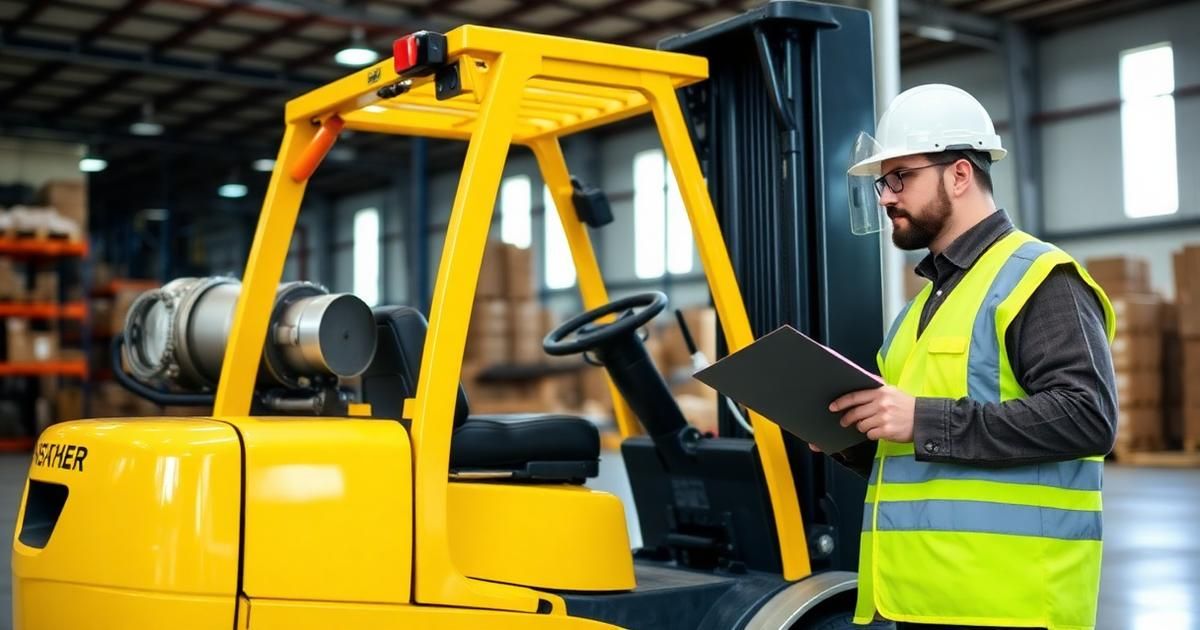
A forklift pre-start checklist is a daily inspection completed before operating a forklift to ensure it is safe to use.
It helps:
- Prevent workplace accidents
- Identify mechanical issues early
- Meet WHS compliance requirements
- Protect operators and nearby workers
👉 In Australia, pre-start checks are part of duty of care under WHS laws and are expected on every shift.
What Should Be Included In a Forklift Pre-Start Checklist?
A complete forklift pre-start checklist covers visual inspections, functional tests, and safety checks.
Visual Inspection
Before Starting the ForkliftCheck for obvious damage or hazards:
- Tyres (wear, pressure, damage)
- Forks (cracks, bends, wear)
- Mast and chains (damage, lubrication)
- Hydraulic hoses (leaks or cracks)
- Overhead guard (structural damage)
- Seatbelt condition
- Fluid leaks under the machine
👉 If anything looks unsafe, do not operate the forklift.
Fluid Levels and Power Source
Ensure Correct Levels- Fuel (diesel, petrol, LPG, or battery charge)
- Engine oil
- Hydraulic fluid
- Coolant
- Battery condition (for electric forklifts)
Functional Checks
Once StartedTest how the forklift operates:
- Brakes (service and handbrake)
- Steering responsiveness
- Accelerator and controls
- Mast lift, tilt, and lowering functions
- Hydraulic responsiveness
👉 Movements should be smooth and controlled — no delays or jerking.
Safety Systems and Warning Devices
Confirm All Working- Horn
- Lights (headlights, warning lights)
- Reverse alarm
- Flashing beacon (if fitted)
Operator Area Checks
Safe Operator Environment- Seat secure and adjustable
- Seatbelt functioning properly
- Dashboard indicators working
- No loose objects in cabin
Documentation and Compliance
Before Operating- Pre-start checklist is completed and recorded
- Any previous faults have been resolved
- Forklift is tagged safe for use
Why Forklift Pre-Start Checks Are Critical
Skipping pre-start checks can lead to:
👉 A simple 5–10 minute check can prevent major incidents on site.
How Often Should a Forklift Pre-Start Checklist Be Completed?
A forklift pre-start checklist should be completed at the start of every shift before the forklift is used.
What Happens If a Fault Is Found?
If an issue is identified:
Summary
A forklift pre-start checklist should include:
👉 The goal is simple: ensure the forklift is safe before it moves.
Related Resources
WHS & Safety Management
Learn how SprintSuite manages safety compliance on site.
WHS Compliance Software Guide
Complete guide to WHS compliance software for mining contractors.
Safe Work Australia — Forklifts
Official safety guidance on forklift operations in Australia.
WHS Laws — Safe Work Australia
Understand your legal obligations under Australian WHS legislation.
Frequently Asked Questions
What is checked before using a forklift?
Before using a forklift, operators must check tyres, forks, hydraulics, brakes, steering, warning devices, and fluid levels to ensure the machine is safe.
Is a forklift pre-start checklist required in Australia?
Yes. Under Work Health and Safety (WHS) laws, operators must ensure equipment is safe before use, which includes completing pre-start inspections.
How long should a forklift pre-start check take?
Most checks take 5–10 minutes, depending on the forklift type and site requirements.
Can you operate a forklift with a fault?
No. If a fault is identified, the forklift must be taken out of service and repaired before use.
Digitise Your Pre-Start Checklists
SprintSuite helps contractors manage safety compliance, pre-start checklists, and equipment inspections digitally — reducing paperwork and keeping your team audit-ready.
Try the paper version of mining safety — then upgrade to something better.
A free, ready-to-use toolkit of hazard reports, pre-start checklists, fatigue templates and toolbox guides — built for Australian mining and heavy industry crews. Perfect for getting compliant fast, but you'll quickly see why teams move to SprintSuite to ditch the paperwork for good.
SprintSuite digitises every form in this toolkit — pre-starts, hazards, fatigue checks and toolbox sign-ons — with photo evidence, GPS, and instant supervisor alerts. No scanning. No lost forms. See the digital version →