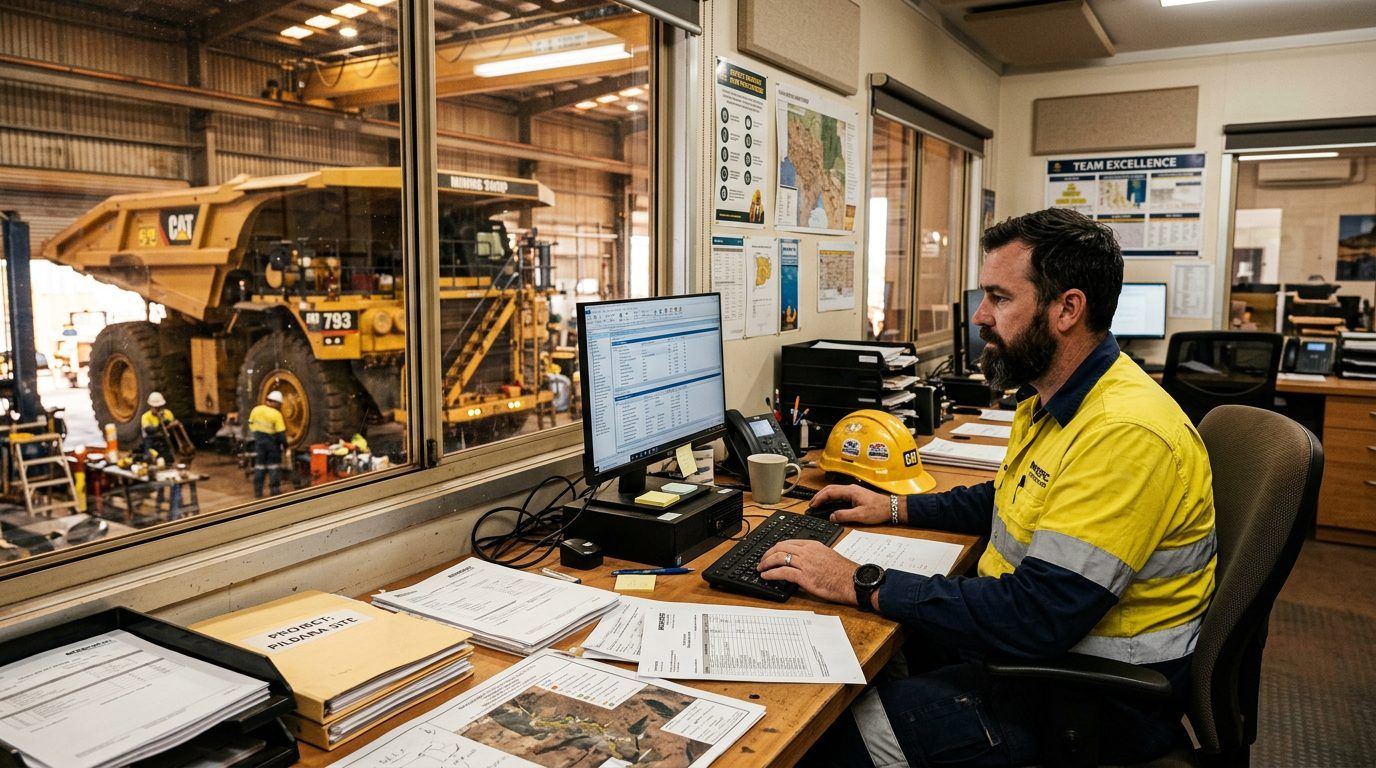
Quick Answer
Smart mining contractors use January to get ahead by:
- Locking in jobs & scopes before crews remobilise
- Rebuilding rosters for the year so February doesn't break them
- Resetting compliance — medicals, inductions and tickets before audits start
- Reviewing numbers from last year to fix margin leaks
- Putting systems in place before growth makes the cracks bigger
For most mining contractors, January isn't about growth targets or big strategy decks. It's the one window of the year where things slow down just enough to get organised before work ramps up again.
Crews are easing back, shutdowns are wrapping up, and admin finally has breathing room. But January isn't just another slow month — it's one of the few chances contractors get each year to pause and get really clear on their business.
Yet even in the mining sector, where projects can cost hundreds of millions or billions, about one in five major projects still runs over budget or behind schedule, and nearly a quarter of companies struggle with fragmented data that makes financial insight difficult. That gap between data and decision-making costs time, money, and clarity — and it underscores why knowing your numbers before the year gets busy is essential.
The contractors who use January well don't magically "work harder" during the year — they remove friction early, so the rest of the year runs smoother.
Why January Is Critical for Contractors
In mining, fabrication, and industrial services, the cost of poor planning compounds fast:
- Missed compliance
- Overbooked crews
- Jobs running late
- Margins disappearing quietly in the background
January is where strong operators reset visibility, clean up systems, and make sure they're not starting the year blind. It's less about forecasting perfection, and more about removing known risks before they turn into problems.
This mindset mirrors what effective yearly planning looks like across the mining industry: aligning people, resources, and systems early so decisions during the year are proactive, not reactive.
Step 1: Get Clear on Jobs Before Crews Hit Site

What actually happens in January:
- Reviewing upcoming contracts
- Locking in confirmed work
- Understanding what's booked vs what's tentative
Where things usually fall apart:
- Jobs tracked across notebooks, spreadsheets, and inboxes
- No clear timeline of what's coming first
- Admin scrambling once work restarts
Strong contractors start the year with one clear view of their jobs — what's approved, what's upcoming, and what resources each job will need. This clarity makes every other decision easier, from scheduling to cash flow.
Step 2: Build Schedules That Won't Break in February
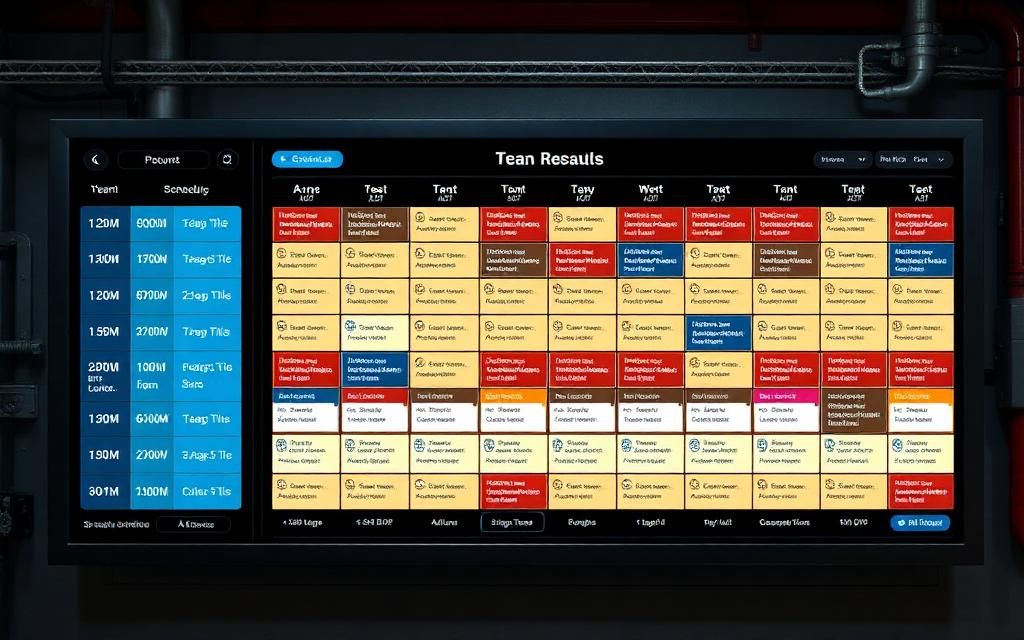
January scheduling isn't about perfection — it's about seeing problems early.
This is when experienced contractors:
- Map crews across jobs
- Factor in leave and shutdown recovery
- Identify clashes before they happen on-site
The common mistake is waiting until work ramps up to fix scheduling issues. By then, everything is reactive — moving people last minute, pushing jobs back, or stretching crews too thin.
When scheduling is done early and centrally, contractors can enter the year knowing:
- Who is where
- When they're needed
- Where pressure points will appear first
Step 3: Reset Compliance Before Audits Start

January is compliance clean-up season — whether people admit it or not.
Smart contractors use this time to:
- Check licences, tickets, and inductions
- Identify upcoming expiries
- Close documentation gaps
The biggest risk isn't failing an audit — it's finding out someone is non-compliant once they're already on site.
By resetting compliance early, contractors reduce the risk of shutdowns, delays, and uncomfortable conversations later in the year. This aligns with broader mining planning principles: identifying risk early and managing it proactively rather than reacting under pressure.
Step 4: Get Honest Visibility on Numbers

January is when contractors ask the questions they don't always like the answers to:
- Which jobs were actually profitable?
- Where did time and money leak?
- Are we pricing work properly?
Too often, this insight lives in someone's head, or gets pieced together weeks later.
High-performing businesses start the year by looking at real data, not gut feel. Job-level visibility helps them:
- Make better pricing decisions
- Identify inefficiencies
- Set realistic expectations for the year ahead
This is where planning stops being theoretical and becomes practical.
Step 5: Set Systems Before the Business Grows

January isn't about adding more work — it's about making existing work easier to run.
Strong operators use this time to:
- Reduce admin bottlenecks
- Simplify workflows
- Make onboarding smoother for new staff
In mining and industrial contracting, growth without systems creates risk. The businesses that scale well are the ones that invest early in structure, visibility, and consistency — before the pressure hits.
The Difference Between a Smooth Year and a Stressful One
By the time February and March arrive, it's too late to "get organised".
The contractors who feel in control mid-year are almost always the ones who:
- Used January to clean up jobs, schedules, and compliance
- Got visibility on numbers early
- Put systems in place before work intensified
Start the Year Strong, Before It Gets Busy
January is the calm before the storm.
Using it well doesn't mean working harder — it means setting yourself up so the year runs smoother, with fewer surprises and less admin drag.
That's what separates businesses that grow steadily from those that constantly feel under pressure.
Ready to Get Organised?
See how contractors use SprintSuite to manage jobs, scheduling, compliance, and reporting — all in one place. Book a demo before the year gets busy.
Book a Demo