What Is a Training Matrix in Mining?
Quick Answer
A training matrix in mining is a system used to track employee skills, licences, certifications, and required training against specific job roles to ensure workers are compliant and safe to perform their tasks.
It provides a clear, real-time view of who is qualified, what training is required, when certifications expire, and where compliance gaps exist. In mining and heavy industry, training matrices are essential for maintaining workplace safety and regulatory compliance.

Why Is a Training Matrix Important in Mining?
A training matrix is important because it helps ensure only competent and compliant workers are assigned to high-risk tasks. Without one, businesses risk:
- Workers operating equipment without valid licences
- Missed training renewals
- Non-compliance with WHS regulations
- Increased likelihood of incidents
📊 According to Safe Work Australia, lack of training and competency is a contributing factor in many workplace incidents, particularly in high-risk industries like mining and construction.
What Does a Training Matrix Include?
A mining training matrix typically includes:
1. Employee Details
- Name and ID
- Role and department
- Site allocation
2. Licences & Certifications
- High-risk work licences (forklift, rigging)
- Confined space and working at heights
- Machinery-specific tickets
3. Training Requirements
- Mandatory role-based training
- Site inductions
- Client-specific compliance
4. Expiry Tracking
- Expiry dates
- Renewal deadlines
- Status (current, expiring, expired)
How Does a Training Matrix Improve Safety?
A training matrix improves safety by ensuring:
- Only qualified workers perform high-risk tasks
- Expired or missing certifications are identified early
- Supervisors can quickly verify workforce competency
This reduces human error, prevents unsafe work practices, and supports safer job allocation on site.
How Is a Training Matrix Used in Mining?
In mining operations, a training matrix is used to:
- Verify worker competency before site access
- Allocate jobs based on qualifications
- Prepare for audits and compliance checks
- Monitor workforce readiness across multiple sites
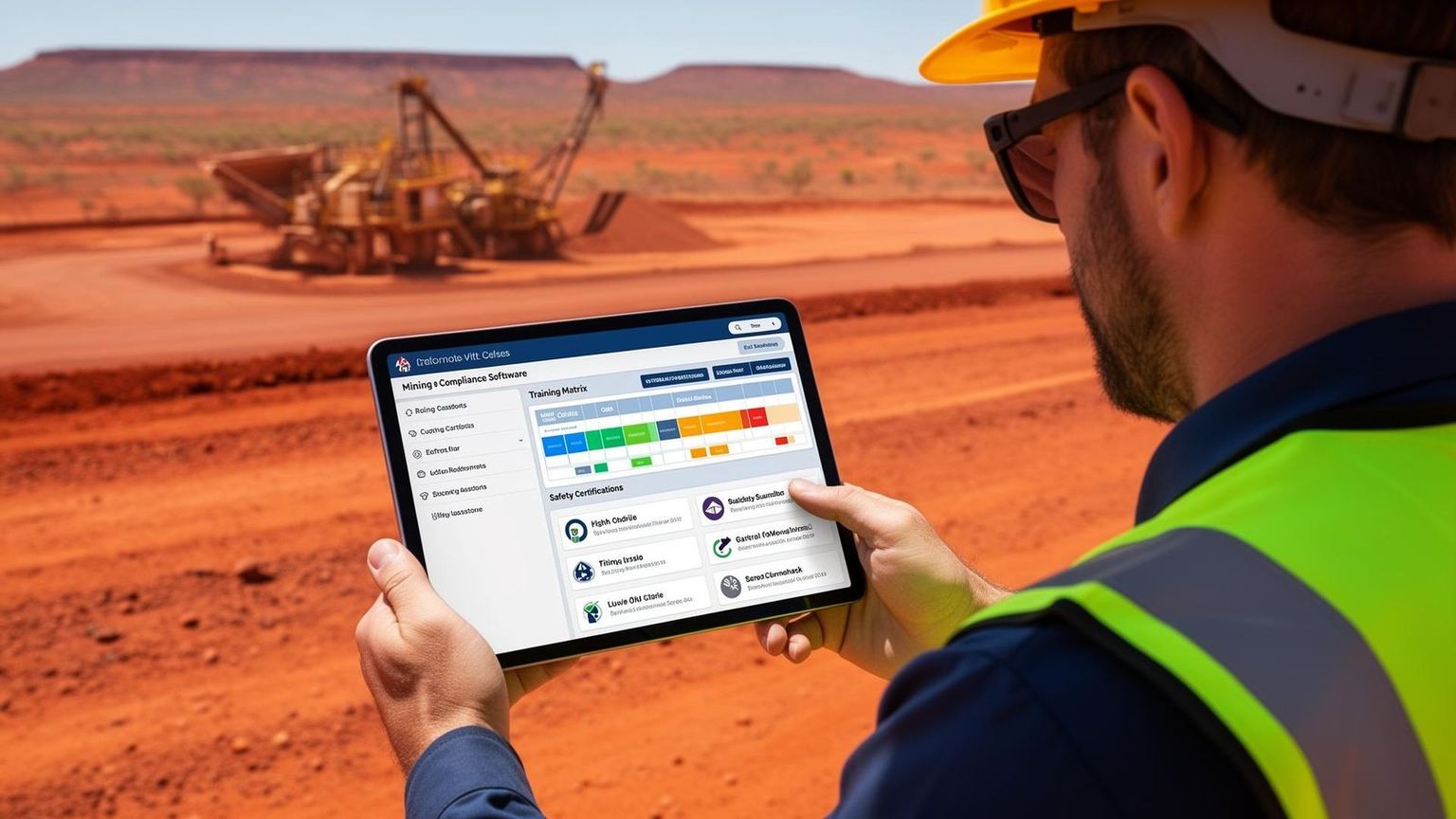
Modern mining companies use digital systems to manage training matrices in real time, rather than relying on spreadsheets.
What Happens If a Training Matrix Is Not Maintained?
Failing to maintain a training matrix can lead to:
- Non-compliance with WHS laws
- Site shutdowns or penalties
- Loss of contracts with Tier 1 mining companies
- Increased safety incidents
In mining, even a single compliance gap can have serious operational and financial consequences.
The Bottom Line
A training matrix is one of the most important compliance tools in mining. It ensures your workforce is qualified, your certifications are current, and your business is audit-ready. Moving from spreadsheets to a digital system gives you real-time visibility and reduces risk.
Still Managing Training in Spreadsheets?
A digital training matrix gives you real-time visibility over workforce compliance — so you can reduce risk, stay compliant, and keep your sites running safely.
Frequently Asked Questions
Related Articles
Try the paper version of mining safety — then upgrade to something better.
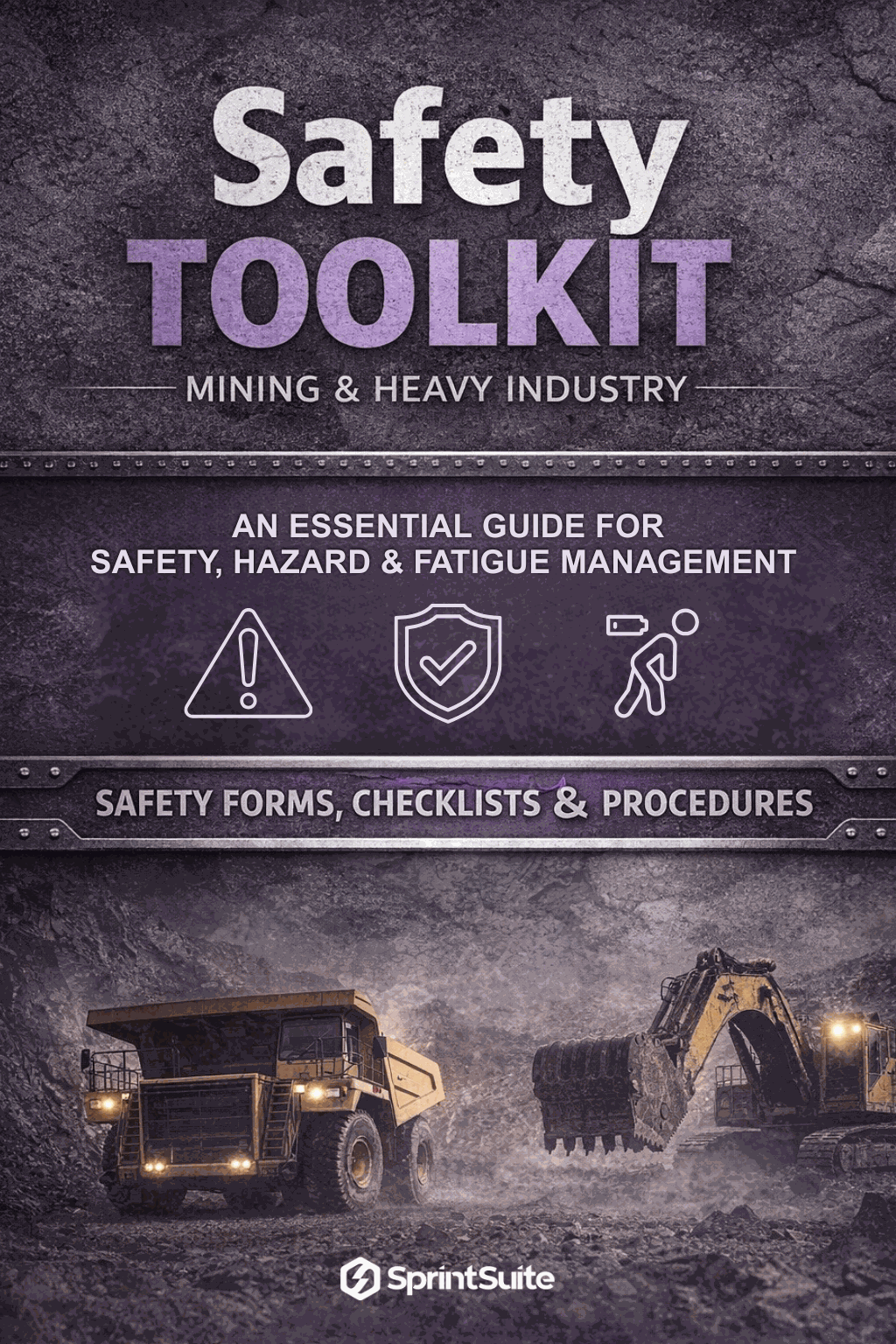
A free, ready-to-use toolkit of hazard reports, pre-start checklists, fatigue templates and toolbox guides — built for Australian mining and heavy industry crews. Perfect for getting compliant fast, but you'll quickly see why teams move to SprintSuite to ditch the paperwork for good.
SprintSuite digitises every form in this toolkit — pre-starts, hazards, fatigue checks and toolbox sign-ons — with photo evidence, GPS, and instant supervisor alerts. No scanning. No lost forms. See the digital version →