Quick Answer
Working respectfully across cultures in mining and heavy industry improves safety, communication and retention. Practical steps include:
- Use plain English and avoid Australian-only slang in toolbox talks
- Acknowledge Country and respect Indigenous cultural protocols on site
- Build cultural awareness into inductions, not just Harmony Week
- Treat respect as a WHS control — psychological safety is now a legal duty
- Make reporting safe and confidential for incidents of disrespect or racism
Diversity Is the Reality of Modern Mining
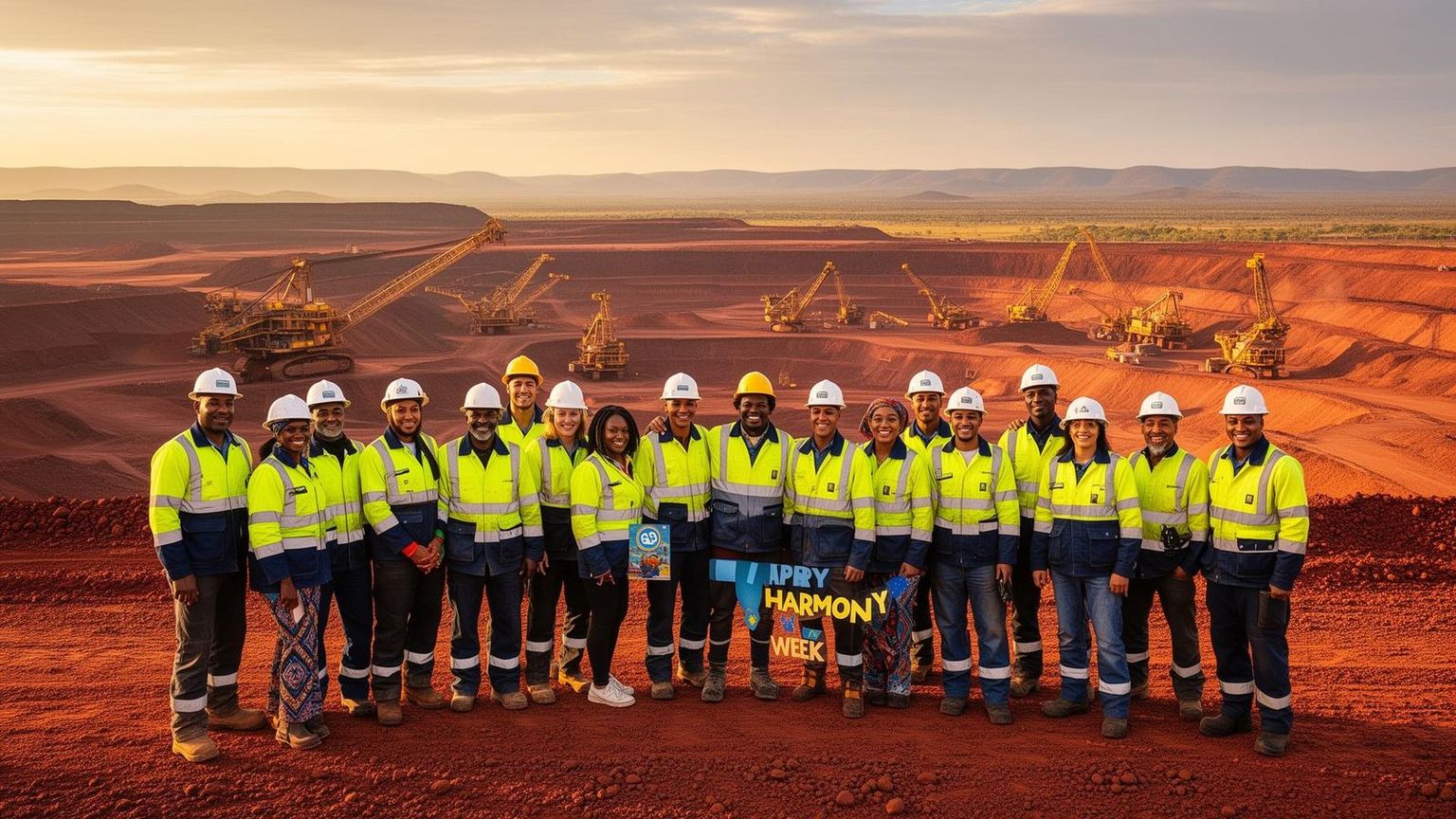
Australia's resources sector draws talent from across the country and the world. International tradespeople, project engineers, apprentices, planners and professionals contribute significantly to site operations. Many teams also include Aboriginal and Torres Strait Islander workers, whose connection to Country carries deep cultural importance in mining environments.
~7%
of the mining workforce identify as Aboriginal or Torres Strait Islander
~10%
of all mining apprentices and trainees are Indigenous Australians
~16%
of mining workers come from Asian, Pacific Islander and other cultural backgrounds
Mining remains majority White overall — but workforce demographics are slowly evolving, reflecting the impact of migration and targeted inclusion programs.
Why Cultural Respect Directly Impacts Safety
In mining and heavy industry, miscommunication can have serious consequences. Instructions misunderstood. Hazards not reported. Concerns left unspoken. Jokes that silence rather than include.
Safety culture depends on psychological safety — the confidence that someone can speak up without embarrassment, ridicule or exclusion.
When workers feel respected, they:
- ✓Ask questions when unsure
- ✓Confirm instructions before starting work
- ✓Report hazards promptly
- ✓Contribute ideas
- ✓Look out for each other
When they don't, gaps quietly widen.
What "Working Respectfully Across Cultures" Actually Means
Working respectfully across cultures does not mean becoming an expert in every tradition or background. Rather, it means cultivating three core habits:
Awareness
Recognising that communication styles, non-verbal cues, and feedback approaches vary culturally
Curiosity
Being open to learning about different perspectives and experiences
Professional Respect
Treating everyone with dignity regardless of background, accent, or culture
Practical Ways to Work Respectfully on Site
1. Use Clear, Direct Communication
Mining sites are often filled with industry jargon and slang. While this can build camaraderie, too much colloquial language can create barriers.
- ✓Avoid heavy slang in instructions
- ✓Confirm understanding rather than assume it
- ✓Encourage questions warmly and without judgement
- ✓Repeat critical safety information more than once if needed
If someone asks for clarification, that's not a weakness — it's a safety strength.
2. Don't Make Assumptions
Assumptions can erode respect quickly. Avoid assumptions about:
Skill level based on accent
Intelligence based on language fluency
Work ethic based on cultural background
Gender roles in trade environments
Age and authority perception
High-performing mining teams judge performance on performance — not perception.
3. Be Mindful of Humour
Humour is a big part of many crews — and often a strength. But jokes about race, culture, religion, gender or accents can:
- ✗Isolate team members
- ✗Reduce psychological safety
- ✗Create compliance risk
- ✗Undermine leadership credibility
Even if no harm was intended, the impact matters. Professionalism doesn't eliminate camaraderie — it strengthens it.
4. Respect Cultural and Religious Practices
In diverse crews, colleagues may observe:
Daily prayer or reflection times
Religious fasting (e.g., Ramadan)
Dietary requirements
Cultural holidays or mourning practices
Small considerations — like scheduling awareness and inclusive meal options — can make a meaningful difference. Mining operates on tight schedules, but inclusion doesn't require operational compromise — it requires awareness and respectful dialogue.
5. Include Everyone in Conversations
On high-performing sites, every voice counts. Leaders and supervisors can:
- ✓Invite input from quieter team members
- ✓Rotate who speaks during toolbox talks
- ✓Check in privately with new or isolated workers
- ✓Ensure safety briefings are accessible and understood by all
Inclusion improves engagement — engagement improves safety and productivity.
6. Address Disrespect Early
Disrespect rarely starts with major incidents. It often begins subtly — dismissive comments, exclusion from informal conversations, repeated mockery of an accent, micro-jokes that cut deeper than intended.
If left unchecked, these behaviours grow and corrode culture. Supervisors and leaders set the tone. Address inappropriate behaviour early to protect team cohesion and reinforce standards.
Respectful workplaces aren't born — they're built and nurtured.
Cultural Respect and Indigenous Engagement
In Australian mining, cultural respect also means acknowledging the importance of working on traditional lands. Many operations exist on or near Country with deep cultural heritage. Respect includes:
Understanding cultural heritage obligations
Respecting engagement processes with Traditional Owners
Acknowledging Country where appropriate
Supporting Indigenous employment, training and pathways
Traditional Owners and Indigenous groups are not merely stakeholders — they are partners in genuine social and economic outcomes.
Leadership's Role in Setting the Standard
Culture is shaped from the top. When leaders:
- ✓Model inclusive language
- ✓Demonstrate curiosity rather than judgement
- ✓Correct inappropriate behaviour calmly
- ✓Celebrate diversity during initiatives like Harmony Week
...they send a clear signal about expectations. Team members mirror what they see. A culturally respectful workplace doesn't dilute operational standards — it strengthens them.
The Business Case for Cultural Respect
Beyond safety, respectful workplaces deliver measurable benefits:
Higher retention rates
Stronger team cohesion
Reduced conflict
Enhanced productivity
Better reputation with partners and clients
Alignment with ESG goals
Improved attraction of emerging talent
In competitive labour markets like the Pilbara and Bowen Basin, reputation matters. Employers known for inclusive, respectful environments attract — and keep — better talent.
Harmony Week: More Than a Calendar Event
Harmony Week is an opportunity to reflect — but respectful culture shouldn't be confined to a week in March.
Real respect shows up:
- →At pre-starts
- →In toolbox discussions
- →In onboarding processes
- →In performance conversations
- →Every interaction, every day
In industries where lives depend on communication, that matters.
Final Thoughts
Mining and heavy industry are built on teamwork, precision and trust. Working respectfully across cultures strengthens all three.
It ensures:
- ✓Instructions are understood
- ✓Hazards are reported
- ✓Ideas are shared
- ✓Teams function cohesively
- ✓Workers feel physically and psychologically safe
Diversity is already part of modern mining. Respect ensures it becomes a strategic strength — not a risk.
Harmony Week reminds us that everyone belongs — but the real work happens every day, across every shift, in every crew.
Respect is more than a value — it's operational excellence.
Free Download: Harmony Week Toolbox Talk Kit
Everything you need to run a meaningful Harmony Week session with your crew — ready to print and use on site.
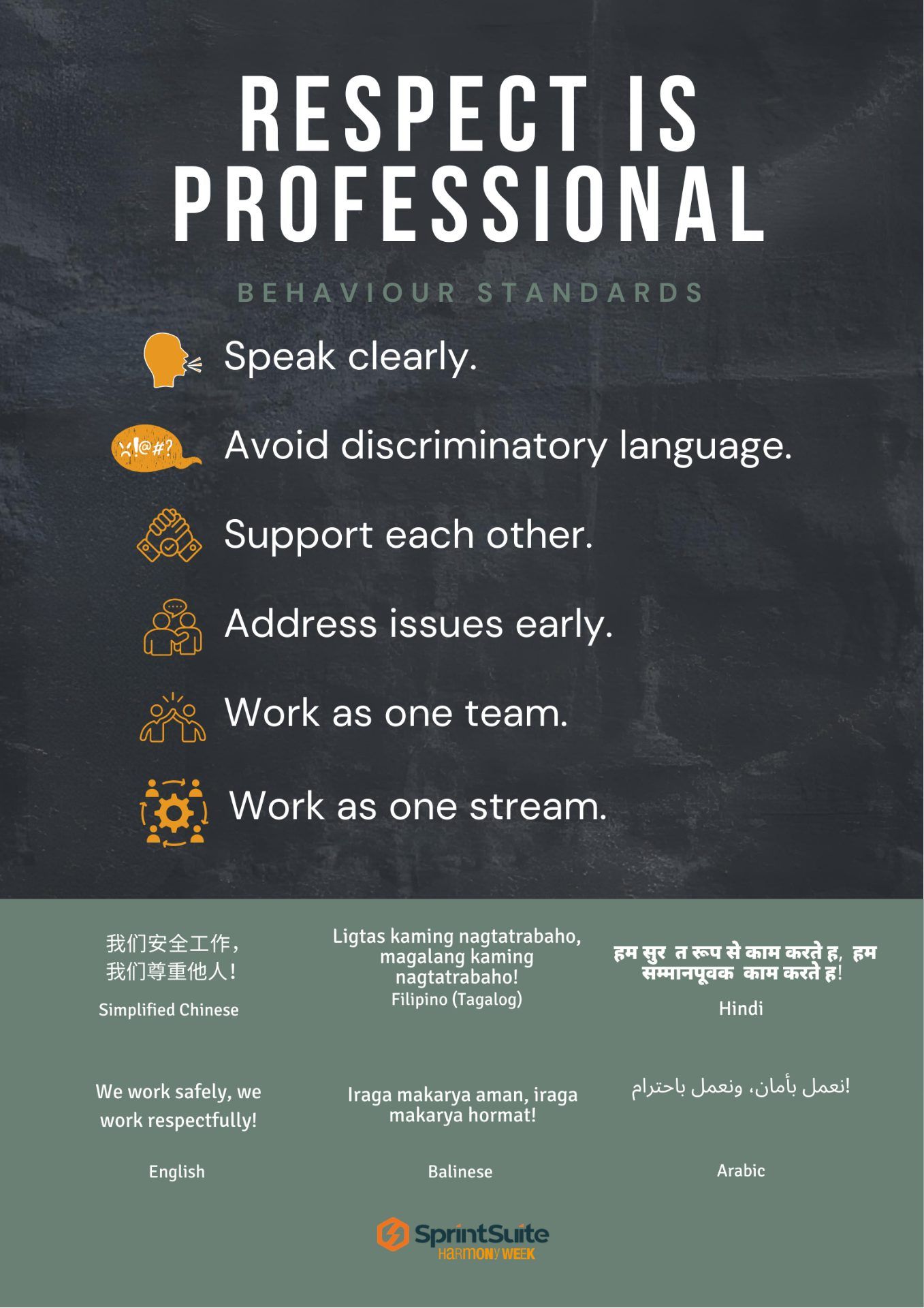
What's inside the kit:
- ✓Printable Site Posters — Harmony Week awareness posters designed for crib rooms, noticeboards and site offices
- ✓Toolbox Talk Template — A step-by-step guide to run your own cultural respect toolbox talk — includes talking points, discussion prompts and crew reflection questions
- ✓Quick-Reference Safety Tie-Ins — How cultural awareness connects directly to safety outcomes on site
- ✓Facilitator Tips — Practical advice for supervisors and leaders running the session for the first time