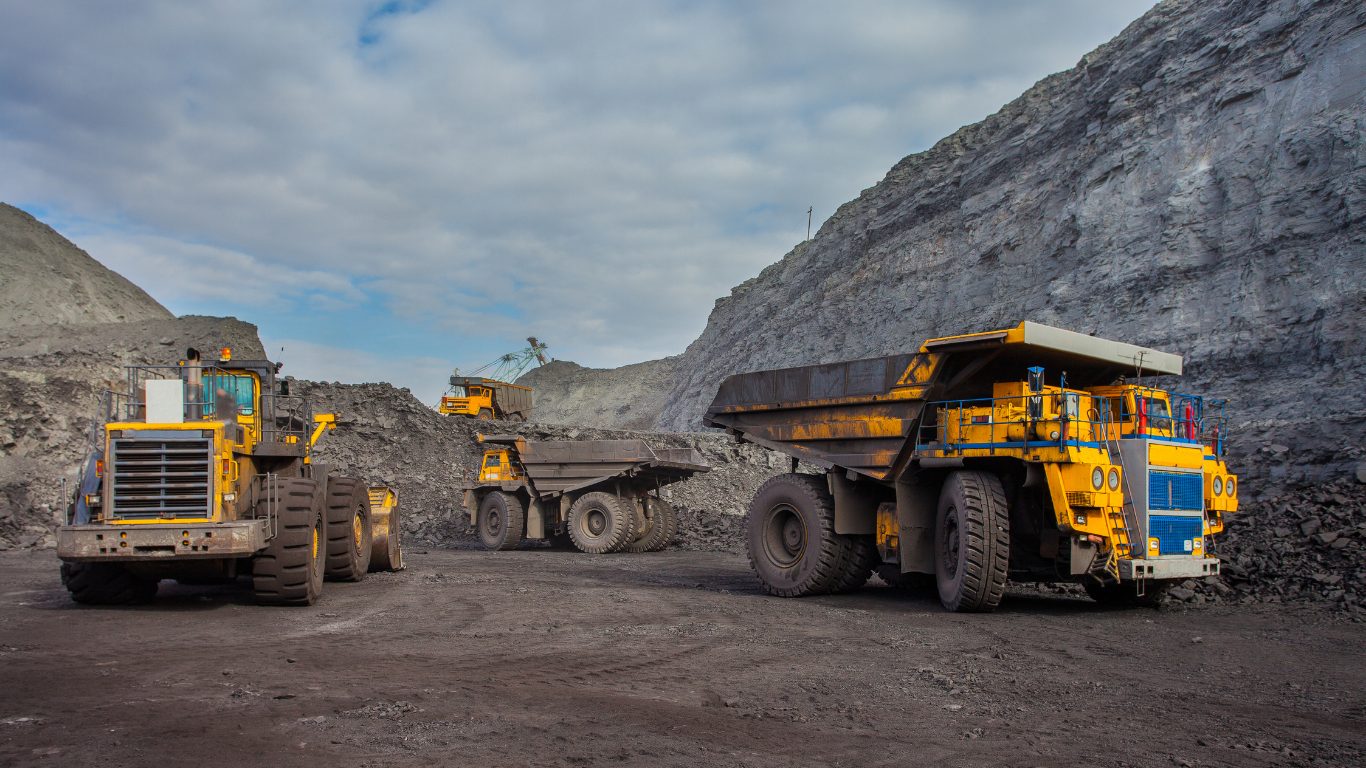
What does it mean to feel safe speaking up at work?
Psychological safety means workers can raise concerns, challenge decisions and discuss potential risks without anticipating punishment or humiliation simply for speaking up. It does not mean avoiding accountability, disagreement or difficult conversations. It requires trusted reporting processes and fair responses, giving people good reason to believe they will be heard and treated respectfully.
Safe2Say's insights highlight a gap between a policy on paper and trust in practice. Workers judge safety culture through management behaviour: who gets heard, how uncomfortable issues are handled and whether speaking up has consequences. Knowing a reporting channel exists is not the same as feeling able to use it. It sits alongside the physical controls covered in our guide to safety in mining in Australia.
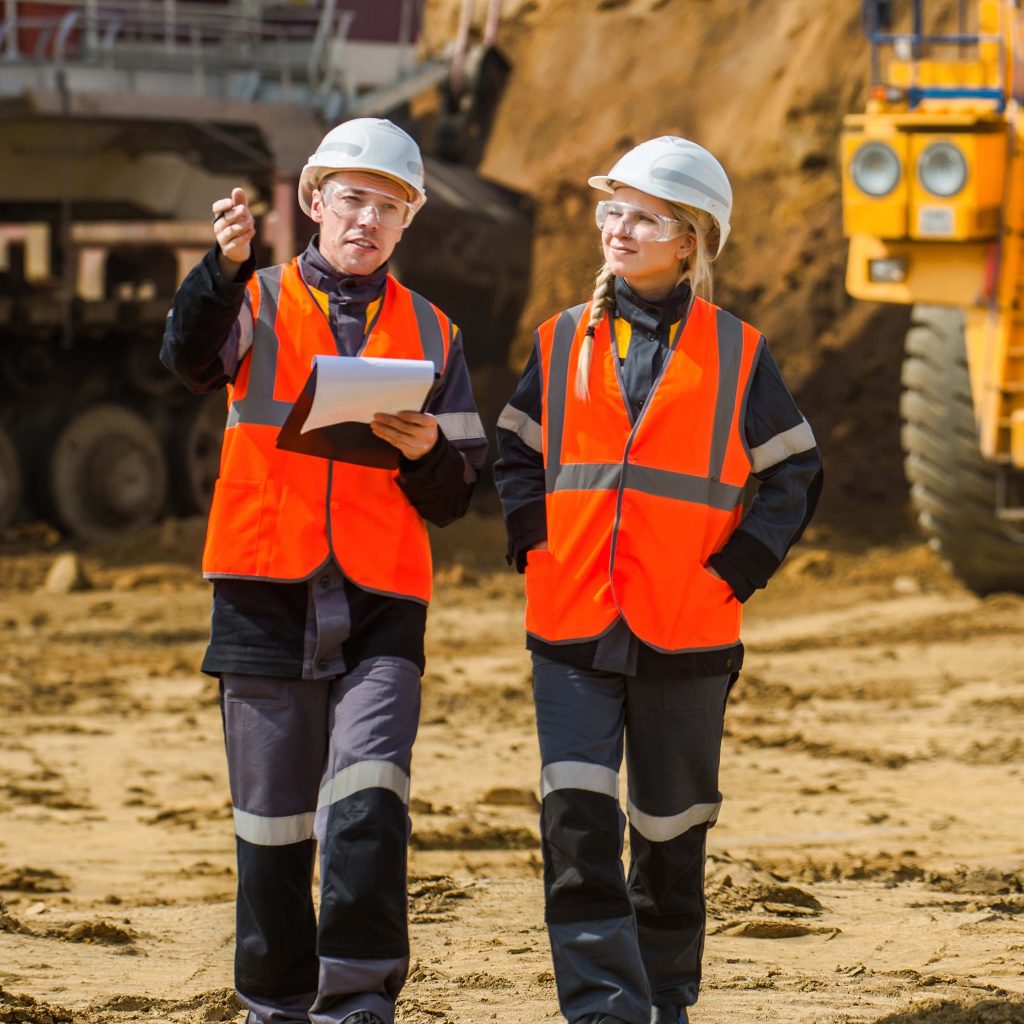
Why don't workers report safety concerns?
Workers may stay silent because reporting feels riskier than saying nothing, not because they accept unsafe practices. Safe2Say points to the potential personal cost of speaking up as one of the biggest barriers, along with doubts that reporting will achieve anything and uncertainty about what to report and to whom. Tap a barrier to see a practical response.
‘Retaliation is not always as obvious as dismissal or demotion.’
— Safe2Say
Safe2Say notes that workers may fear losing favourable shifts, being excluded from opportunities, receiving poorer performance assessments or becoming isolated from colleagues, and that a promise of non-retaliation is only the starting point.
Why is speaking up harder on remote mining and FIFO sites?
Remote work can make professional relationships inseparable from daily life. Long rosters, shared accommodation and close team dynamics may leave little privacy. Supervisors can influence assignments and career opportunities; contractors may be uncertain about future work. Reporting arrangements also need to work after hours, not only when an office is open.
Many operations work hard to create supportive environments. These barriers do not exist at every mine, but they deserve explicit consideration alongside workplace fatigue management and the mental health support available to FIFO workers.
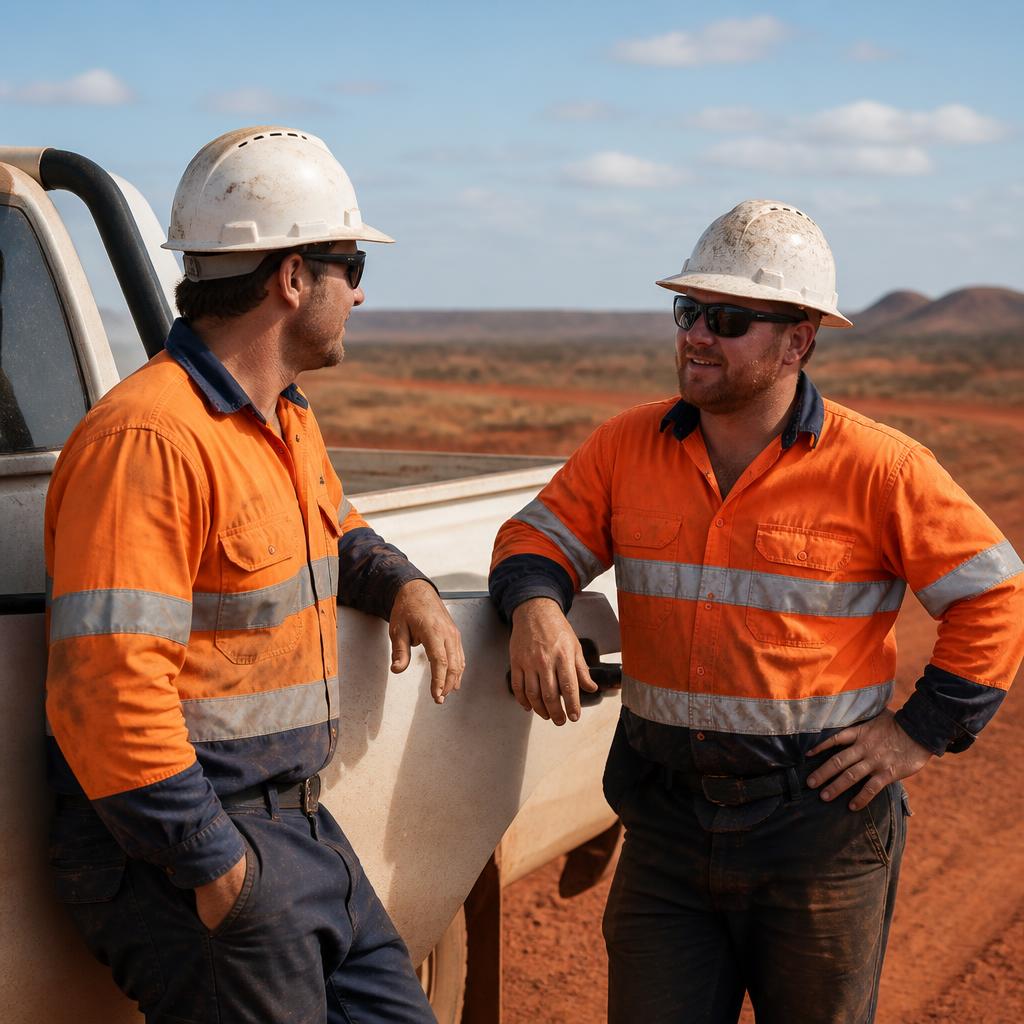
The concern doesn't always end when the shift does
Consider this scenario — hypothetical, not a documented incident
A FIFO worker witnesses inappropriate behaviour by a supervisor. They hesitate because that supervisor controls future shifts and they must keep living alongside the same team for the rest of the roster.
During the shift
Power relationships may make challenging behaviour difficult.
In accommodation
Shared spaces can make private conversations harder.
On future rosters
Workers may worry about losing shifts or opportunities.
What would this worker most likely do on your site?
Pick the option that feels most realistic. Your choice isn't saved or sent anywhere.
What is the difference between a speak-up policy and a speak-up culture?
A policy makes reporting possible. A culture gives workers reason to trust the response. Switch between the two to compare.
- Reporting is technically possible.
- Managers promise confidentiality.
- Few complaints are assumed to mean success.
- Workers receive little communication.
‘The difference is often found in what happens when somebody raises an uncomfortable issue.’
— Safe2Say
Psychological safety does not mean accepting every allegation as true. Fairness is required for everyone involved: taking a concern seriously means assessing it objectively, not deciding the outcome before understanding the information.
What are the warning signs that workers don't trust reporting processes?
Look for a mismatch between private feedback and formal reports. Safe2Say also points to concerns repeatedly emerging through exit interviews, little confidence that complaints will be handled fairly, supervisors reacting defensively to questions, workers believing reporting will damage their careers, and managers who rarely receive difficult feedback.
‘Importantly, a low number of complaints is not necessarily evidence of a healthy culture.’
— Safe2Say
Low volumes may mean low incidence or low trust. Rising reports may reflect greater confidence rather than deteriorating conditions. Review confidential surveys, worker feedback, recurring themes, reporting patterns and management responses together over time. The same thinking applies to tracking hazard reports on mine sites: one number cannot explain the culture.
What should happen after a worker reports a concern?
A report should trigger a proportionate, fair response that considers immediate risks and the people involved. Safe2Say recommends respectful communication, objective assessment and active protection against retaliation. Step through the process below.
Step 1 of 6
Assess immediate risks
Consider health, safety and wellbeing first, including whether urgent protective action is needed.
- Assess immediate risks: Consider health, safety and wellbeing first, including whether urgent protective action is needed.
- Acknowledge the concern: Explain the next steps and likely process when communication with the reporter is possible.
- Assess objectively: Handle information fairly and confidentially, without prejudging the people involved.
- Manage retaliation risks: Consider shifts, opportunities, assessments and relationships, not only the risk of dismissal.
- Provide appropriate updates: Communicate within privacy and investigation limitations; do not promise unrestricted disclosure.
- Look beyond the individual report: Consider whether recurring concerns reveal broader organisational risks requiring controls.
‘Receiving a report should be the beginning of a process, not the end of it.’
— Safe2Say
Reports need different responses and are not all substantiated. Explain what can be shared, avoid unrealistic promises and check whether protective measures themselves disadvantage the person who raised the concern.
What responsibilities do employers have for psychosocial safety?
Work-related psychological health and safety is an employer responsibility, not just an individual wellbeing issue. Bullying, harassment and harmful workplace behaviours can create psychosocial risks requiring effective controls.
Under the model WHS framework, a person conducting a business or undertaking must ensure health and safety so far as is reasonably practicable, including psychological health. Duties include managing risks and consulting affected workers as required. See Safe Work Australia's psychological health and WHS duties guidance and duties of a PCBU.
Model laws are not identical laws nationwide. Victoria uses its own OHS framework, and mining-specific regimes also differ. WorkSafe Victoria provides guidance on managing reports of psychosocial hazards and incidents. Check the current rules for your jurisdiction and operations. This overview is not legal advice. For the wider compliance picture, see our guide to WHS compliance for mining contractors.
Can anonymous reporting help workers feel safer speaking up?
An independent or anonymous option can reduce barriers, particularly when a concern involves someone in the normal reporting chain. Employees should not have to raise a concern through the person who worries them.
Safe2Say offers independent, two-way anonymous reporting, allowing people to raise concerns they might otherwise hesitate to disclose. Workers still need to understand how information is handled and what happens next. Avoid promises of absolute anonymity or guaranteed outcomes.
‘The value of a reporting channel depends not only on whether people can use it, but also on whether they trust what happens afterwards.’
— Safe2Say
‘Technology does not replace good leadership, fair investigations or effective management of psychosocial hazards.’
— Safe2Say
Safe2Say contributes expert insights to this article; no technical integration, commercial partnership or endorsement with SprintSuite is implied.
Would your workers feel comfortable reporting a concern?
Use these questions to start a discussion with supervisors, contractors and workers across shifts. Nothing you tick is saved or sent anywhere.
0 of 6 practices in place
Conversation prompts for the gaps
- Ask three workers on different crews where they would report a concern, and compare the answers.
- Map an alternative pathway for concerns involving a supervisor or manager.
- Test whether night shift, contractors and FIFO crews can actually reach each channel.
- Run a short session with supervisors on receiving concerns calmly and respectfully.
- Review how retaliation risks, including subtle ones like lost shifts, are monitored after a report.
- Agree what follow-up a worker can expect and how quickly they will hear back.
This is a practical conversation starter, not a formal psychosocial risk assessment. For physical safety checks, see how to create a safety checklist for field workers.
Three ways mining and engineering businesses can improve speak-up culture
Safe2Say's three recommended actions focus on trust, usable options and fair responses.
‘These three actions reinforce each other.’
— Safe2Say

01Ask about trust, not just awareness
Ask workers what they expect would happen after reporting. A confidential discussion or survey can reveal concerns that a policy acknowledgement misses.
02Make reporting fit the workforce
Check access for contractors, remote crews and night shifts, and cover reporting options during site inductions. Consider independent or anonymous pathways where appropriate, especially when the usual contact is involved.
03Demonstrate fair responses
Train managers to listen respectfully, explain next steps and address retaliation risks. Appropriate communication shows that concerns are not simply disappearing into a process.
Frequently asked questions
A safer workplace starts with trust
A speak-up culture removes barriers, makes reporting genuinely accessible and responds fairly. Physical and psychological safety both deserve serious attention, especially for mining contractors managing remote teams. The goal is not a perfect complaint count: it is giving workers good reason to believe they will be heard and treated fairly.
‘A safe workplace is not simply one where employees are told they can speak up. It is one where they have good reason to believe they will be heard and treated fairly when they do.’
— Safe2Say
This article was developed as part of SprintSuite's Safe Work Month series, featuring expert insights provided by Safe2Say.
More from Safe Work Month
Safety in Mining Australia
WHS frameworks, workplace risks and contractor safety.
Mental health support with TIACS
Support for people working in mining and heavy industry.
Fatigue management strategies
Practical approaches to fatigue and safer work.
Tracking hazard reports
How mine sites capture and follow up hazards.
Managing site inductions
Getting new workers site-ready, including reporting options.
Free mining safety toolkit
Templates and checklists for contractor safety.