1. Productivity is no longer just about getting more work done
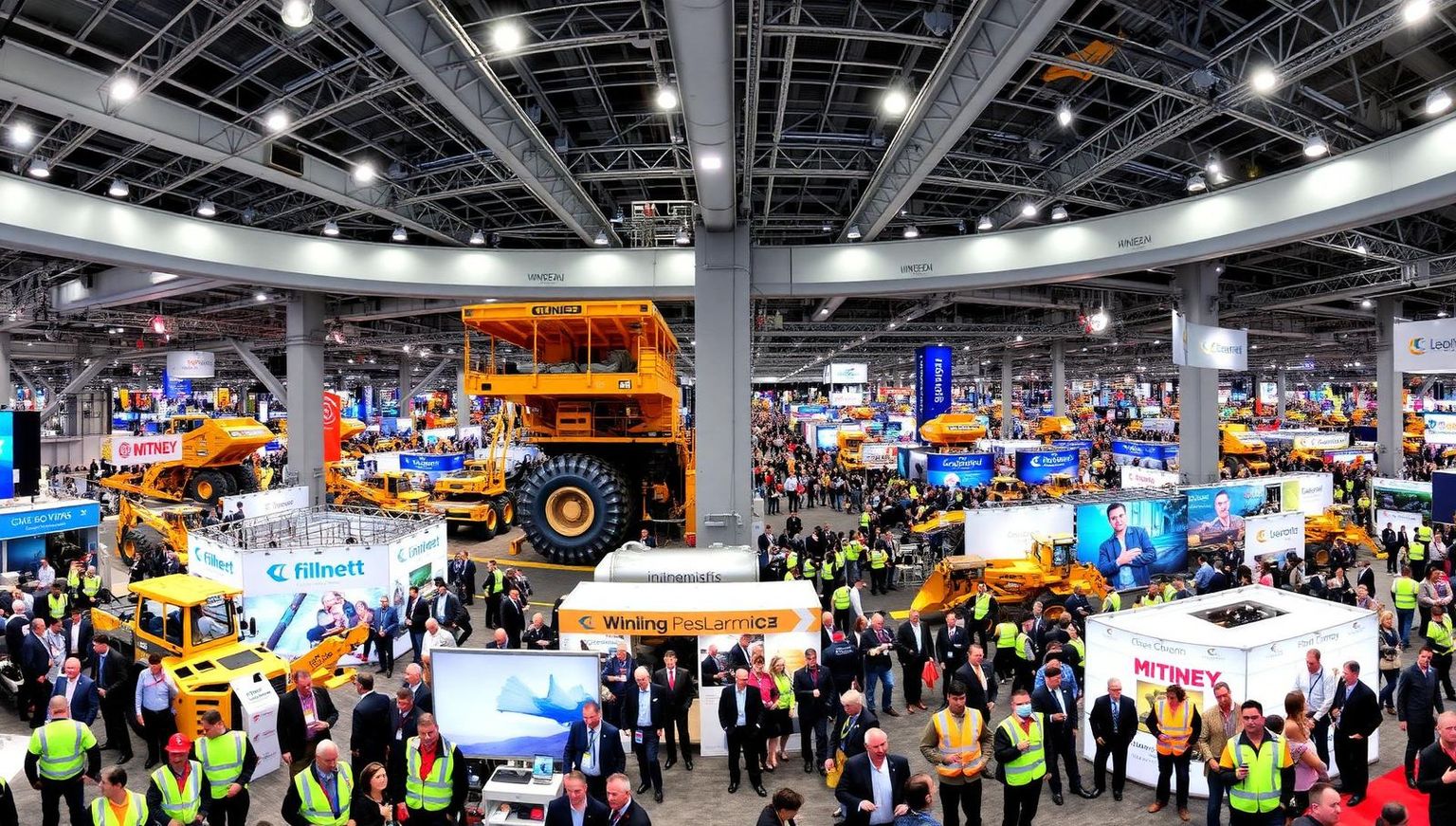
One of the strongest themes at IMARC was the industry's focus on achieving greater productivity without simply increasing costs, headcount or equipment.
With operational costs under pressure, mining companies are looking more closely at how effectively their existing resources are being used.
For contractors, this creates an important distinction between being busy and being productive.
A fully booked workshop doesn't necessarily mean jobs are being completed efficiently. Similarly, having technicians working across multiple sites doesn't automatically translate into profitable utilisation.
Delays, duplicated administration, missing job information and disconnected workflows can all impact the bottom line.
What this means for contractors
Businesses need clearer visibility over where time and resources are being spent, including:
- Job progress and scheduling across worksites
- Labour allocation and technician availability
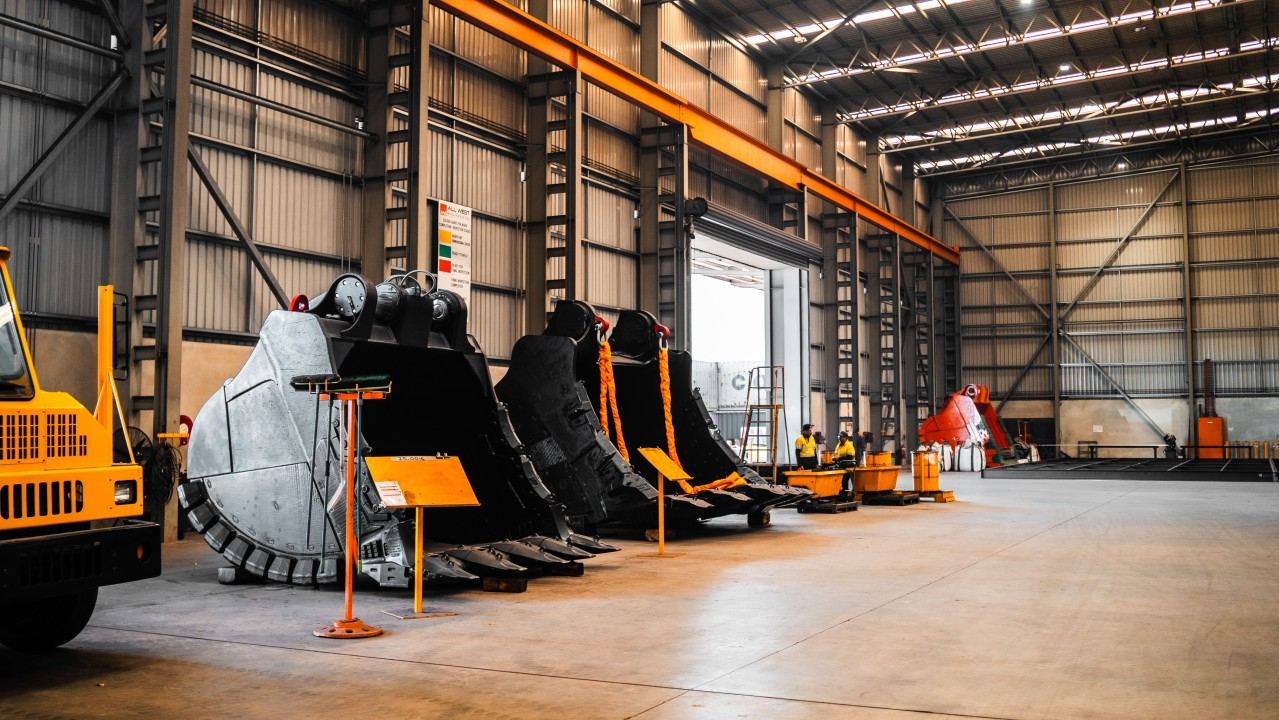
- Equipment maintenance and workshop capacity
- Unbilled work and outstanding approvals
- Actual job costs compared with estimates
Improving productivity doesn't always require more people or equipment. Sometimes, it starts with understanding where existing resources are being lost.
2. AI is advancing, but operational foundations still matter
Artificial intelligence was a major topic at IMARC 2026, with mining companies exploring its potential to improve planning, decision-making, safety and operational performance.
But one of the most important messages came from BHP.
Speaking at the conference, BHP Chief Enterprise Performance Officer Edgar Basto cautioned that applying advanced technology to ineffective processes could simply accelerate poor outcomes.
It's a useful reminder for contractors navigating an increasingly crowded market of AI tools and automation platforms.
Before adopting more technology, businesses need to consider whether their existing processes are working effectively.
If job information is scattered across spreadsheets, timesheets are still being chased manually or workshop updates aren't being recorded consistently, automation alone won't solve the underlying problem.
Source: IMARC’s report of Edgar Basto’s remarks, 28 October 2026. The remarks above are paraphrased, not a direct quotation.
What this means for contractors
Start by strengthening the fundamentals:
- Standardise job management and reporting processes
- Make information accessible between the field, workshop and office
- Reduce unnecessary manual data entry
- Improve the accuracy of operational records
- Identify repetitive administrative tasks that could be automated
The businesses best positioned to benefit from AI may not be those adopting the most tools, but those with reliable data and consistent processes already in place.
3. Workforce capability will remain a competitive advantage
Technology might be transforming mining, but people remain central to delivering the work.
At IMARC, discussions around the next generation of mining professionals highlighted the changing skills required across the industry.
As digital systems, automation and AI become more common, workers will increasingly need to combine technical expertise with the ability to use information and technology effectively.
For contractors, this matters across every part of the business.
Experienced tradespeople and technicians remain essential, particularly in specialised maintenance, engineering and heavy equipment operations. But the systems supporting those workers also influence how efficiently they can perform their jobs.
What this means for contractors
Businesses should consider how they can better support their existing workforce through:
- More accessible job instructions and documentation
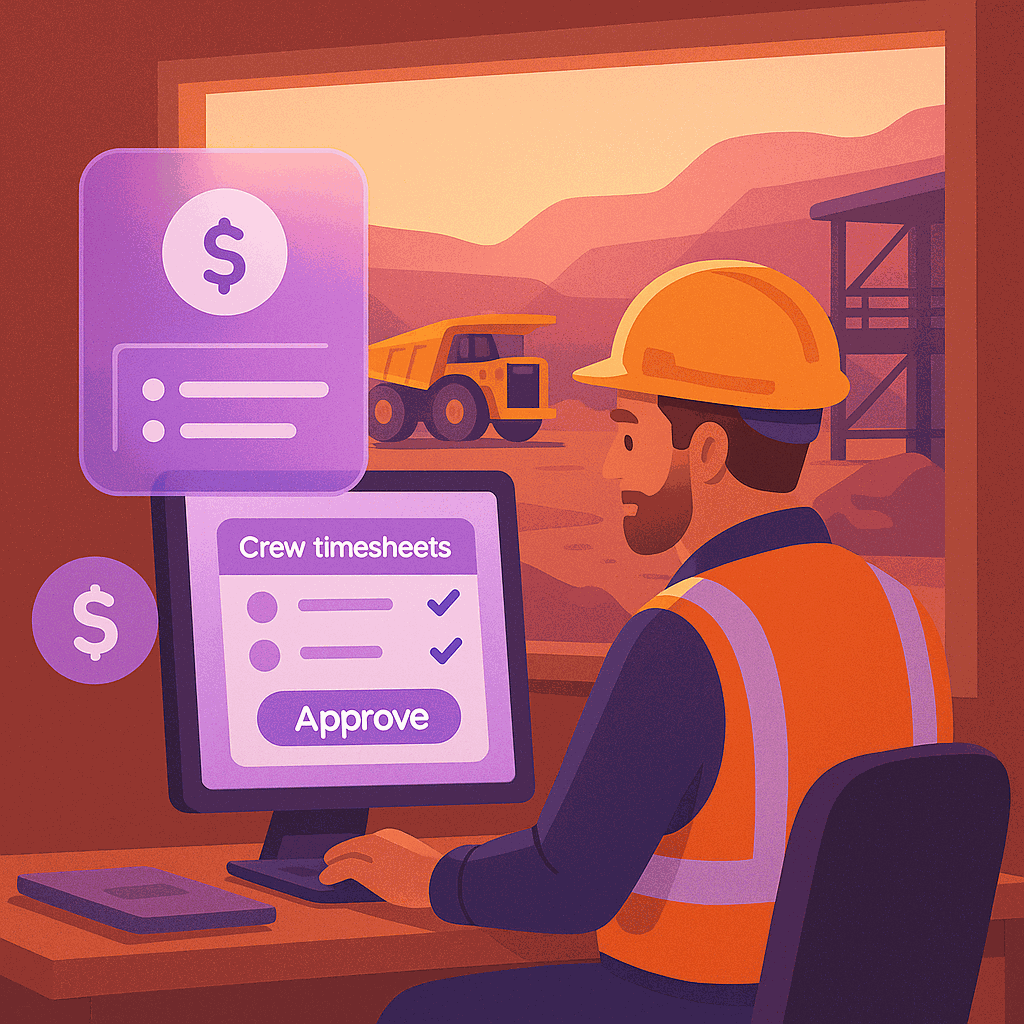
- Easier ways to record time and completed work
- Clearer communication between supervisors and field teams
- Better visibility of qualifications, competencies and compliance requirements
- Stronger training and development pathways for apprentices and emerging workers
Attracting skilled workers is only part of the challenge. Creating an environment where they can work effectively, safely and continue developing is just as important.
4. Operational visibility is becoming essential
One of the recurring themes around mining technology was the importance of connected information.
Mining operations are increasingly using data to understand asset performance, anticipate disruptions and make more informed decisions.
For contractors, the same principle applies on a different scale.
When scheduling, timesheets, workshop activity, purchasing and invoicing are managed separately, understanding what's happening across the business becomes unnecessarily difficult.
A supervisor might know a job has been completed, but the office may still be waiting on timesheets. A workshop may have equipment ready for collection, while the person responsible for invoicing hasn't received the final job details.
These small gaps create delays, extra administration and missed opportunities to improve performance.
What this means for contractors
Connected operational information can help businesses:
- Identify delays before they affect delivery
- Understand which jobs are progressing or falling behind
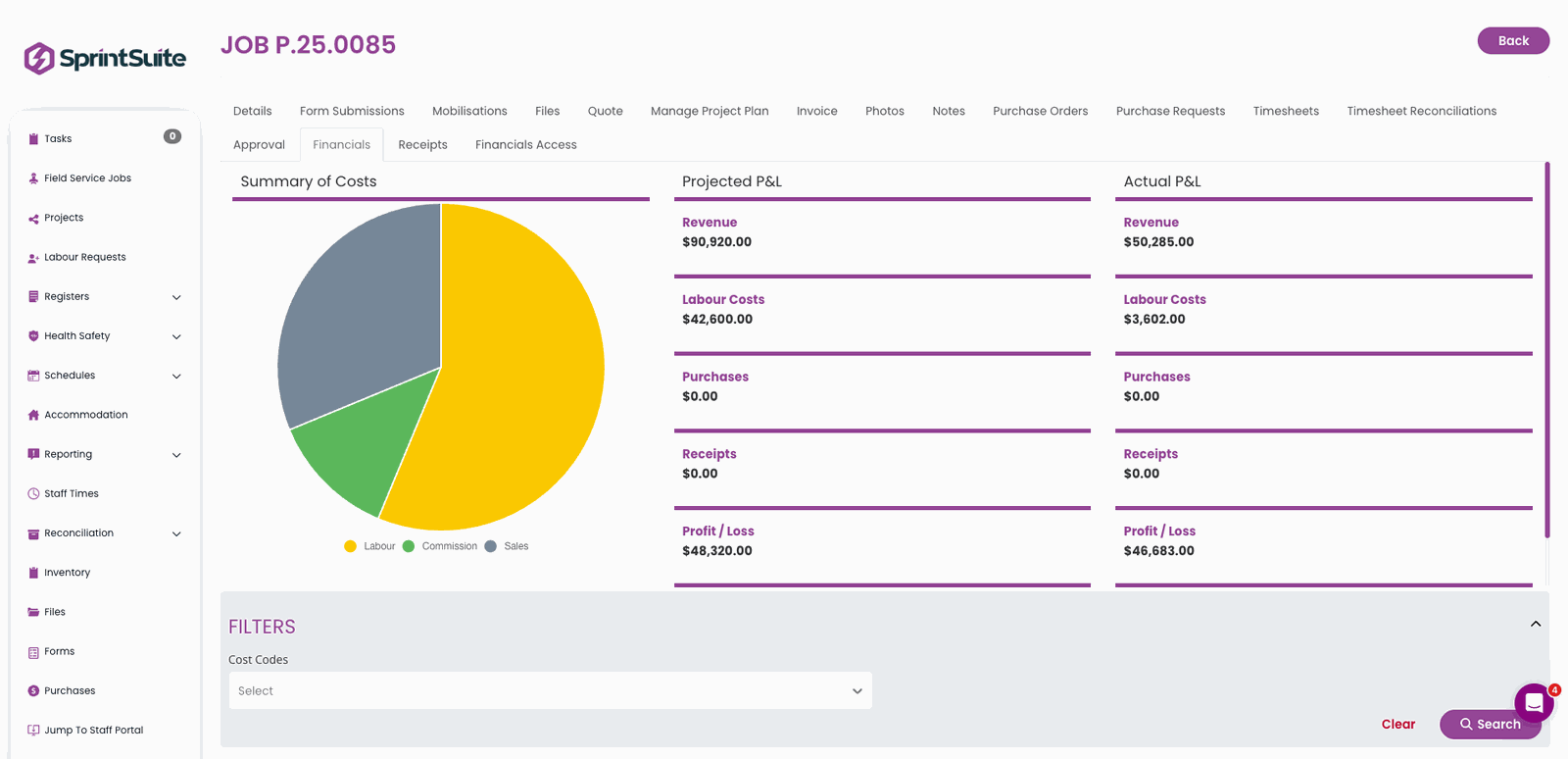
- Track labour and material costs more accurately
- Improve communication between teams
- Reduce the time between completing work and issuing invoices
For businesses operating across multiple sites, workshops or regional locations, having a reliable picture of what's happening is increasingly important.
5. Safety and compliance need to be part of everyday operations
Safety remained a central consideration throughout IMARC, particularly as technology creates new opportunities to reduce worker exposure to high-risk environments.
However, technology is only one part of maintaining safer operations.
For contractors working on mine sites and industrial facilities, safety and compliance depend on the consistency of everyday processes.
This includes maintaining accurate records, ensuring workers have the right competencies, communicating requirements and keeping information accessible when it matters.
As mining operations continue to pursue better performance, contractors should also expect ongoing scrutiny of how work is managed and documented.
What this means for contractors
Rather than treating compliance as a separate administrative responsibility, businesses can benefit from incorporating it into their operational workflows.
That might include:
- Keeping employee qualifications and licences up to date
- Maintaining consistent job and maintenance records
- Making relevant safety documentation accessible to workers
- Recording work completed and associated approvals
- Improving visibility of outstanding compliance requirements
The goal is to make safe, compliant work easier to manage and demonstrate, without creating unnecessary administration for field teams.
Software can support record-keeping and visibility; it does not replace site authorisations, competent supervision or employer safety obligations.
6. Supply chain resilience creates opportunities for capable contractors
Critical minerals, supply chain security and new project investment were major themes at IMARC 2026.
With governments and mining companies focused on strengthening resource supply chains, attention is turning towards how projects can be developed, delivered and supported reliably.
For Australia's mining services sector, this presents potential opportunities.
New and expanding operations require more than mining equipment and infrastructure. They also depend on maintenance providers, engineering specialists, shutdown contractors, equipment workshops and other supporting businesses.
But opportunities won't necessarily translate into work for every contractor.
Businesses seeking to support larger projects need to demonstrate that they can deliver consistently, manage resources effectively and respond to changing operational requirements.
What this means for contractors
Contractors preparing for future growth should focus on building scalable operations.
That means having the processes and systems to manage increasing job volumes, additional workers, multiple projects and more complex customer requirements without losing operational control.
The ability to grow without adding the same amount of administrative overhead could become an increasingly valuable competitive advantage.
What should mining contractors be focusing on in 2027?
If there was one overarching message to take from IMARC 2026, it was that the mining industry’s next phase will depend on turning ambitious strategies into practical, measurable improvements.
For contractors, this doesn’t necessarily mean investing in the latest emerging technology or completely overhauling existing operations. It means getting the fundamentals right.
Understanding where time is being lost. Improving communication between the field, workshop and office. Giving teams access to accurate information. Reducing unnecessary administration. And creating processes that can support the business as it grows.
These are practical changes that can make a significant difference to productivity, profitability and service delivery.
As the industry continues to evolve, contractors who can demonstrate efficiency, reliability and operational control will be better positioned to respond to new opportunities.
Turning industry insights into everyday improvements
At SprintSuite, we work with mining, engineering and heavy industry contractors to help connect their day-to-day operations, from scheduling and job management through to timesheets, purchasing and invoicing.
Because while industry conversations often focus on the future of mining, meaningful operational improvements start with how work gets done today.
Want to see where your business could be losing time to administration?
Explore the SprintSuite ROI Calculator to estimate the potential value of reducing manual processes across your operations. Results are illustrative estimates based on your inputs and calculator assumptions, not guaranteed savings.
Explore the ROI Calculator