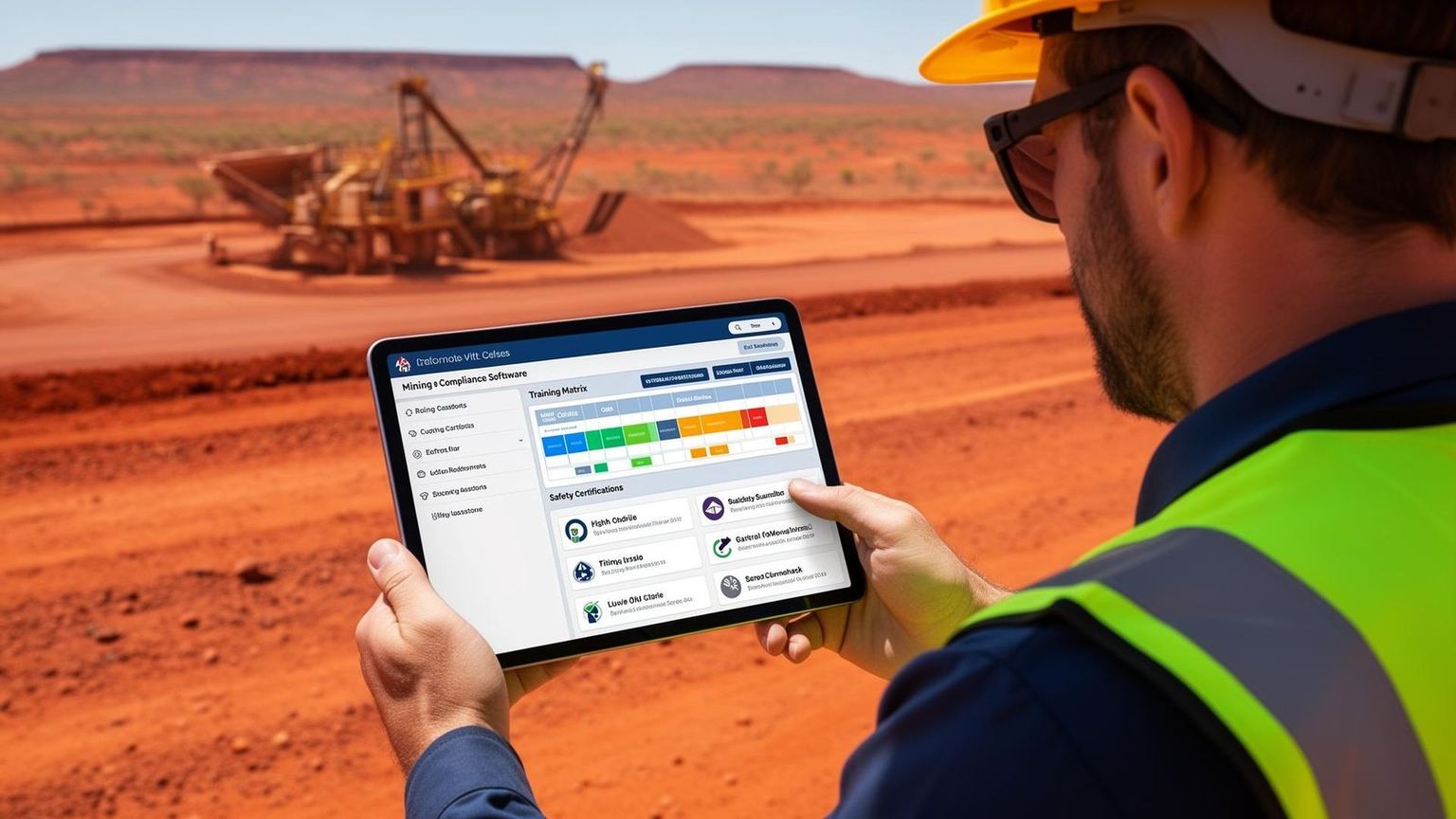
Why Is a Training Matrix Important for Compliance?
Quick Answer
A training matrix is important for compliance because it ensures all employees have the required skills, certifications, and training to meet legal, safety, and site-specific requirements. It provides a clear, real-time view of who is compliant, what training is required, when certifications expire, and where gaps exist.
How Does a Training Matrix Support Compliance?
A training matrix supports compliance by aligning workforce capabilities with:
- WHS (Work Health and Safety) regulations
- Industry standards
- Client and Tier 1 contractor requirements
It allows businesses to:
- Verify worker competency before job allocation
- Ensure mandatory training is completed
- Maintain accurate records for audits and inspections
Why Is Compliance Critical in Mining and High-Risk Industries?
Compliance is critical because failure to meet requirements can result in:
- Serious workplace incidents
- Legal penalties and fines
- Site shutdowns
- Loss of contracts with major clients
📊 According to Safe Work Australia, non-compliance with safety procedures and inadequate training are key contributors to workplace injuries and fatalities in high-risk industries.
What Risks Does a Training Matrix Help Prevent?
A training matrix helps prevent:
- Workers performing tasks without proper qualifications
- Expired licences or certifications going unnoticed
- Gaps in mandatory training
- Non-compliance during audits
By identifying these issues early, businesses can take action before they become serious problems.
How Does a Training Matrix Help with Audits?
A training matrix makes audits faster and easier by providing:
- Centralised records of all training and certifications
- Proof of compliance for each worker
- Clear documentation of expiry dates and renewals
Instead of searching through paperwork or spreadsheets, businesses can instantly demonstrate compliance to regulators or clients.

Can a Training Matrix Improve Operational Efficiency?
Yes. A training matrix improves efficiency by ensuring:
- The right workers are assigned to the right jobs
- Supervisors can quickly check compliance status
- Less time is spent manually tracking training
This leads to smoother operations and fewer disruptions caused by compliance issues.
What Happens If You Don't Have a Training Matrix?
Without a training matrix, businesses may face:
- Increased risk of non-compliance
- Missed training renewals
- Safety incidents caused by unqualified workers
- Failed audits or loss of site access
In industries like mining, this can directly impact your ability to operate and win work.
What Is the Best Way to Manage a Training Matrix?
The best way to manage a training matrix is through a digital compliance system that offers:
- Real-time tracking of training and certifications
- Automated alerts for expiring tickets
- Role-based training requirements
- Centralised document storage
This ensures compliance is proactively managed, not reactively fixed.
The Bottom Line
A training matrix is one of the most effective tools for maintaining compliance in mining and high-risk industries. It ensures your workforce is qualified, your records are audit-ready, and your operations stay safe and uninterrupted.
Compliance Shouldn't Be a Guessing Game
With a digital training matrix, you can track every certification, flag risks early, and ensure your workforce is always compliant.
Frequently Asked Questions
Related Articles
Try the paper version of mining safety — then upgrade to something better.
A free, ready-to-use toolkit of hazard reports, pre-start checklists, fatigue templates and toolbox guides — built for Australian mining and heavy industry crews. Perfect for getting compliant fast, but you'll quickly see why teams move to SprintSuite to ditch the paperwork for good.
SprintSuite digitises every form in this toolkit — pre-starts, hazards, fatigue checks and toolbox sign-ons — with photo evidence, GPS, and instant supervisor alerts. No scanning. No lost forms. See the digital version →