Quick Answer
BMA (BHP Mitsubishi Alliance) contractors operating in the Bowen Basin must:
- Pass BMA-specific inductions and site access requirements at Goonyella, Peak Downs, Saraji, Daunia, Caval Ridge, Broadmeadow and Blackwater
- Hold current Coal Board Medicals, Standard 11 and trade tickets
- Manage workforce mobilisation, rosters and fatigue against BMA's contractor standards
- Provide auditable compliance evidence — competencies, inspections, pre-starts and incident reports
Becoming a contractor for BHP Mitsubishi Alliance (BMA) is a major opportunity for businesses operating in the Bowen Basin. With large-scale operations across Central Queensland and a strong presence around Mackay, BMA sets a high bar for safety, compliance, and operational readiness.
Whether you're a civil contractor, electrical business, mechanical crew, or specialist service provider, understanding what BMA expects — and how to prepare — is critical if you want to win work and stay on site long-term.
This guide breaks down how to become a BMA contractor in the Bowen Basin, what compliance requirements you'll face, and how local contractors set themselves up for success.
Who Is BMA and Why Contractors Want In
BMA is Australia's largest coal producer and a joint venture between BHP and Mitsubishi. Their Bowen Basin operations support thousands of contractors across:
- Mining and shutdown services
- Maintenance and mechanical trades
- Electrical and instrumentation
- Civil and earthworks
- Labour hire and specialist services
For Mackay-based contractors, working with BMA often means longer-term contracts, repeat work, and higher compliance standards than smaller operators.
Tier 1 Standards
BMA operates to Tier 1 standards, which means contractors must demonstrate strong safety systems, ongoing compliance, and the ability to mobilise reliably across mine sites.
Step 1: Make Sure Your Business Is "Tier 1 Ready"
Before contacting BMA or responding to tenders, your business needs to be operationally ready.
At a minimum, you should have:
If your compliance is informal or scattered across spreadsheets and emails, this is where many contractors get stuck early.
Step 2: Register as a Supplier or Contractor
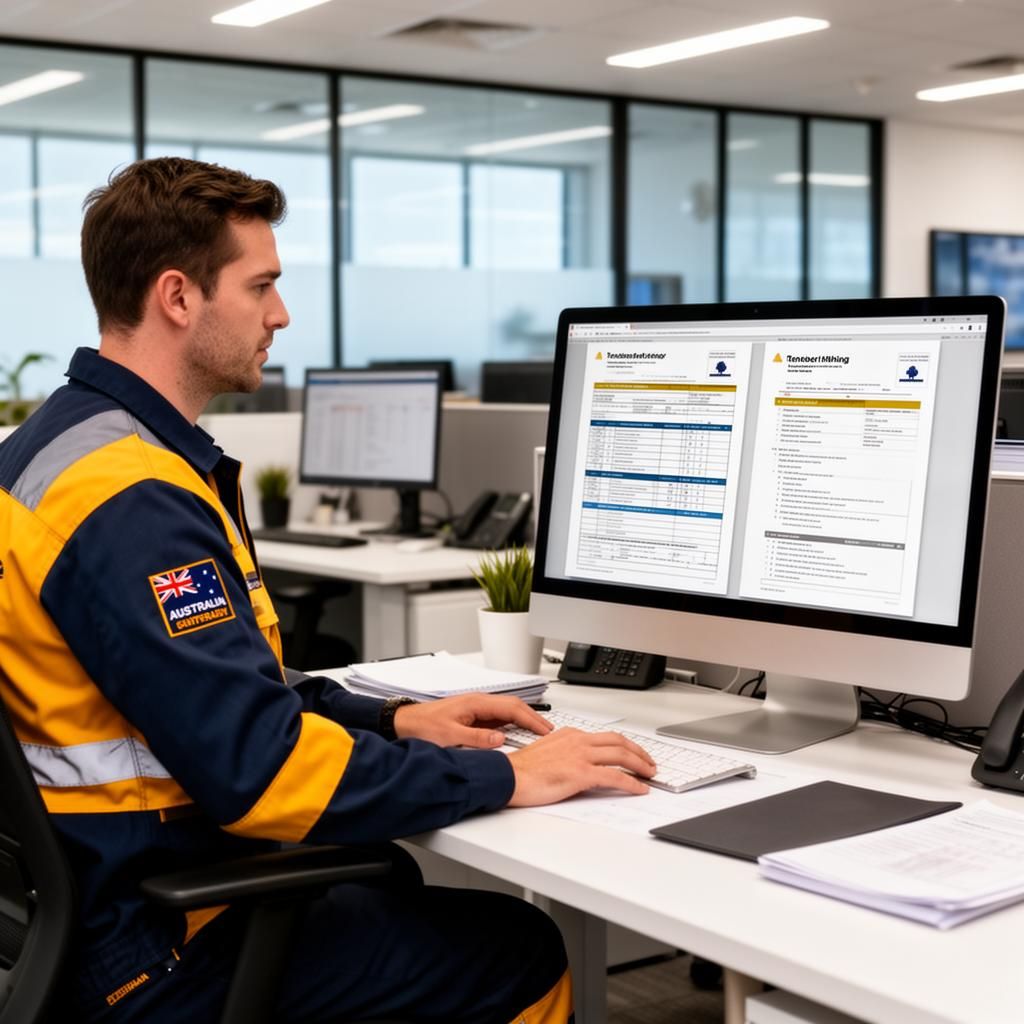
BMA does not usually accept casual enquiries for work. Most contractors enter the ecosystem through formal supplier and contractor registration processes.
Typical pathways include:
- Registering through BHP/BMA supplier portals
- Being engaged by a principal contractor already working on BMA sites
- Responding to open tenders or Expressions of Interest (EOIs)
This stage often requires you to submit:
- Company capability statements
- Safety and compliance documentation
- Proof of insurances
- Past project experience
Common Pitfall
Incomplete or outdated compliance documentation is one of the most common reasons registrations stall.
Step 3: Watch for Tenders, EOIs & Contract Opportunities
Once registered (or working under a principal contractor), opportunities usually come via:
- Formal tenders or EOIs issued by BMA or head contractors
- Invitations to quote for shutdowns or scoped works
- Prequalification panels for ongoing services
Tender submissions typically assess:
- Safety performance and systems
- Compliance management approach
- Workforce capability and availability
Step 4: Complete Contractor Prequalification & Compliance Reviews
Before any work starts, BMA will require contractors to pass prequalification checks.
This usually includes:
At this point, BMA is looking for proof, not promises.
Contractors need to demonstrate:
- Who is qualified for which roles
- That licences, inductions, and tickets are current
- That systems exist to prevent non-compliant workers from being sent to site
This is where many contractors realise their admin systems aren't built for Tier 1 expectations.

Tier-1 Readiness Checklist
Are you ready to work with BMA and other Tier-1 operators in the Bowen Basin? Complete this quick checklist to assess your compliance readiness.
Step 5: Complete Site-Specific Inductions & Mobilisation
Once approved, workers must complete:
- BMA site inductions
- Role-specific training
- Site access requirements
- Medical and fitness-for-work checks
Mobilisation Must Be Controlled
Sending the wrong person to site — even accidentally — can damage contractor credibility fast. Successful contractors use systems that only assign compliant workers to jobs and prevent expired tickets from slipping through.

Step 6: Stay Audit-Ready After You're On Site
Winning work with BMA is only the beginning.
Contractors are routinely assessed through:
- Ongoing audits
- Safety observations
- Incident investigations
- Performance reviews
Compliance doesn't stop after onboarding. In fact, this is where long-term contractors differentiate themselves.
Those who retain work with BMA:
- Maintain real-time compliance visibility
- Track expiries automatically
- Keep safety and workforce data up to date
- Can produce audit evidence quickly, without panic
Common Mistakes Mackay Contractors Make with BMA
Some of the most common issues include:
These aren't capability problems — they're system problems.
Why Many BMA Contractors Use Mining Compliance Software
To meet Tier 1 expectations, many Mackay contractors adopt mining-specific compliance software to support their operations.
The right system helps contractors:
Instead of reacting to compliance demands, contractors can operate proactively — which aligns with how BMA expects contractors to work.
Building a Business That Tier 1 Operators Trust
Becoming a BMA contractor is less about a single application and more about building a business that Tier 1 operators trust.
If you can show that your business:
You significantly improve your chances of winning — and keeping — work with BMA.
Ready to Strengthen Your BMA Compliance?
If you're a Mackay or Bowen Basin contractor preparing to tender, onboard, or scale with Tier 1 operators like BMA, SprintSuite helps you manage workforce compliance, safety, and operational visibility in one platform — built specifically for mining and heavy industry.
Book a Demo