Quick Answer
The Rottnest Foundation is an independent registered charity that raises funds and encourages community involvement in environmental, cultural and heritage projects on Wadjemup / Rottnest Island. Its supported initiatives include quokka monitoring, woodland and coastal restoration, walking trails, heritage conservation and visitor education.
- An independent, not-for-profit registered charity supporting Wadjemup / Rottnest Island since 1985
- Raises funds and encourages community and corporate involvement
- Supports quokka monitoring and remote monitoring cameras
- Backs woodland and coastal habitat restoration
- Funds walking trails, Aboriginal cultural projects and heritage conservation
- Not the same organisation as the Rottnest Island Authority
For many people, Rottnest Island is inseparable from its quokkas. But protecting the island means looking beyond one species.
Quokkas depend on healthy habitat. Visitors depend on safe and sustainable access. The island’s environmental, Aboriginal, colonial and military histories require careful recognition and conservation.
The Rottnest Foundation helps direct funding and community support towards this wider picture.
What is the Rottnest Foundation?
The Rottnest Foundation is an independent, not-for-profit registered charity that has supported conservation on Wadjemup / Rottnest Island since 1985. It is endorsed by the Australian Government as an environmental organisation and is managed by a voluntary Board of Management.
The Foundation describes its vision as conserving and enhancing the island’s unique environmental, cultural and heritage assets. It develops relationships, raises funds and encourages individuals, volunteers, businesses and philanthropic organisations to support projects that contribute to the island’s long-term sustainability.
According to the Foundation, it has raised more than $4 million for conservation initiatives over 40 years.
Learn more on the Foundation’s official About Us and Our Impact pages.
Is the Rottnest Foundation the same as the Rottnest Island Authority?
No. The Rottnest Foundation and the Rottnest Island Authority are separate organisations with connected roles.
The Rottnest Foundation is an independent charity focused on fundraising, partnerships and community participation. The Rottnest Island Authority is the statutory body responsible for the care, control and management of the island.
The Foundation works in partnership with the Authority, corporate supporters and funders to help deliver projects of environmental, cultural or heritage importance.
This relationship allows the Foundation to connect community and corporate support with priorities identified for Wadjemup.
How does the Rottnest Foundation help quokkas?
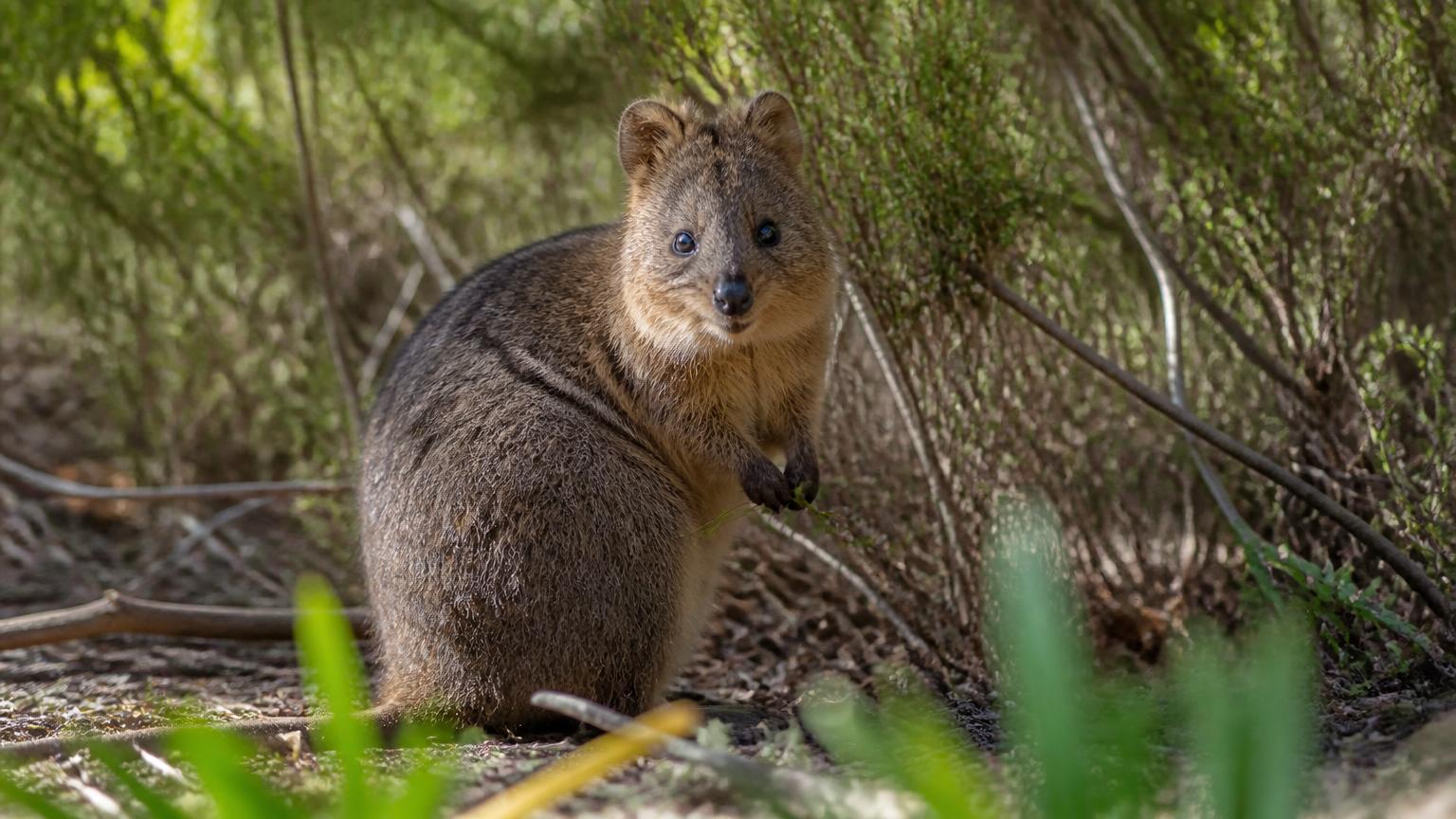
The Foundation supports ongoing research into the health and habitat of the quokka, the only mammal native to Rottnest Island.
The Rottnest Island Authority’s Quokka Monitoring Program uses four key indicators to assess population health:
- tail circumference
- weight
- weaning rates
- relative abundance
Remote monitoring cameras also help researchers observe larger areas of the island over time. The Foundation reports that a specialised fundraising initiative supported the purchase of 12 additional cameras for continuous monitoring.
Monitoring matters because a large visible population does not remove the need for conservation. Quokkas are classified as a vulnerable species — see why quokkas are vulnerable — and Rottnest Island supports the world’s largest known wild population. Long-term data helps conservation teams identify changes in animal health, breeding and abundance.
Read more about the Foundation’s quokka monitoring support.
How does habitat restoration help Rottnest Island’s quokkas?
Quokka conservation and habitat restoration are closely connected. Healthy woodland and coastal vegetation provides food, shade and shelter while also supporting the wider island ecosystem.
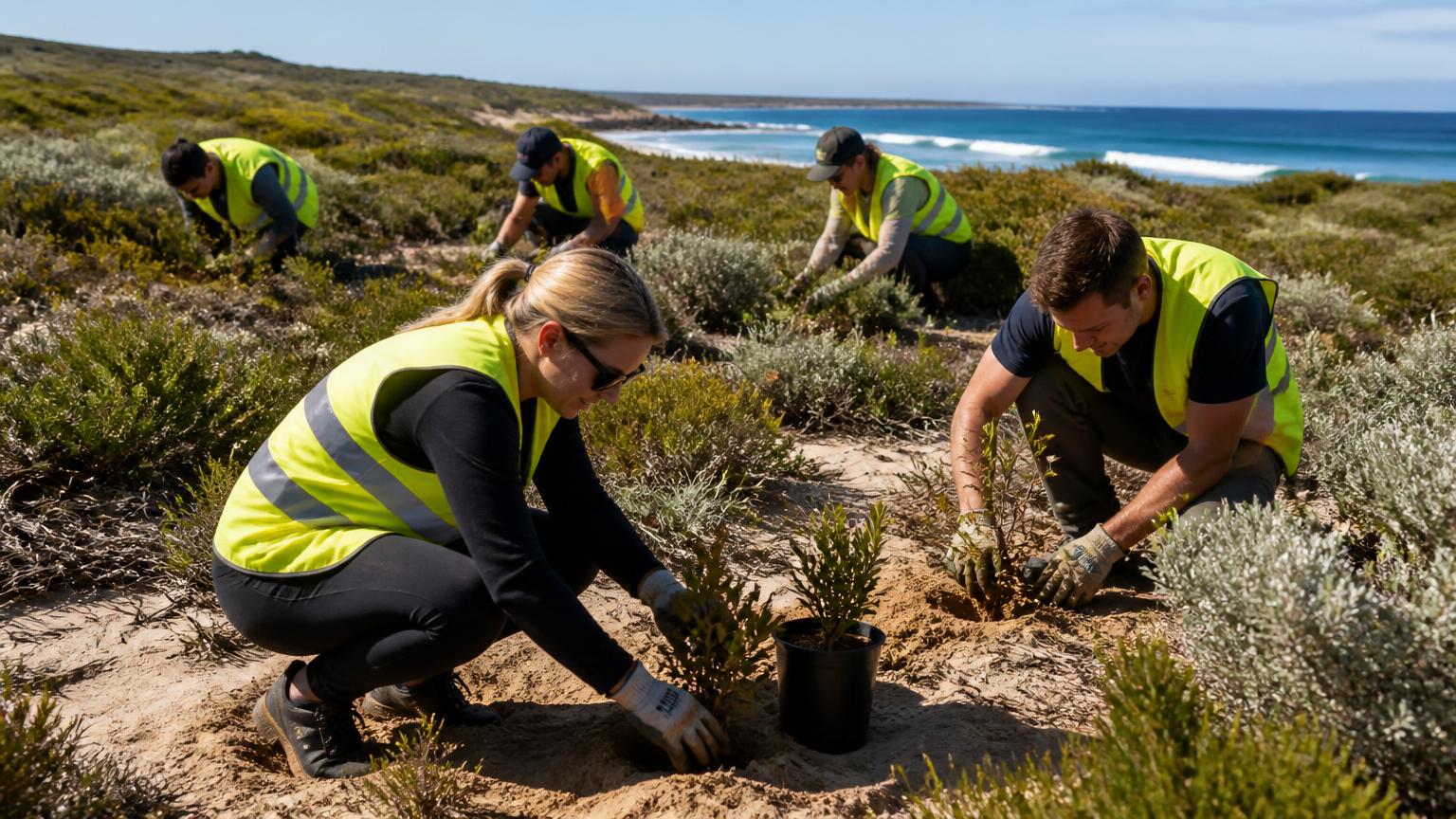
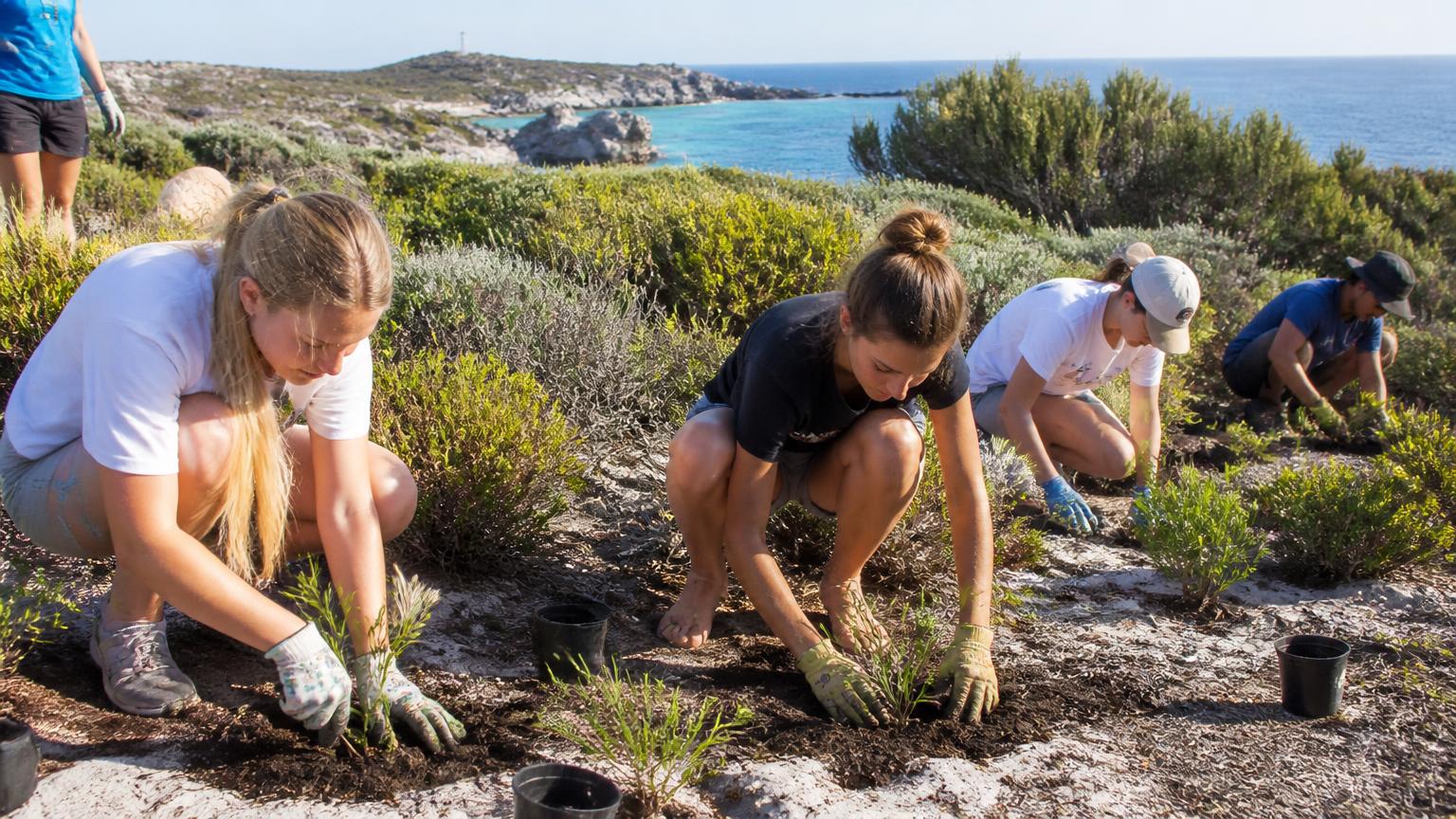
The Foundation supports the implementation of the Rottnest Island Woodland Management Plan. Its Woodlands and Coastal Restoration project aims to improve habitat for native species, prevent erosion and help stabilise sand dunes.
The published restoration program includes an aim to revegetate 53 hectares of pine and tea-tree environments with 70,000 seedlings. The Foundation’s impact page reports that 38,000 seedlings from the Rottnest Island Plant Nursery have already been planted through woodland and coastal restoration work.
Foundation volunteers and corporate volunteers have also contributed on the ground by:
- planting seedlings in woodland and coastal environments
- removing guards from established plantings
- removing sea spurge from beach fronts
- supporting native vegetation recovery
The Foundation says it has committed $150,000 over three years to support expanded woodland activities delivered through the Rottnest Island Authority.
Explore the Woodlands and Coastal Restoration project.
What other projects does the Rottnest Foundation support?
The Foundation’s work extends across the island. Published past, current and proposed initiatives include:
Wadjemup Bidi
A network of approximately 45 kilometres of interconnected walking trails, helping visitors explore the island's natural features and connect with its environment and history.
Aboriginal Burial Ground conservation
The Foundation has supported respectful acknowledgement and restoration connected with the Wadjemup Aboriginal Burial Ground, part of the ongoing recognition of the island's difficult Aboriginal history.
Boodja Kaartdijin
A proposed project intended to honour the Whadjuk Noongar people as the Traditional Owners of Wadjemup and share Aboriginal culture and Noongar stories through educational sites around the island.
Bickley Military Heritage Precinct
Conservation and renewal of the Bickley Battery trails, defence structures and military heritage assets is identified by the Foundation as a strategic project.
Wadjemup Conservation Centre
A proposed purpose-built centre envisioned to include visitor education spaces, a quokka welfare centre and environmental research facilities.
Other island initiatives
Published impact also includes wildlife research, specialised planting, heritage-building restoration, conservation planning, accessibility initiatives, stairs and boardwalks, and a seal-viewing platform.
These projects demonstrate that conserving Wadjemup involves its ecosystems, wildlife, history, culture and the way people experience the island.
View the Foundation’s current Visionary Projects.
How is the Rottnest Foundation funded?
The Foundation raises money through a combination of individual donations, corporate and philanthropic partnerships, grants, memberships, fundraising activities and merchandise-linked initiatives.
It also encourages community involvement through volunteering. This can combine financial support with practical activities such as planting and environmental rehabilitation.
Because different donations and partnerships may be directed towards different projects, supporters should review the Foundation’s current donation information or contact it directly if they want to understand how a particular contribution will be allocated.
Can businesses support the Rottnest Foundation?
Yes. The Foundation actively seeks partnerships with corporate and philanthropic organisations to support environmental, cultural and heritage projects.
Business support can include:
- direct project funding
- matched or campaign-linked donations
- corporate volunteering
- fundraising collaborations
- grants and in-kind support
- employee or customer participation initiatives
The most credible campaigns use a clear mechanism, name the recipient organisation accurately and report the final contribution after the activity ends.
How is SprintSuite supporting the Rottnest Foundation?
SprintSuite is connecting its Name Our Quokka campaign with a measurable contribution to the Rottnest Foundation.
For every valid quokka name entered through the official competition, SprintSuite will donate $1 to the Rottnest Foundation. There is no donation required from entrants; submitting a valid name is enough to add another dollar to SprintSuite’s contribution.
One eligible entrant will also win a Rottnest Island getaway.
The campaign brings together the entities at the heart of the story:
- SprintSuite is running Name Our Quokka.
- The community is submitting name ideas.
- Each valid entry adds $1 to SprintSuite’s donation.
- The Rottnest Foundation receives the final contribution.
- Wadjemup / Rottnest Island is the place the campaign celebrates and helps conserve.
Entries close on 30 September 2026 — see the terms and conditions. Need inspiration? Browse 50 Western Australian-inspired quokka names.
Why does this support matter?
Effective conservation is built over time. Monitoring must be repeated. Seedlings must be planted and maintained. Heritage assets require planning and restoration. Research, education and access projects need sustained funding and community participation.
SprintSuite’s contribution is one part of that wider effort. By linking every valid name to another dollar, the campaign gives each participant a simple way to increase the final result.
After the competition, SprintSuite will publish the winning name, the number of valid entries and the final donation amount so the outcome is clear and verifiable.
Frequently asked questions
Sources
- Rottnest Foundation — About Us and Our Impact
- Rottnest Foundation — Quokka Monitoring
- Rottnest Foundation — Woodlands and Coastal Restoration
- Rottnest Foundation — Visionary Projects
- Rottnest Island Authority — island management and Quokka Monitoring Program
Project totals and figures are as published by the Rottnest Foundation and were checked on 28 August 2026. Written and reviewed by the SprintSuite team.