Quick Answer
Businesses can support conservation in Western Australia through direct donations, workplace fundraising, matched contributions, staff volunteering, event partnerships, symbolic wildlife adoptions and customer participation campaigns. The strongest initiatives align with an established conservation organisation, use a clear contribution mechanism and publicly report what was delivered.
- Direct donations — one-off, recurring or project-specific
- Workplace fundraising and voluntary payroll giving
- Matched contributions from staff or customer donations
- Symbolic wildlife adoptions such as Adopt-a-Quokka
- Corporate volunteering — planting, weeding, marine-debris surveys
- Event partnerships and customer participation campaigns
- Skills, services and equipment contributed in kind
Corporate conservation support does not have to begin with a major sponsorship or a multi-year environmental program. A business can start with one place, one project and one measurable commitment.
That might mean matching employee donations, funding native seedlings, giving staff time to volunteer or connecting a customer campaign to a fixed contribution. What matters is that the support responds to a real conservation need, and that the business can explain exactly what it has committed to do.
For mining, engineering, field service and regional businesses, local conservation programs can also create a more meaningful connection with the communities and environments in which they operate.
Why should businesses support conservation in Western Australia?
Western Australia is home to distinctive wildlife, coastal environments, forests, wetlands and arid landscapes. Protecting these places requires long-term work across habitat restoration, threatened-species recovery, scientific monitoring, invasive-species management and community education.
Businesses can contribute money, time, skills, equipment, services and access to wider audiences. A useful partnership should create value for conservation first, while also giving employees and customers a credible way to participate. Potential business benefits include:
- stronger employee engagement
- deeper relationships with local communities
- practical environmental, social and governance activity
- opportunities for staff development and team participation
- more credible sustainability communications
- stronger alignment between stated values and visible action
These benefits depend on the quality of the work. A logo on a campaign is not the same as a conservation outcome.
What are the best ways for a business to support conservation?
1. Make a direct donation
A direct financial contribution is often the simplest place to start. It lets an established organisation direct funds towards work it is already equipped to deliver.
- a one-off end-of-year contribution
- funding a defined habitat or wildlife project
- a regular monthly amount
- a percentage of selected sales
- a response to an urgent conservation need
Confirm whether the donation is unrestricted or allocated to a particular project before announcing it. Tax treatment depends on the recipient, the nature of the payment and what the business receives in return — check the organisation's status and seek accounting advice rather than assuming every sponsorship is a deductible gift.
2. Create a workplace fundraising program
Workplace fundraising gives employees a way to support a shared cause. It can be a single team challenge or a structured payroll giving program.
- staff fundraising challenges
- morning teas or workplace events
- payroll-based workplace giving
- team targets linked to a conservation milestone
- voluntary donation drives during an environmental campaign
The ATO describes workplace giving as a way for employees to regularly donate to eligible deductible gift recipients through payroll. Participation should stay voluntary, and employees should be told clearly how funds are collected and transferred.
3. Match employee or customer contributions
Matched giving increases the effect of donations made by staff or customers.
- dollar-for-dollar employee donation matching
- matching donations made during a defined week
- a fixed amount for every customer action
- unlocking a larger business donation when a participation target is reached
Publish the amount per action, the qualifying actions, the opening and closing dates, any cap, the recipient organisation and when the final result will be reported. For example: “We will contribute $1 for every valid submission received between 1 and 30 September, up to a maximum contribution of $2,000.”
4. Use symbolic wildlife adoption programs
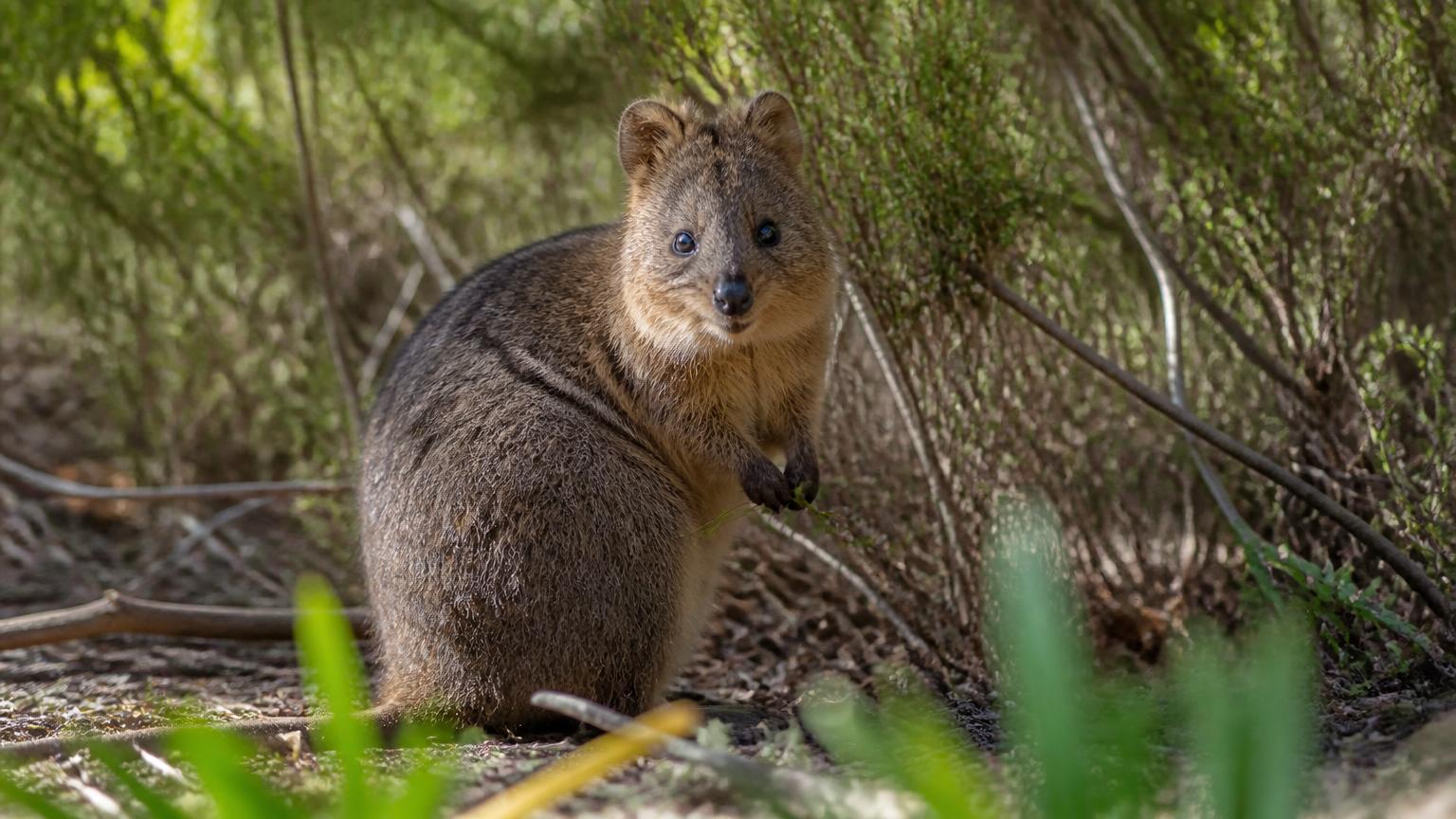
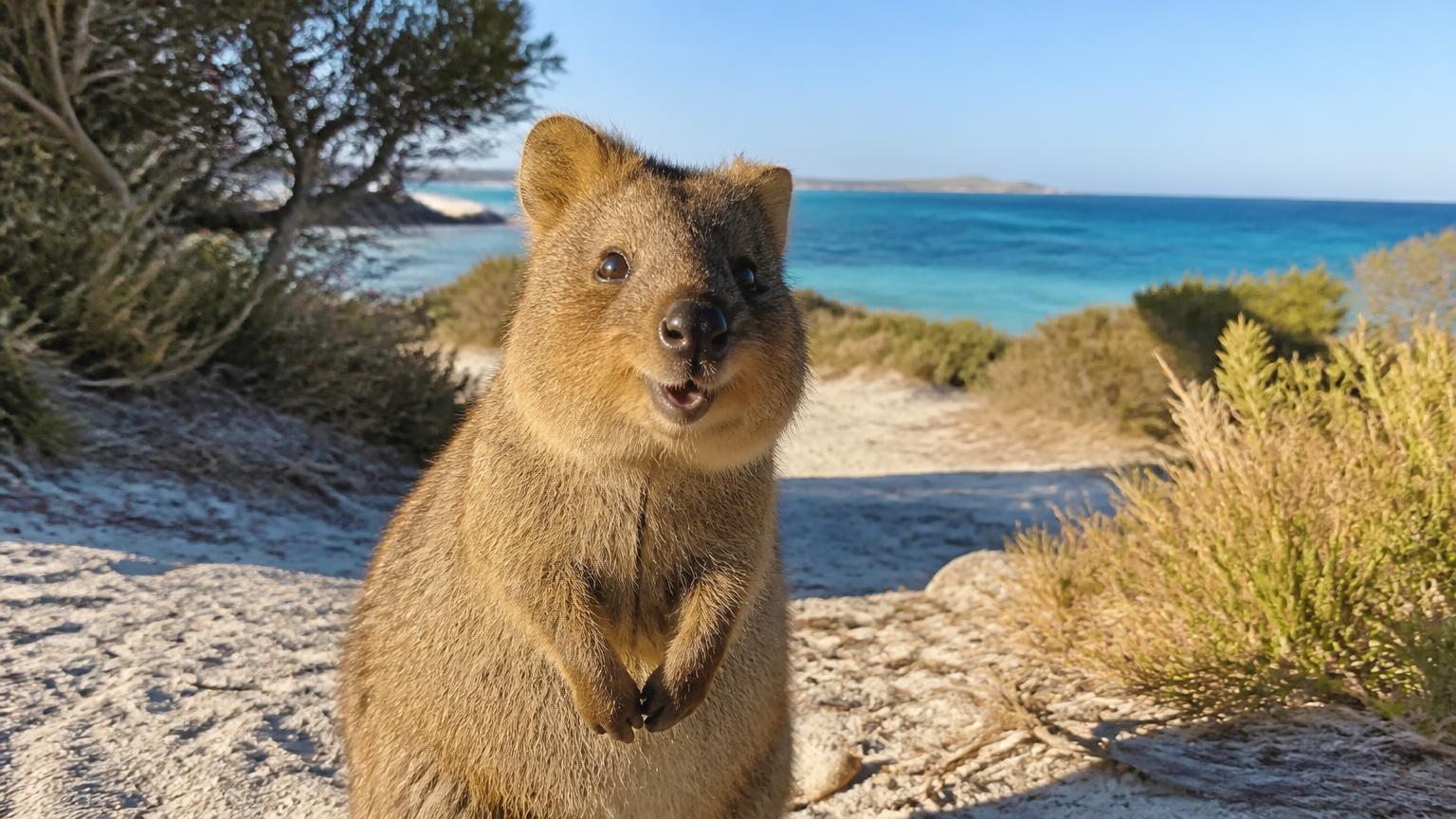
Symbolic adoptions are an accessible way to involve employees, clients or event attendees in a conservation story — as recognition gifts, client gifts, competition prizes, workplace education or part of a wider fundraiser.
- employee recognition gifts
- client gifts with a local connection
- competition prizes
- an educational workplace activity
- part of a wider conservation fundraiser
An adoption is symbolic. It does not give the recipient ownership of, access to or decision-making authority over an individual wild animal, and businesses should use the program's approved language and imagery.
5. Organise staff volunteering
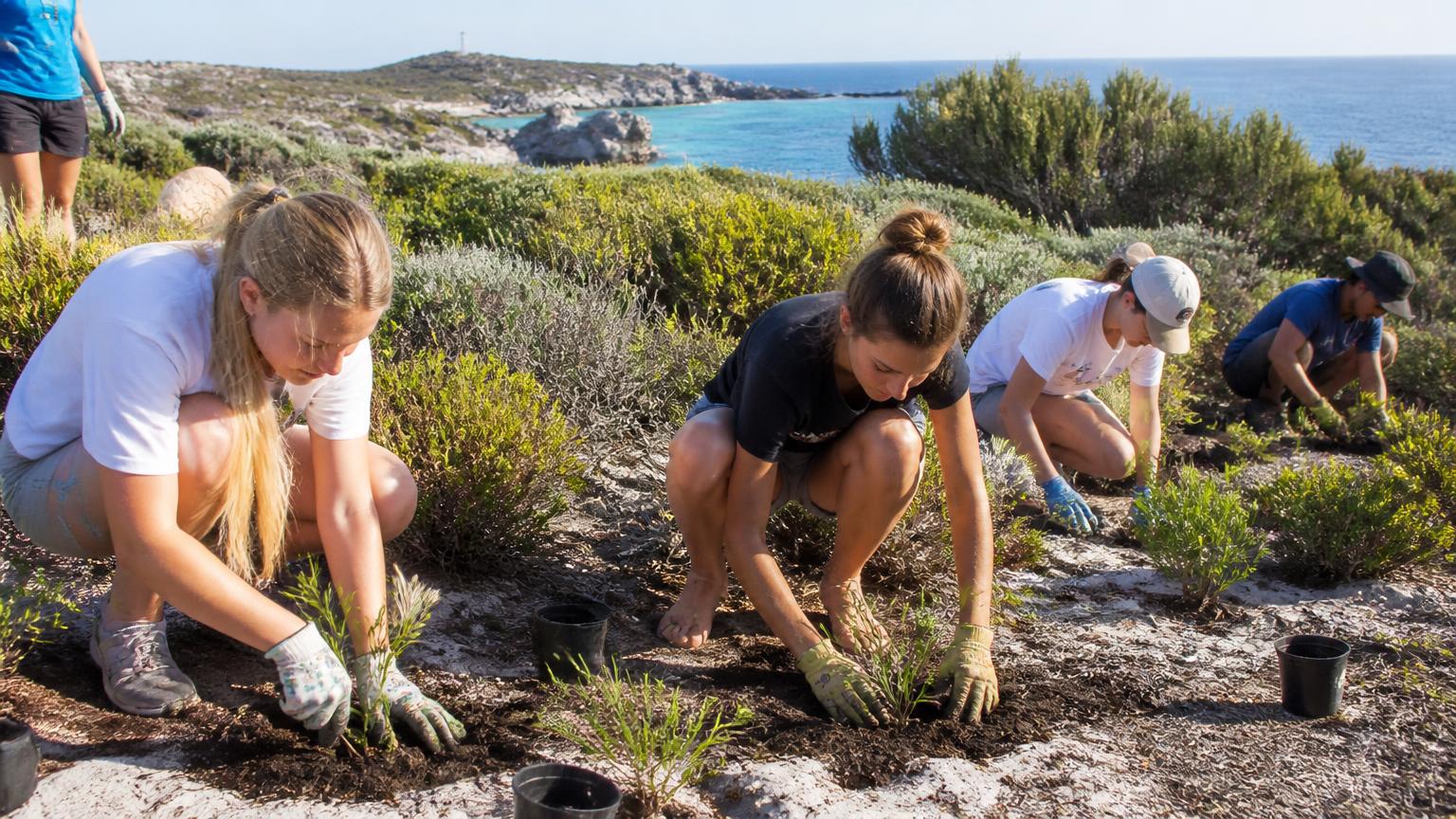
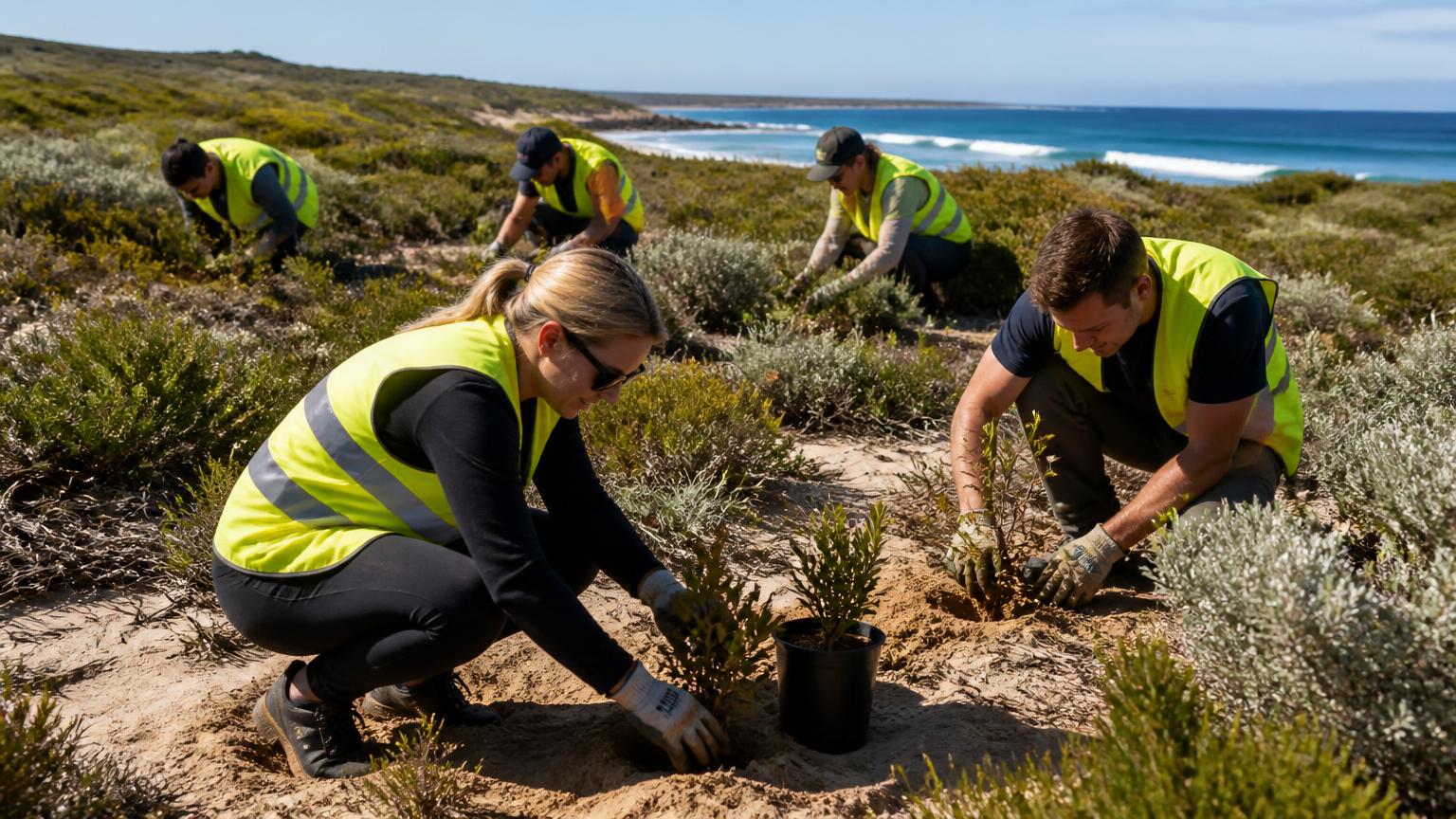
Volunteering turns environmental support into a practical team experience. Depending on the organisation, location and season, activities may include planting, weed removal, marine-debris surveys, trail maintenance, habitat restoration, citizen science or event support.
- planting native seedlings
- removing invasive weeds
- collecting or surveying marine debris
- maintaining trails and restoring habitat
- supporting citizen-science monitoring
The most useful volunteering days are designed around the organisation's needs, not the company's preferred date or photo opportunity. Ask about group size, accessibility, seasonal timing, induction, insurance, safety equipment and cultural-awareness requirements before committing.
6. Support or co-create a conservation event
An event partnership can provide funding, volunteers, facilities, promotion or in-kind services — from community planting days to threatened-species awareness events, workshops, monitoring activities or conservation displays at industry events.
- community planting days
- threatened-species awareness events
- educational workshops and monitoring activities
- fundraising breakfasts or networking functions
- conservation displays at industry events
Agree in advance on branding, costs, attendee data, safety, media, photography, fundraising language and post-event reporting.
7. Build customer participation into a campaign
Customer participation campaigns turn an ordinary marketing action into a measurable contribution.
- a fixed donation for every competition entry
- a contribution for every product sold during a campaign
- funding one seedling for every new customer milestone
- a donation for every completed survey or event registration
- asking customers to vote on which approved project receives a set contribution
State the action and the result in one sentence. If personal information is collected, explain clearly how it will be used — participation in a conservation campaign should not become unexpected consent for unrelated marketing.
8. Contribute skills, services or equipment
Not every useful contribution is financial. Conservation organisations may need professional expertise, technology, transport, equipment or operational support.
- pro-bono legal, accounting, design or marketing services
- software or data support
- transport and logistics
- equipment, materials or event venues
- photography, video, training or specialist advice
Ask the organisation what it needs before offering. An unsolicited product or service can create storage, maintenance or administrative costs rather than solving a problem.
Useful reference points include the ATO’s workplace giving guidance, the Rottnest Foundation’s Adopt-a-Quokka program, Perth NRM corporate volunteering and the WA Government’s Parks and Wildlife Service volunteer program. If you are considering an adoption or wildlife-focused campaign, it also helps to understand why quokkas are vulnerable.
How should a business choose a conservation organisation?
Begin with alignment and due diligence — not the most marketable animal.
Geographic relevance
Does the organisation work in the region where your business, staff or customers have a genuine connection?
Conservation purpose
Is its work focused on the species, habitat or environmental issue you want to support?
Registration and governance
Can you verify the organisation and understand how it is governed?
Evidence of work
Does it publish project information, reports or measurable outcomes?
Partnership fit
Can both parties agree on responsibilities, claims, branding and reporting?
Community and cultural context
Does the work appropriately involve Traditional Owners and local communities where relevant?
Practical capacity
Can the organisation support the volunteering group, event or campaign being proposed?
The Australian Charities and Not-for-profits Commission recommends due diligence before a corporate partnership, including what each party will provide, the wider community benefit, risks, costs, conflicts and whether the arrangement has appropriate board support. Businesses can use the ACNC Charity Register as one part of their checks and review the ACNC’s corporate partnership guidance.
Which conservation organisations work in Western Australia?
The right organisation depends on the place and outcome a business wants to support. Examples with published WA programs include:
Rottnest Foundation
Environmental, cultural and heritage projects on Wadjemup / Rottnest Island, including quokka monitoring and habitat restoration.
Perth NRM
Community and corporate participation in conservation across the Perth region.
Parks and Wildlife Service
Volunteering and land, wildlife and visitor-management projects across WA.
Bush Heritage Australia
Reserve and partnership-based conservation work across several WA landscapes.
Australian Wildlife Conservancy
Science-led wildlife and landscape conservation, including WA sanctuary and partnership areas.
This is not an endorsement or an exhaustive list. Businesses should assess current projects, organisational fit and partnership terms directly with each organisation. If you are new to the Wadjemup work, what the Rottnest Foundation does is a useful starting point.
What does a transparent conservation campaign report include?
Reporting should close the gap between what a business promised and what it delivered. After the campaign, publish:
- the original commitment
- the campaign dates
- the qualifying action
- the number of valid actions or donations
- the calculation used
- the final business contribution
- whether a cap applied
- the recipient organisation
- confirmation that funds or support were delivered
- the next project update, if one has been agreed
“During September, 846 valid entries were received. At $1 per entry, the campaign generated an $846 business contribution. The payment was made to [organisation] on [date].”
Illustrative example only.
Avoid translating a donation into an environmental outcome — such as animals saved, hectares restored or trees planted — unless the conservation organisation has supplied and approved that calculation.
How is SprintSuite applying this approach?
SprintSuite’s Name Our Quokka campaign uses customer participation to create a measurable contribution. For every valid quokka name submitted through the official competition, SprintSuite will donate $1 to the Rottnest Foundation. Entrants do not need to donate themselves — their valid submission increases SprintSuite’s final contribution by another dollar. The campaign also gives one eligible entrant the chance to win a Rottnest Island getaway.
- Action: submit a valid name
- Business commitment: $1 per valid submission
- Recipient: Rottnest Foundation
- Purpose: support the organisation’s work conserving Wadjemup
- Campaign close: 30 September 2026 (see the competition terms)
- Reporting: publish the valid-entry total and final contribution after the campaign
More detail on the mechanism is in our $1-per-name campaign article, and if you need inspiration, we have quokka name ideas too.
Add a dollar to the donation
Every valid name submitted before 30 September 2026 adds $1 to SprintSuite’s contribution to the Rottnest Foundation.
Name Our QuokkaA five-step conservation support plan for businesses
Step 1: Choose one relevant issue or place
Start with a region, species or environmental challenge that has a genuine connection to your business and stakeholders.
Step 2: Speak with an established organisation
Ask what support is currently useful. Do not build the campaign before confirming that the organisation wants to be involved.
Step 3: Define one measurable commitment
Choose a donation, match, volunteering activity or in-kind contribution your business can realistically deliver.
Step 4: Document and communicate the terms
Confirm responsibilities, campaign dates, approvals, branding, contribution caps, data use and reporting expectations.
Step 5: Deliver and report the result
Make the contribution promptly, retain documentation and publish a concise outcome report.
Starting small is not a weakness. A modest commitment delivered transparently is more credible than an ambitious promise that cannot be verified.
Frequently asked questions
Sources
- Australian Taxation Office — workplace giving programs for employees
- Australian Charities and Not-for-profits Commission — Charity Register and corporate partnership guidance
- Rottnest Foundation — Adopt-a-Quokka program
- Perth NRM — corporate volunteering
- WA Department of Biodiversity, Conservation and Attractions — Parks and Wildlife Service volunteer program
General information only, current as at 31 August 2026. It is not tax, legal or accounting advice — seek professional advice for your own circumstances. Written and reviewed by the SprintSuite team.