Quick Answer
Quokkas are vulnerable because their range and mainland populations have declined due to introduced predators, habitat loss and modification, and inappropriate fire regimes. Rottnest Island supports the world’s largest wild population, but smaller mainland populations remain fragmented and exposed to multiple threats.
- Listed as vulnerable under Australia’s EPBC Act — not endangered
- Main threats: introduced foxes and feral cats
- Habitat loss, degradation and fragmentation of dense vegetation
- Inappropriate fire regimes and intense bushfires
- Small, isolated mainland populations plus a changing climate
- Rottnest Island holds the world’s largest wild population, but it is not the whole picture
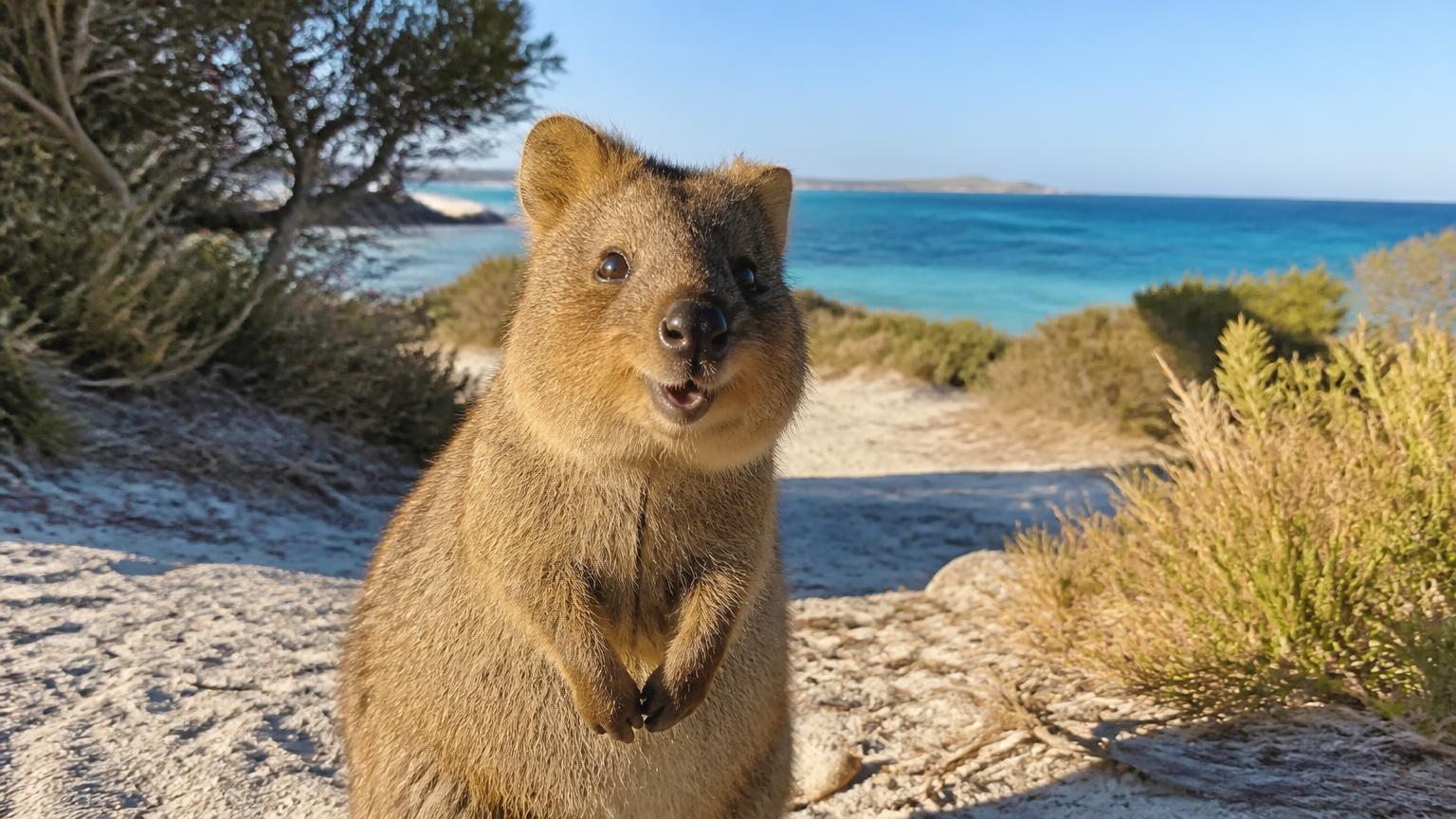
The smiling quokka is one of Western Australia’s most recognisable animals. On Wadjemup / Rottnest Island, visitors may see them resting near walking paths, moving through vegetation or appearing around the settlement.
That visibility can make their official conservation status seem surprising.
The quokka, scientifically known as Setonix brachyurus, is listed as vulnerable under Australia’s Environment Protection and Biodiversity Conservation Act 1999. In conservation terms, vulnerable does not mean that every population is currently disappearing. It means the species faces a high risk of extinction in the wild if the conditions threatening it continue.
If there are lots of quokkas on Rottnest Island, why are they vulnerable?
Rottnest Island supports the world’s largest wild quokka population, but it is only one part of the species’ story. A much smaller population lives across parts of mainland south-west Western Australia.
Quokkas have been able to thrive on Rottnest partly because the island lacks the introduced predators that have affected mainland populations. As a protected Class A Reserve, the island also provides managed habitat for native flora and fauna.
Mainland quokkas face a more difficult combination of pressures. Populations can be small, scattered and separated from one another. Their dense habitat can also make them difficult to detect and monitor.
The conservation status therefore reflects the species across its natural range — not simply how frequently visitors see quokkas in one well-known location.
What are the main threats to quokkas?
1. Predation by introduced foxes and feral cats
Introduced predators are a major threat to many Australian mammals. Research supported by Western Australia’s conservation agencies has identified the European red fox as a major cause of the quokka’s historical decline on the mainland.
Feral cats can also prey on native wildlife. The risk can increase when dense vegetation is disturbed or removed, leaving quokkas with less shelter.
Predator control is therefore an important part of mainland conservation. The WA Government’s Western Shield program manages foxes in areas that provide habitat for threatened native animals, including the quokka.
2. Habitat loss, degradation and fragmentation
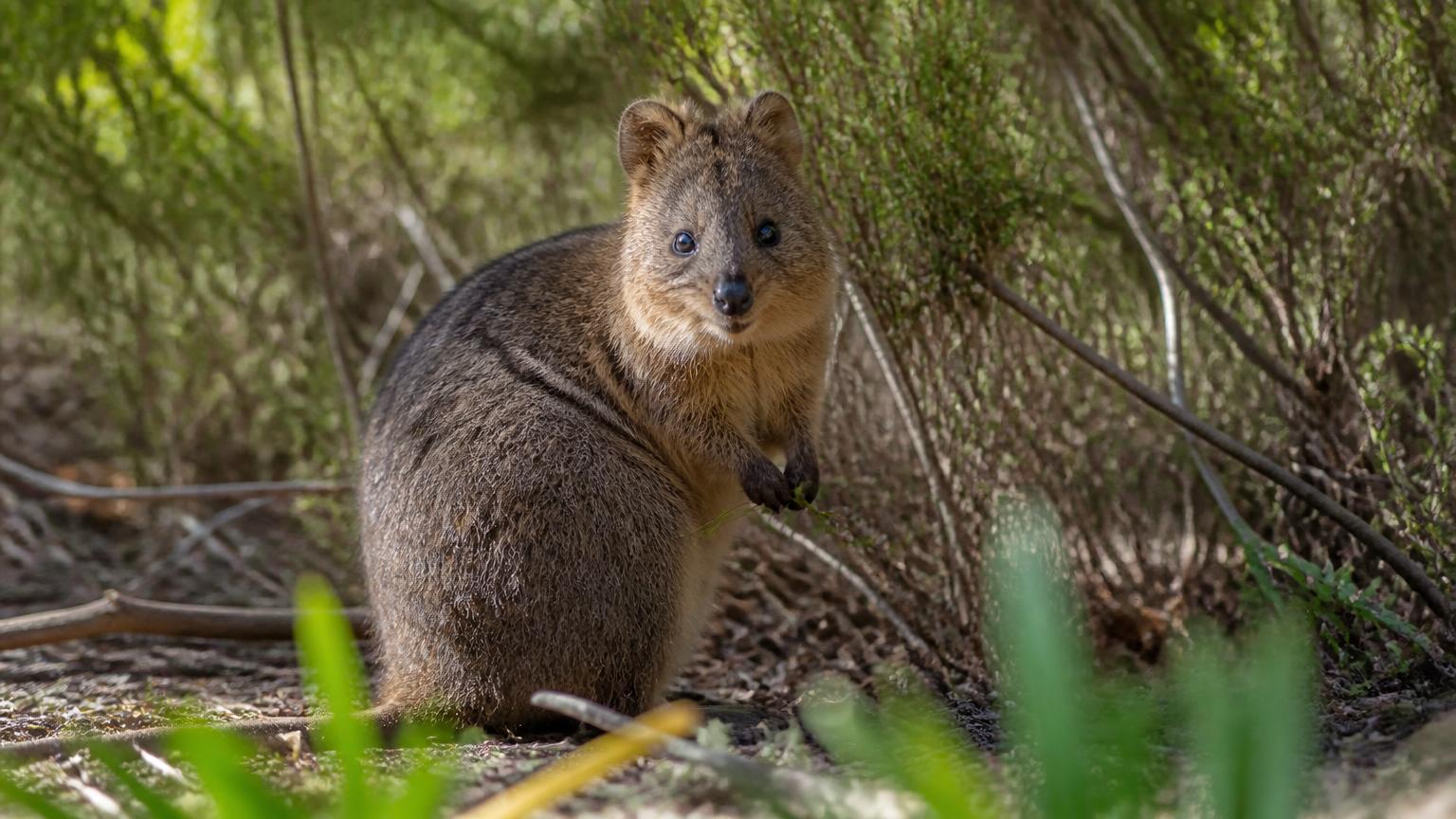
Mainland quokkas depend on dense vegetation that provides food, shelter and protection from predators. They are often associated with thick streamside vegetation, swamps, shrublands and forest understorey.
Clearing or modifying this habitat can reduce the places where quokkas can safely feed and shelter. It can also fragment populations, leaving small groups isolated from one another.
Habitat fragmentation matters because isolated populations may find it harder to move across the landscape, recover after disturbance and maintain genetic diversity.
3. Inappropriate fire regimes and intense bushfires
Fire has a complex relationship with quokka habitat. Appropriate fire management can help maintain vegetation at different stages of growth, but intense or poorly timed fires can remove large areas of dense shelter and food at once.
Quokka populations are particularly exposed when fire affects an isolated patch of habitat. Animals that survive the immediate event may then face reduced food, limited cover and increased exposure to foxes and feral cats.
The WA Department of Biodiversity, Conservation and Attractions recommends considering predator control following fire-management activities in known quokka habitat. It also advises allowing affected habitat to recover before nearby areas are disturbed again.
4. Small and isolated mainland populations
A large, connected population is generally better able to recover from local disturbance than several small, separated populations.
For mainland quokkas, one intense fire, habitat-clearing event or increase in predator pressure can have a disproportionate effect on a local group. Isolation may also prevent animals from recolonising an area after a population is lost.
This is why protecting habitat corridors and monitoring known populations are important parts of long-term conservation.
5. A changing climate
Climate change can compound existing pressures by contributing to hotter conditions, drought and more severe fire weather. For a species that relies on dense, moist vegetation in parts of mainland south-west Western Australia, changes in water availability and vegetation condition may make suitable habitat harder to maintain.
Climate change is not a standalone explanation for the quokka’s historical decline, but it can intensify habitat and fire-related risks already affecting small populations.
Are quokkas endangered or vulnerable?
Quokkas are vulnerable, not endangered, under Australia’s national environmental law.
The categories describe different levels of extinction risk. Vulnerable species face a high risk of extinction in the wild, while endangered and critically endangered categories indicate progressively greater risk.
Calling quokkas “endangered” may sound similar in everyday conversation, but it is not their correct national listing. Accurate language is important because it helps people understand the species’ current status without overstating or dismissing the risk.
Where do wild quokkas live?
Wild quokkas are endemic to Western Australia, meaning they occur naturally nowhere else.
The best-known population lives on Wadjemup / Rottnest Island, which has the world’s largest wild quokka population. Smaller populations also occur in parts of mainland south-west Western Australia, and another important island population occurs on Bald Island near Albany.
Mainland quokkas are usually associated with dense vegetation that offers shelter and access to suitable food. This means a site may contain quokkas even when they are rarely seen by people.
How are quokkas being protected?
Quokka conservation involves managing several connected threats rather than relying on one solution. Important actions include:
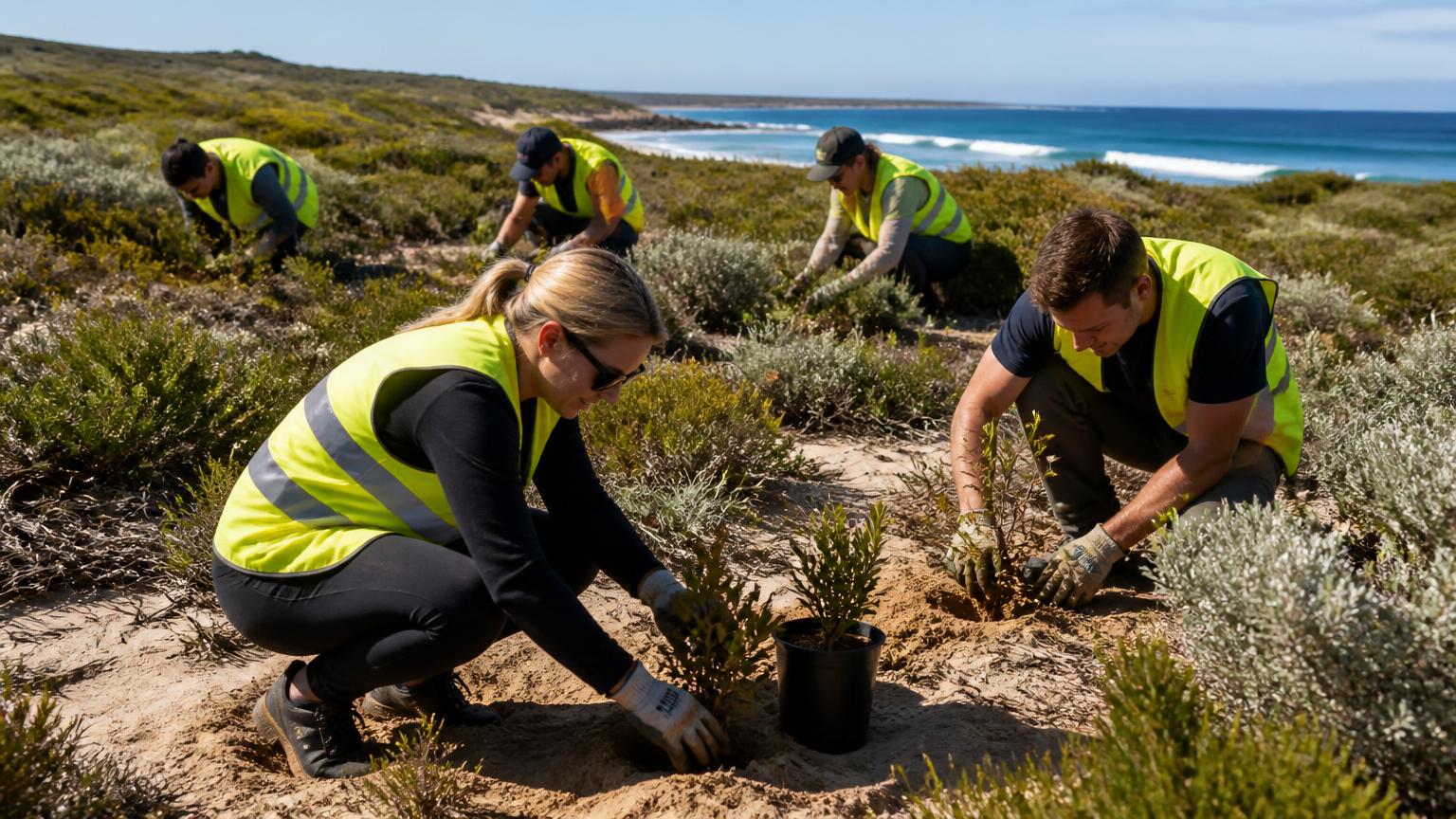
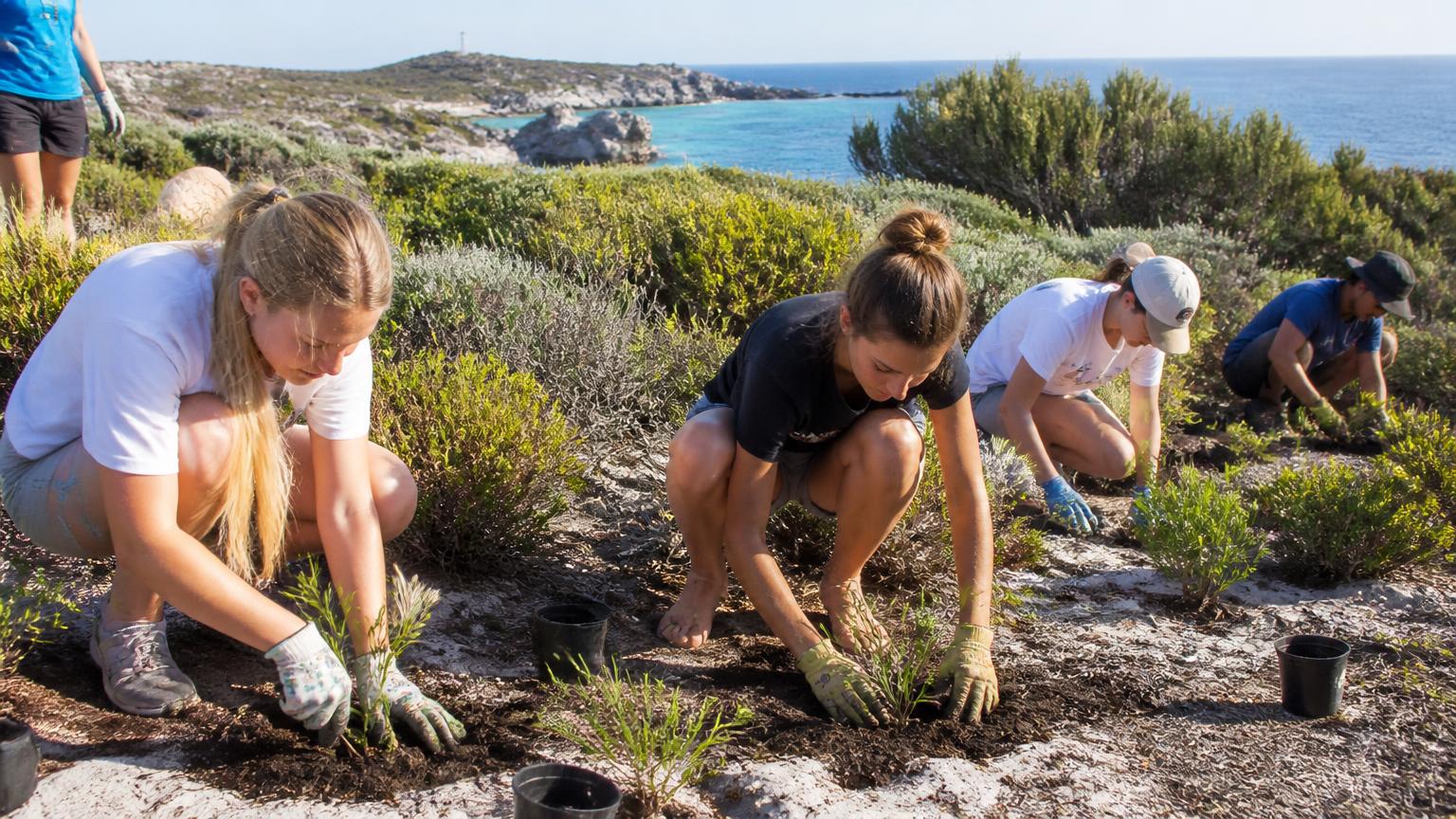
On Rottnest Island, monitoring helps researchers understand changes in the health and condition of the population. The Rottnest Foundation supports quokka monitoring and habitat projects, including woodland and coastal restoration.
Its published monitoring measures include weight, tail circumference, weaning rates and relative abundance. These indicators help build a clearer picture of how the population is changing over time.
Learn more about the Rottnest Foundation’s quokka monitoring work and the WA Government’s Western Shield conservation program.
How can people help protect quokkas?
You can help by supporting established conservation organisations and behaving responsibly when visiting quokka habitat. On Rottnest Island:
- Observe quokkas from a respectful distance
- Do not touch or pet them
- Do not feed them human food
- Dispose of rubbish correctly
- Stay on designated paths where required
- Follow all island wildlife guidance
Touching wildlife can spread disease or cause distress, while feeding quokkas inappropriate food can harm their health. The safest encounter is one where the animal controls the distance.
People can also support habitat restoration, monitoring and research through organisations such as the Rottnest Foundation.
How is SprintSuite supporting quokka conservation?
SprintSuite is asking Western Australians to help name our newest quokka team member.
For every valid name entered through the official Name Our Quokka competition, SprintSuite will donate $1 to the Rottnest Foundation. One eligible entrant will also win a Rottnest Island getaway.
There is no donation required from entrants. Submitting a valid name is enough to add another dollar to SprintSuite’s contribution. Need inspiration? Browse 50 Western Australian-inspired quokka names.
Entries close on 30 September 2026 — see the terms and conditions for full details.
Frequently asked questions
References
- Australian Department of Climate Change, Energy, the Environment and Water (DCCEEW) — EPBC Act threatened species listing for Setonix brachyurus
- WA Department of Biodiversity, Conservation and Attractions (DBCA) — Western Shield and quokka habitat management guidance
- Rottnest Island Authority — wildlife and reserve management information
- Rottnest Foundation — quokka monitoring and habitat restoration projects
Conservation status is current as at 28 August 2026 and is reviewed before any major update to this article.