Quick Answer
To track maintenance for mining machinery in Australia:
- Build one asset register — every machine, serial, engine and location in a single source of truth.
- Schedule off SMU, not calendar — load OEM intervals (250h, 500h, 1000h, 2000h, 4000h) per asset.
- Capture SMU daily from pre-starts, operator app or telematics.
- Route pre-start defects straight into the maintenance system — no SMS, no paper.
- Track components (engine, transmission, pumps, undercarriage) with fitted hours and forecast change-outs.
- Report cost per hour and availability per machine — the numbers Tier-1 miners want.
Spreadsheets, OEM portals and generic CMMS all break at scale. Purpose-built mining field & workshop software (like SprintSuite) keeps it in one system.
Why maintenance tracking matters for mining machinery
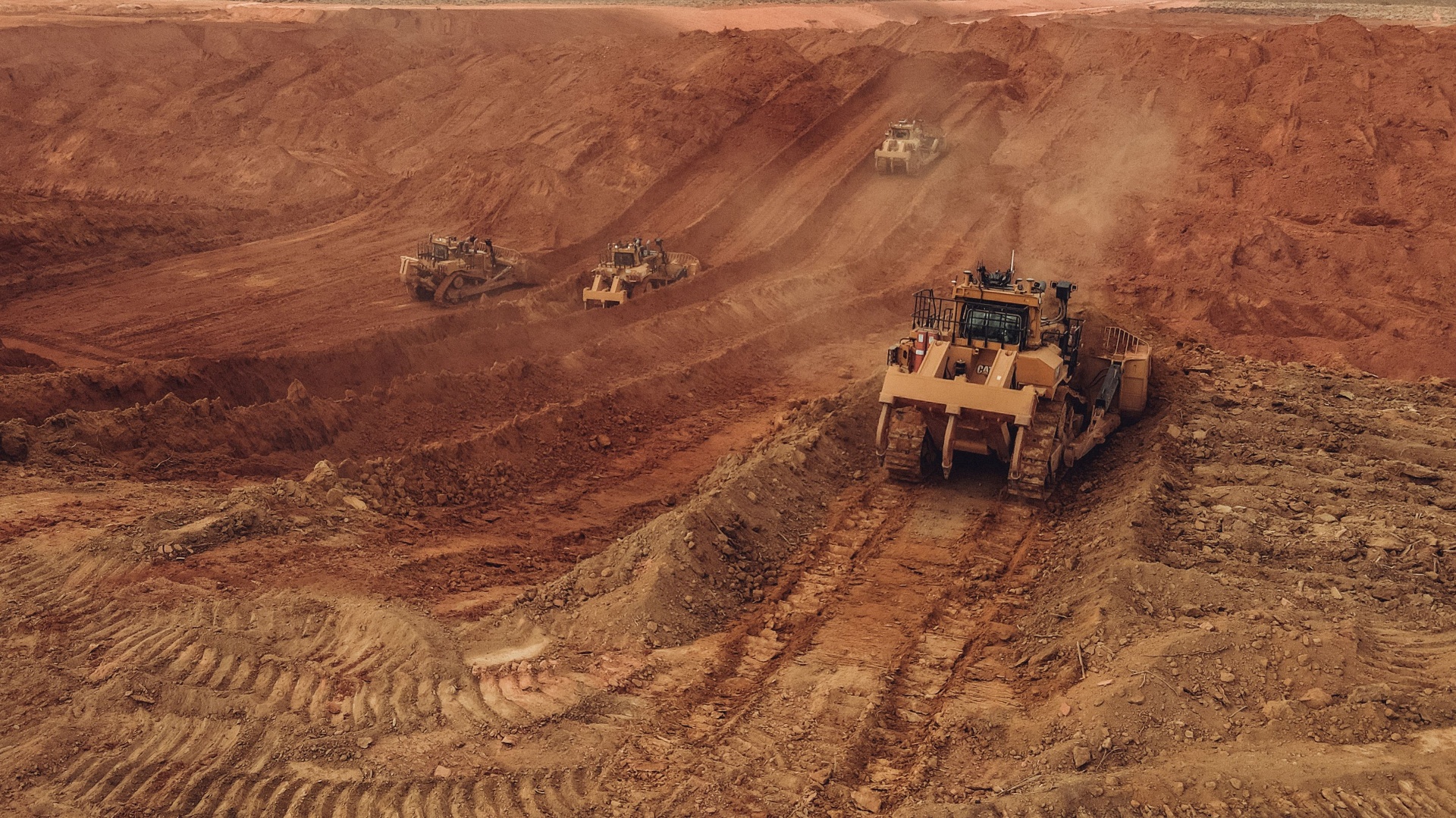
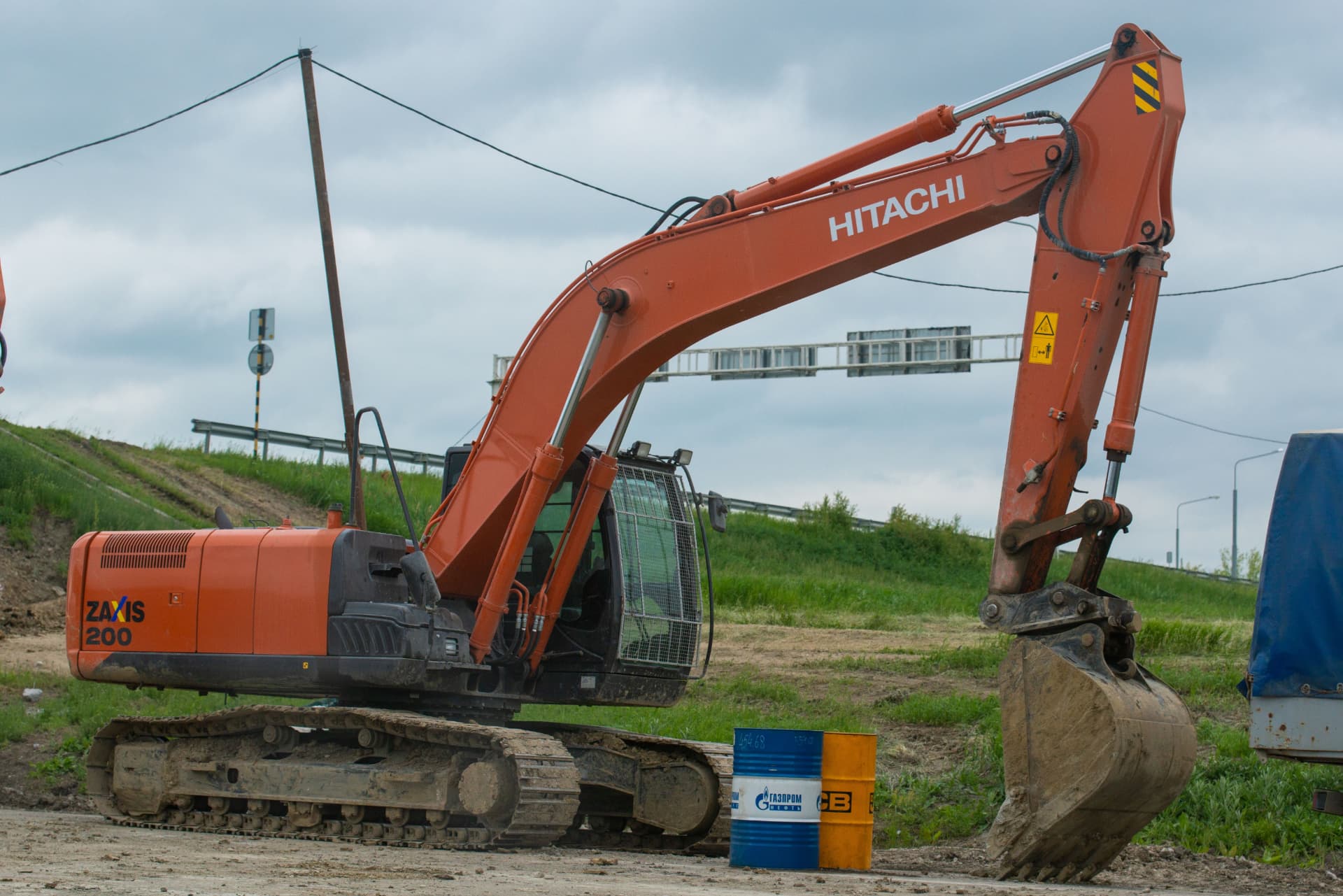
A single Hitachi ZX470, Cat 793 or Komatsu PC1250 represents millions of dollars of capital, hundreds of thousands of dollars a year in parts and labour, and directly determines whether a contract is profitable. Tracking maintenance properly is what separates contractors that renew Tier-1 contracts from those that get replaced at the next tender.
Every unplanned failure has three costs — the repair, the downtime, and the reputation. Every missed service is a warranty argument waiting to happen. Every paper defect that doesn't make it to the workshop queue becomes next month's breakdown.
What you need to track
Service meter hours (SMU)
The single most important number on a piece of mining machinery. Every service, inspection and component change is scheduled off SMU — not calendar date. Track it daily against every excavator, dozer, loader, haul truck and light vehicle.
Scheduled services & intervals
Manufacturer service schedules (250h, 500h, 1000h, 2000h, 4000h) with the exact parts, filters, oils and labour required. Missing a scheduled service is how warranties get argued and components fail early.
Component life & change-outs
Engines, transmissions, final drives, hydraulic pumps, buckets, GET, tyres and undercarriage. Track fitted hours, expected life, condition and forecast change-out date against each machine.
Defects & breakdowns
Every defect raised — from pre-start, operator report or fitter finding — with severity, status, downtime and cost. This is where hidden failure trends live.
Inspections & compliance
Pre-starts, monthly inspections, annual statutory inspections, brake tests, ROPS/FOPS, lifting gear and pressure vessels. All auditable with photos, sign-off and expiry dates.
Parts, oils & consumables
Filters, hoses, oils, coolant, grease. Track what's fitted, what's on order, what's on the shelf and what's forecast for the next 4–12 weeks of services.
What systems contractors use to track maintenance
Spreadsheets and whiteboards
Cheap and familiar, but break the moment the fleet grows past a handful of machines or the workshop coordinator is on leave. SMU never matches reality, defects live in someone's inbox and audit trails don't exist.
OEM telematics (VisionLink, Insite, ConSite)
Great for SMU, fuel, idle and fault codes on that OEM's machines — but siloed per brand. You end up with three portals and no single view across a mixed Cat/Komatsu/Hitachi fleet.
Generic CMMS software
Traditional Computerised Maintenance Management Systems handle assets, work orders and PMs, but rarely understand mining-specific workflows: SMU-driven schedules, component change-outs, statutory inspections, offline sites and Tier-1 miner reporting.
Mining-fit field & workshop software (SprintSuite)
Purpose-built for Australian mining contractors: SMU-based scheduling, defects from pre-starts, workshop bays, parts & filter kits, statutory inspections and whole-of-life cost per machine — with offline field entry from any site.
How to set up maintenance tracking — 6-step process
Build the asset register
List every piece of mining machinery — make, model, serial, engine model & serial, year, current SMU, current location and owner (owned, hired, sub-contract). No maintenance tracking works until this list is accurate and one source of truth.
Load OEM service schedules
For every asset, load the OEM's service intervals (250h, 500h, 1000h, 2000h, 4000h) with the parts, filters, oils and labour hours required. This is the backbone — everything else hangs off it.
Capture SMU daily
SMU has to come off the machine every day — from pre-starts, operator app, kiosk or telematics feed. If SMU updates weekly, service dates slip by days and forecasts stop being useful.
Route pre-start defects into the system
Every pre-start defect must land in the maintenance system as a defect record — not an email or a photo on someone's phone. Severity, status, machine, operator, photos, downtime.
Plan the workshop off forecast SMU
Use forecast SMU to plan the workshop 2–8 weeks out — services, component change-outs, inspections. Book bays, order parts, roster fitters ahead of time instead of reacting to failures.
Report cost & availability by machine
Track cost per hour and availability per machine. This is what turns maintenance tracking from paperwork into a P&L conversation — and what Tier-1 miners want to see monthly.
Best practices for mining maintenance tracking
One SMU source per machine
Pick one source of truth for SMU per asset — telematics or pre-start — and lock it. Two sources always drift and someone will service the wrong hour reading.
Track components, not just machines
Log fitted hours and change-out plans against each major component (engine, transmission, final drive, hydraulic pump, undercarriage). Component-level tracking is where mining maintenance differs from general asset tracking.
Photos on every defect and service
Every defect, pre-start and completed service should have photos. Photo-backed records win warranty arguments and Tier-1 audits — and they take seconds to capture from a phone.
Statutory & compliance in the same system
Annual inspections, brake tests, ROPS/FOPS, lifting gear, pressure vessels — keep them alongside services with expiry alerts, not on a wall calendar in the workshop.
Forecast, don't just react
Look 4, 8 and 12 weeks ahead off SMU. Order filter kits and long-lead components early. The best-run mining fleets in Australia plan services and change-outs a quarter out.
Close the loop on parts and cost
Every service and defect should carry the parts used, hours booked and cost against the machine. Without that, cost-per-hour is a guess.
Common mistakes that cost contractors money
SMU only updated when a service is due
SMU that jumps from 8,400h to 9,050h in one week means every service in between was missed or backdated. Capture SMU daily.
Defects living in text messages
Pre-start defects sent as SMS or WhatsApp never make it into maintenance history. When a component fails, there's no evidence it was reported — warranty gone.
No component-level history
Tracking machine-level cost but not component-level fitted hours means you'll never see the pump that fails at 6,500h every time until it's too late.
Paper pre-starts in a folder
Paper pre-starts don't feed defects, don't prove compliance and can't be audited. Move to a digital pre-start that pushes defects straight into the workshop queue.
Separate systems for maintenance, jobs and safety
If maintenance, jobs, timesheets and safety live in different systems, cost and downtime never reconcile — and the operator has to log into four apps a day.
No visibility for the client miner
Tier-1 miners increasingly want live visibility of contractor fleet availability, services and compliance. If your system can't produce that report, contract renewals get harder.
Related reading: How to order Hitachi filters for heavy machinery · How to get a quote from Hastings Deering · What is a work order? · What is shutdown work?.