Quick Answer
Mining engineering teams at QME 2026 should focus on nine priorities — not the marketing stands:
- Reliability & asset performance data
- Condition monitoring & predictive maintenance
- Decarbonisation & energy transition options
- Autonomy, collision avoidance & safety tech
- Wear parts, GET & rebuild strategy
- Data platforms & digital twin readiness
- Modular, standardised plant
- Electrical, automation & controls talent
- Integrated management systems that cut engineering admin
Why engineering teams get more from QME than they think
QME is often written up as an equipment and procurement show, but the real value for mining engineering teams sits in the technical conversations — reliability, controls, automation, energy, data. Walking the floor cold with no plan turns it into a t-shirt-and-brochure day. Walking in with an engineering scorecard turns it into a decade of compounding decisions.
2026 is a genuinely interesting year to be a mining engineer in Australia. Tier-1 miners are pushing scope-3 targets, autonomy is expanding out of iron ore into coal, condition monitoring is finally cheap enough for support fleets, and the shortage of E&I and controls talent is reshaping who wins contracts. QME 2026 is the one place you can pressure-test all of that in a week.
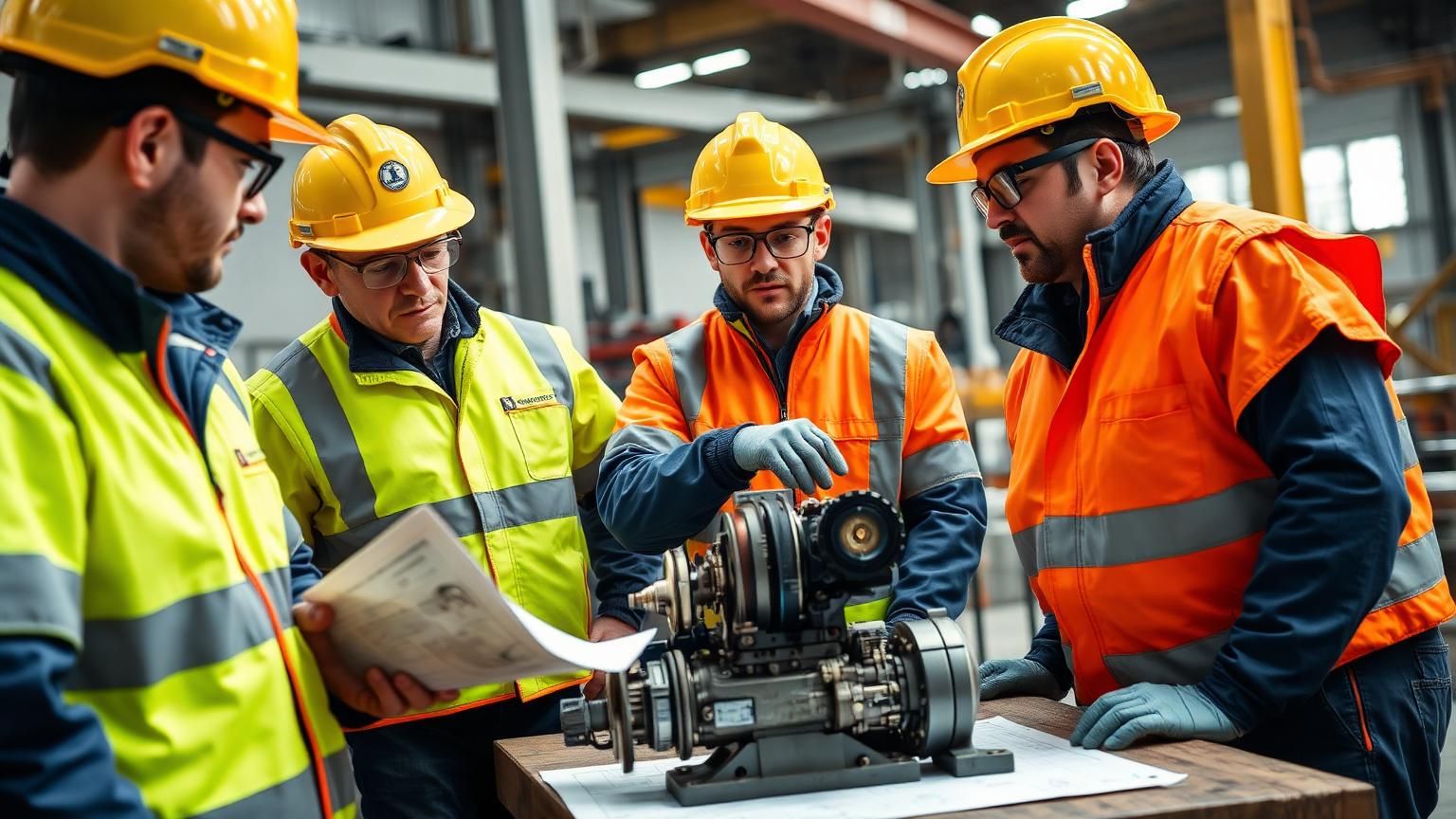
9 priorities for mining engineering teams at QME 2026
Reliability & asset performance data
2026 is the year mining engineering teams stop tolerating spreadsheets for MTBF, availability and utilisation. Look for vendors and OEMs at QME who can plug real telemetry into your reliability dashboards — not another PDF report.
Condition monitoring & predictive maintenance
Oil analysis, vibration, thermal, telematics — the tooling is finally affordable enough to justify on Tier-2 and support fleets, not just haul trucks. Compare integration paths, not just sensor specs.
Decarbonisation & energy transition
Battery-electric, hydrogen, hybrids, trolley assist and fuel-efficient diesels are all being trialled across Bowen Basin and Galilee. Engineering teams need to know what's genuinely production-ready in 2026 versus what's still a pilot.
Autonomy, collision avoidance & safety tech
Autonomous haulage, semi-autonomous drills, proximity detection and fatigue monitoring are now table stakes at Tier-1 miners. Look for the systems your customer expects — and how they integrate with your existing fleet.
Wear parts, GET & rebuild strategy
Engineering owns the cost curve on wear. QME 2026 is a chance to benchmark GET life, bucket designs, hardfacing and rebuild pathways from multiple suppliers side by side — not just accept the incumbent's numbers.
Data platforms & digital twin readiness
Miners are pushing scope-3, live production and asset data upstream. Your engineering stack needs to export clean data — job hours, parts, downtime reasons, safety events — into whatever platform the operation uses.
Modular, standardised plant
Modular crushing, screening, water treatment and power generation shorten shutdowns and de-risk brownfield expansions. Look for suppliers with proven, repeatable modules — not one-off engineered specials.
Electrical, automation & controls talent
The shortage is real: E&I techs, controls engineers, PLC and network specialists. QME is a networking event too — the people you meet at partner stands are as valuable as the equipment on the hardstand.
Integrated management systems
Point solutions for HSEQ, maintenance, projects, timesheets and payroll are what create the 'engineering admin tax'. Look for platforms that connect field, workshop, planning and reporting in one system.
6 questions every engineering team should ask on the QME floor
- What data does your system expose, in what format, and how does it flow into our historian or ERP?
- Which Tier-1 miner has this system running in production — not just a pilot — in 2026?
- What's the total cost of ownership over 5 and 10 years, including consumables and rebuilds?
- How does this integrate with our existing SCADA, CMMS or fleet management platform?
- What's the actual availability and MTBF on comparable Australian sites, not the brochure figure?
- Who supports it after go-live — your engineers, a local partner, or is it on us?
Engineering red flags on the QME floor
- Can't name a Tier-1 Australian miner running the system in production in 2026.
- Won't share the data schema or integration approach for their platform.
- Quotes availability and MTBF from marketing decks, not customer telemetry.
- Positions their solution as 'replace everything you have' rather than integrating.
- Has no clear support model or local field engineering presence in Queensland.
The quiet win: cut the engineering admin tax
The single biggest complaint from mining engineering leads we speak to isn't technology — it's admin. Reliability engineers stitching spreadsheets, maintenance planners chasing timesheets, superintendents rewriting the same JHA every shutdown. That's the engineering admin tax, and it's usually 20–30% of highly-paid engineering time.
A well-scoped mining contractor and asset management platform quietly removes it. SprintSuite tracks jobs, workshop hours, parts consumption, safety events and timesheets against every asset — so engineering teams spend more time engineering and less time chasing paperwork before the next QME comes around.
Related reading: What is QME 2026? · QME 2026 dates · Where is QME 2026 held? · QME 2026 exhibitor list · What to look for at QME if you're a contractor · QME mining equipment: what to compare.