Quick Answer
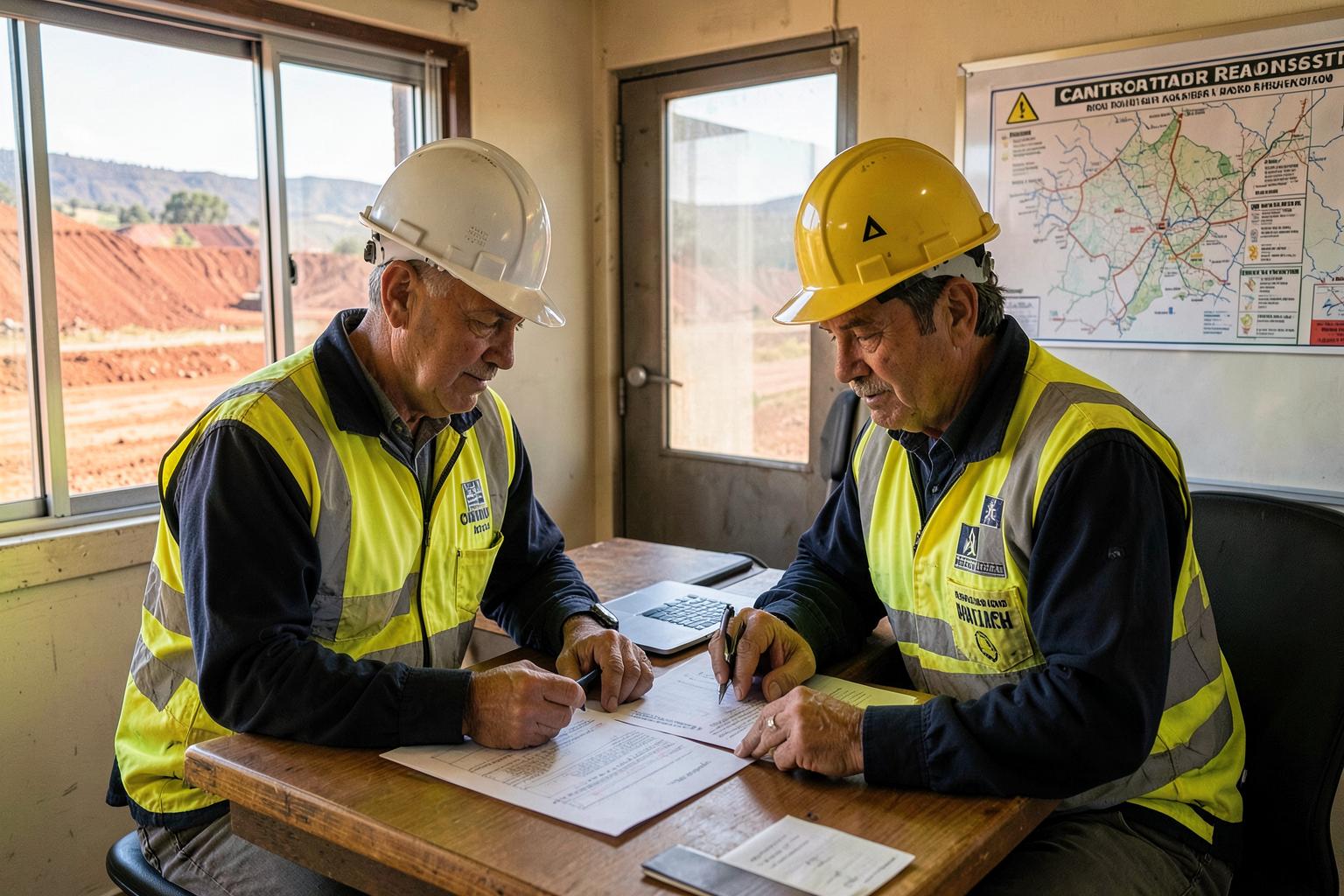
“Site ready” means a worker, contractor or job has met every requirement the mine operator sets before work can start — and can prove it with current evidence. It is a status, not a feeling: either the records exist and are in date, or the person, the business or the job is not site ready.
- A site ready worker has verified right to work, current inductions, licences, VOCs, a valid medical, drug and alcohol clearance, fitness for work, site-standard PPE and approved access.
- A site ready contractor has approved prequalification, current insurances, accepted SWMS and WHS documentation, compliant plant and a named supervisor.
- A site ready job has a confirmed scope, a cleared crew, task-specific risk assessments, permits and isolations, plant and consumables on site, and access arranged.
Site readiness meaning, in one sentence
Site ready is the point at which nothing is outstanding: every requirement the operator imposes has been met, verified and documented, so work can begin the moment the crew reaches the work face. The phrase gets used three different ways on a mine site — about a person, about a business and about a piece of work — and the requirements are different each time. Mixing them up is how contractors turn up at the gate believing they are ready and lose a shift.
Two things make readiness stricter than it sounds. First, it is judged against the operator's requirement set, which varies between mines and between areas within a mine. Second, it is judged on currency — a licence, medical or VOC that lapses partway through the campaign makes someone not site ready from that date, even if they were cleared on day one.
What “site ready” means for a worker
A site ready worker can walk through the gate, sign on and start their task without anything being chased. In practice that is nine things, all current and all evidenced:
Right to work and identity
Verified ID, and citizenship or a visa with valid work rights for the role and hours.
Site and area inductions
The operator's general induction plus any area, department or task-specific induction, all current.
Licences and tickets
High risk work licence, driver's licence for the vehicle class, and any statutory tickets for the task — with the physical or digital evidence on file.
Verifications of competency
A current VOC for every machine, vehicle or plant item the worker will actually operate on that site.
Medicals and health monitoring
A current site or coal board medical, plus audiometric, respiratory or other monitoring the role triggers.
Drug and alcohol clearance
Pre-employment or pre-mobilisation screening completed inside the site's accepted window.
Fitness for work
Fatigue rules understood, hours within the roster limits, and any restrictions or return-to-work conditions known to the supervisor.
PPE to the site standard
Site-spec hi-vis, boots, helmet, glasses and task-specific gear, including respirator fit testing where required.
Site access approval
Access request approved, gate pass or access card issued, and the worker listed on the approved crew list.
Note what is not on the list: experience. A 20-year operator with a lapsed VOC is not site ready. Readiness is about verified, in-date evidence, which is why checking whether a worker is compliant for site is a records exercise rather than a judgement call.
What “site ready” means for a contractor
A business can have a fully compliant crew and still be unable to start, because the company-level obligations sit with the contractor, not the worker:
Prequalification approved
Accepted in the operator's contractor management system or portal, not just submitted.
Insurances current
Public liability, workers compensation, plant and motor vehicle cover at the required limits, with certificates of currency in date.
WHS documentation accepted
SWMS, JSAs, risk assessments, WHS management plan and emergency procedures reviewed and signed off by the operator.
Licences to work and permits
Contract or purchase order in place, plus any permits, isolations and authorities the scope requires.
Plant and vehicles compliant
Serviced, inspected, tagged, light-vehicle compliant, registered on site and with maintenance and inspection records available.
Supervision and competence structure
A named site supervisor, a chain of responsibility, and evidence workers are trained, instructed and supervised.
Records and reporting ready
Timesheets, pre-starts, inspections, incidents and hazard reports able to be captured and produced on request.
What “site ready” means for a job
Job readiness is the operational layer. Even with a cleared crew and an approved business, the specific piece of work has to be ready to execute:
Scope confirmed in writing
Work area, deliverables, roster, start date and variation process agreed — not verbal.
Crew allocated and cleared
Named workers, all site ready, plus a cleared standby for critical roles.
Risk assessed for this task
Task-specific SWMS or JSA written for the actual work, area and hazards, ready to be signed on site.
Plant, tools and consumables on site
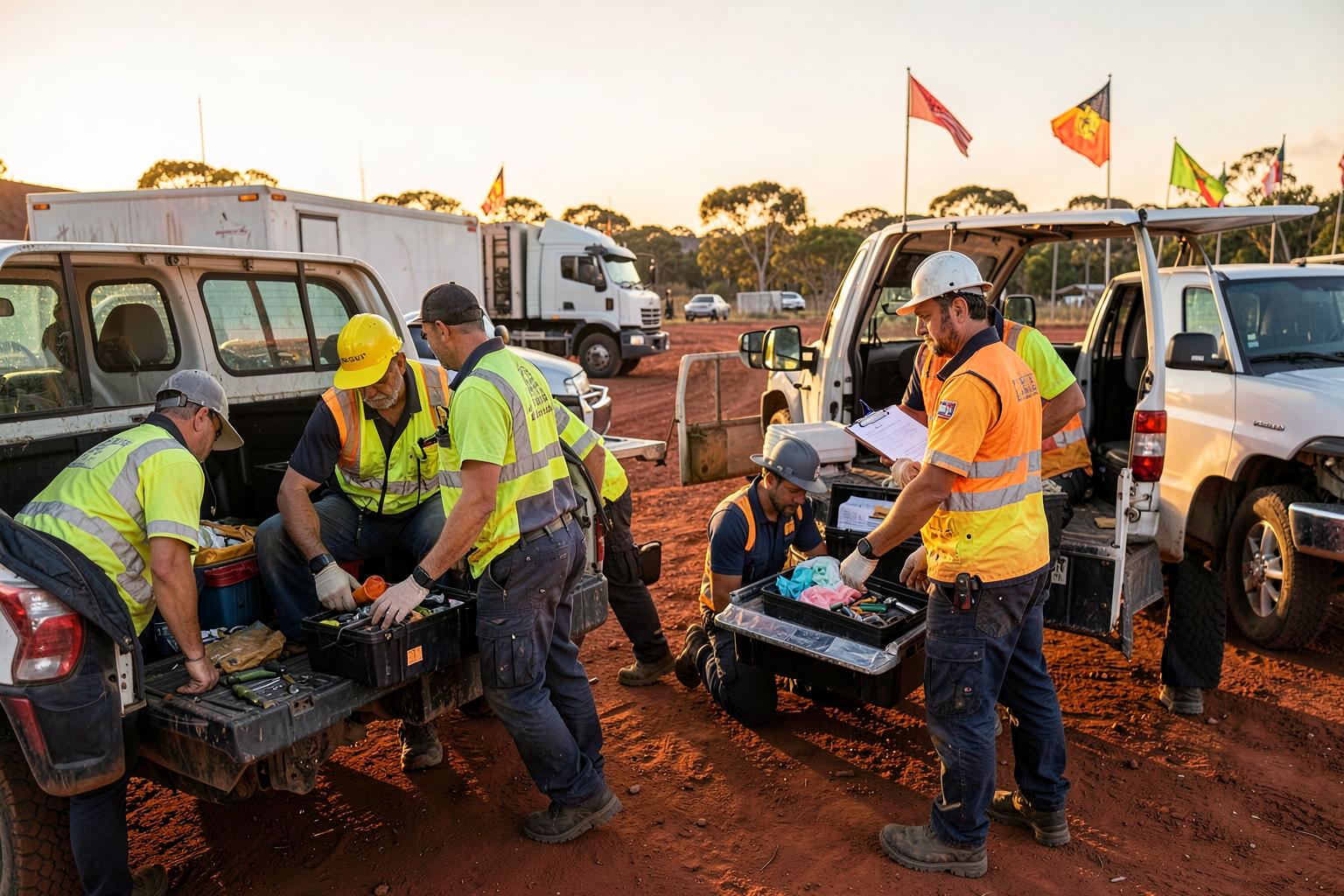
Everything the crew needs delivered and inspected before day one, not chasing freight mid-shift.
Isolations and permits arranged
Permit to work, isolation and lock-out requirements identified, requested and scheduled with the operator.
Access and logistics sorted
Gate access, vehicle permits, travel, accommodation and transport to the work face all confirmed.
Interfaces coordinated
Other contractors, operator crews and shutdown sequencing understood so your work is not blocked or blocking.
Job readiness is the reason mobilisation is planned backwards from the commencement date. If you are pricing or planning a new site, see how to build a mobilisation schedule and what mobilisation means in mining.
Why site readiness is a legal position, not just a client demand
Site readiness is how you meet your primary duty
Under the model WHS laws a PCBU must ensure, so far as is reasonably practicable, that workers are trained, informed, instructed and supervised, and that plant is safe. Site ready is the practical evidence that you have done that before work starts.
Duties are shared, and must be coordinated
On a mine you and the operator hold overlapping duties. That is why operators run prequalification, inductions and access control — and why readiness is judged against their requirements, not just yours.
Evidence has to exist, and be retained
Inductions, competency records, health monitoring, inspections and risk assessments must be documented and kept for the periods set by WHS, mining and health monitoring rules. 'He's done it before' is not a record.
Currency matters more than possession
A ticket, medical or VOC that expires mid-swing makes a worker not site ready from the expiry date. Readiness is always checked against the last day of the campaign.
Common site readiness mistakes
Assuming a ticket equals a VOC
A high risk work licence proves a class of competence. Most sites still require a site-accepted VOC on the specific machine before you touch it.
Checking readiness at day one instead of the end of the swing
An expiry falling mid-roster pulls a worker off the job halfway through and leaves you short.
Treating submitted documentation as approved
Prequalification and SWMS sitting in the portal awaiting review is not readiness. It has to be accepted.
Site ready workers, unready plant
A tagged-out machine or a light vehicle that fails site inspection stops the job just as effectively as a missing induction.
No single source of truth
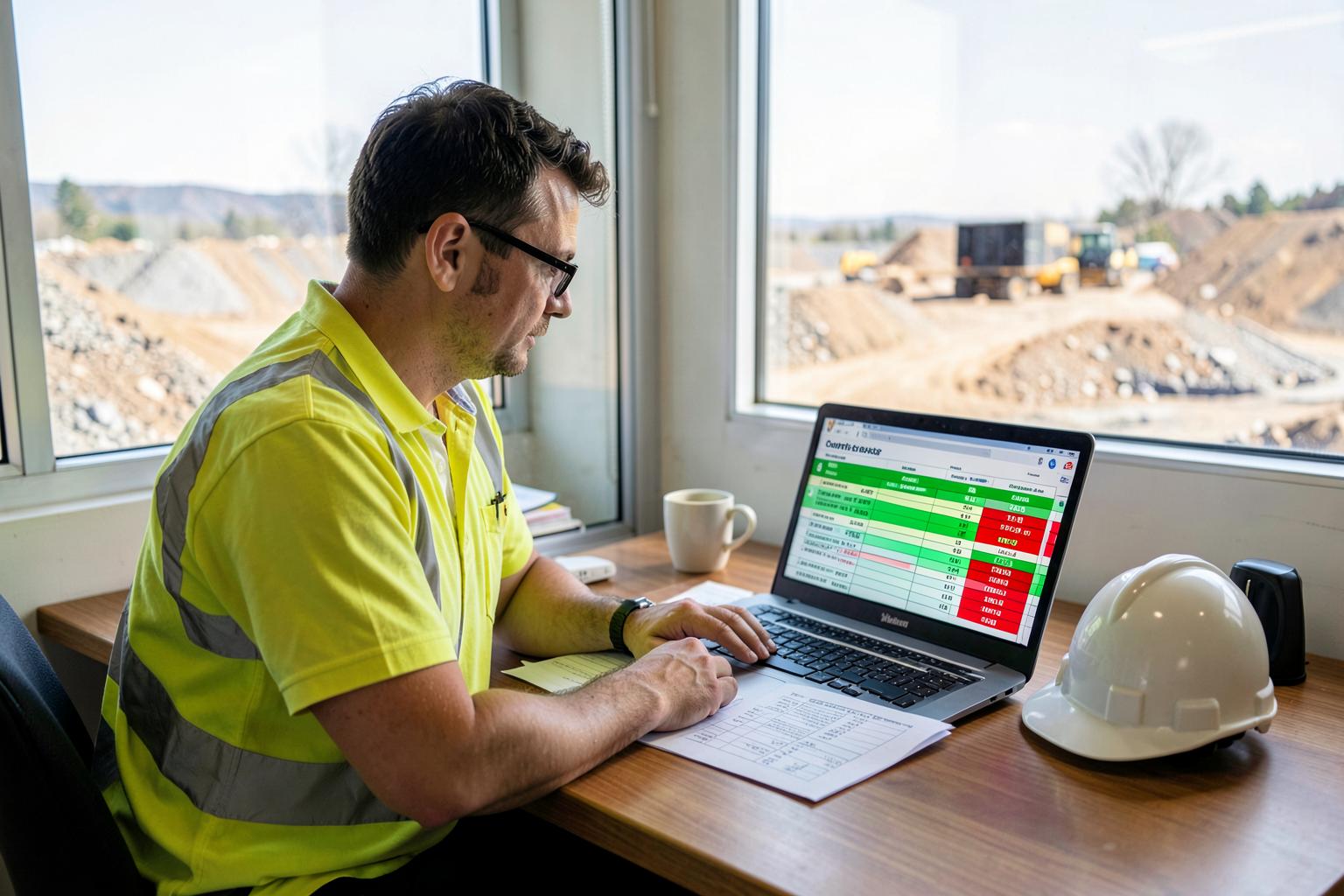
When licences live in one folder, medicals in an inbox and inductions in a spreadsheet, nobody can answer 'is this crew site ready?' without a day of digging.
No standby worker
One failed medical becomes a short crew because nobody else was cleared for that site.
A quick site readiness check before you mobilise
- Every named worker cleared against this site's requirement set, with evidence attached.
- Every expiry checked against the last day of the campaign, not day one.
- A cleared standby worker for each critical role.
- Prequalification approved, insurances current, SWMS accepted — not just submitted.
- Plant serviced, inspected, tagged and approved on the operator's plant register.
- Task-specific risk assessment written for this work area and ready to sign on.
- Permits, isolations, gate access and vehicle permits approved.
- Tools, consumables and spares on site before the crew arrives.
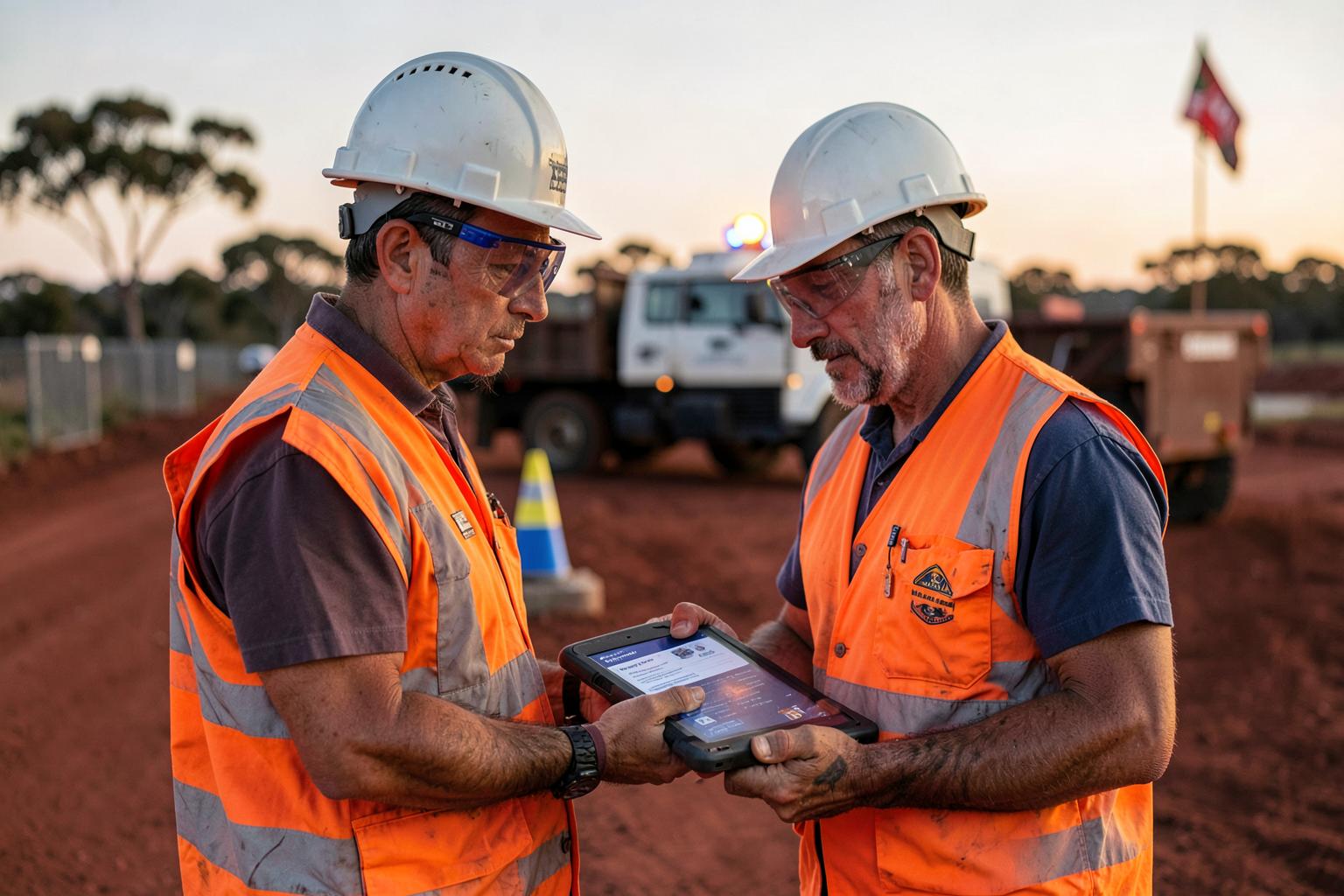
- One place where anyone can answer 'is this crew site ready?' in under a minute.
Related reading: How to know if a worker is compliant for site · What does mobilisation mean in mining · How to build a mobilisation schedule · How to digitise mining compliance paperwork · Staff management.
Site readiness — FAQs
This article is general information for Australian mining and heavy industry contractors, not legal advice. Requirements vary by site, state and role — confirm them with the site operator, your state regulator and your own WHS advisers.