What Is Basic Fatigue Management Training?
A guide to BFM training under Australia's Heavy Vehicle National Law — who needs it, what it covers, and how it applies beyond transport.
Quick Answer
Basic Fatigue Management (BFM) training is a nationally recognised program in Australia that teaches drivers and transport operators how to safely manage fatigue under the Heavy Vehicle National Law (HVNL). It allows eligible drivers to work more flexible hours than standard limits — provided they follow an approved fatigue management system.
Who Needs BFM Training?
BFM training is required for:
- Heavy vehicle drivers operating under BFM accreditation
- Transport operators and schedulers
- Fleet managers and supervisors
It is most commonly used in road transport but is also relevant for businesses managing long hours, shift work, or fatigue risk more broadly.
What Does BFM Accreditation Allow?
BFM provides more flexibility than standard driving hours, including:
Up to 14 hours
of work in a 24-hour period (vs. 12 standard)
Flexible scheduling
for work and rest periods
Greater efficiency
for long-distance transport
However, this flexibility comes with stricter compliance, monitoring, and record-keeping requirements.
What Is Covered in BFM Training?
1. Understanding Fatigue
- Causes and symptoms of fatigue
- How sleep, lifestyle, and work schedules impact alertness
2. Legal Responsibilities
- HVNL fatigue laws and compliance requirements
- Chain of Responsibility (CoR) obligations
3. Risk Management
- Identifying fatigue hazards
- Implementing control measures
- Managing high-risk scenarios
4. Work and Rest Requirements
- BFM work/rest hour limits
- Record keeping and work diaries
5. Fitness for Work
- Recognising when a worker is too fatigued to perform safely
- Reporting and escalation processes
Is BFM Training Mandatory?
Yes — BFM training is mandatory for any driver or operator working under BFM accreditation. To operate under BFM:
- The business must be accredited through the National Heavy Vehicle Regulator (NHVR)
- Drivers must complete approved training
- The company must have a documented fatigue management system
Without this, drivers must follow standard work and rest hour limits.
Why BFM Training Matters
Being awake for 17 hours can impair performance to the same level as a BAC of 0.05% — the legal driving limit in Australia. BFM training helps reduce risks including road accidents, delayed reaction times, poor decision-making, and serious workplace incidents.
Source: SafeWork SA →How Does BFM Apply Beyond Transport?
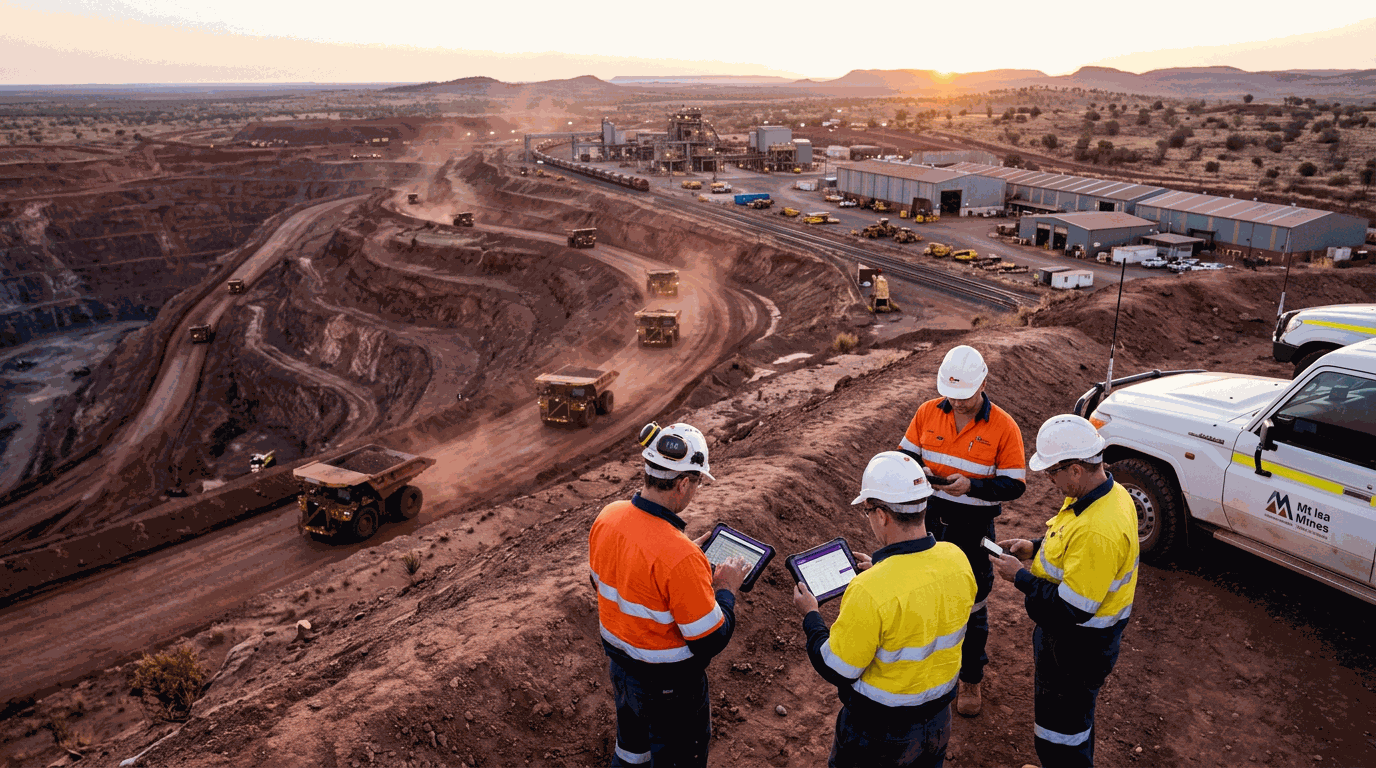
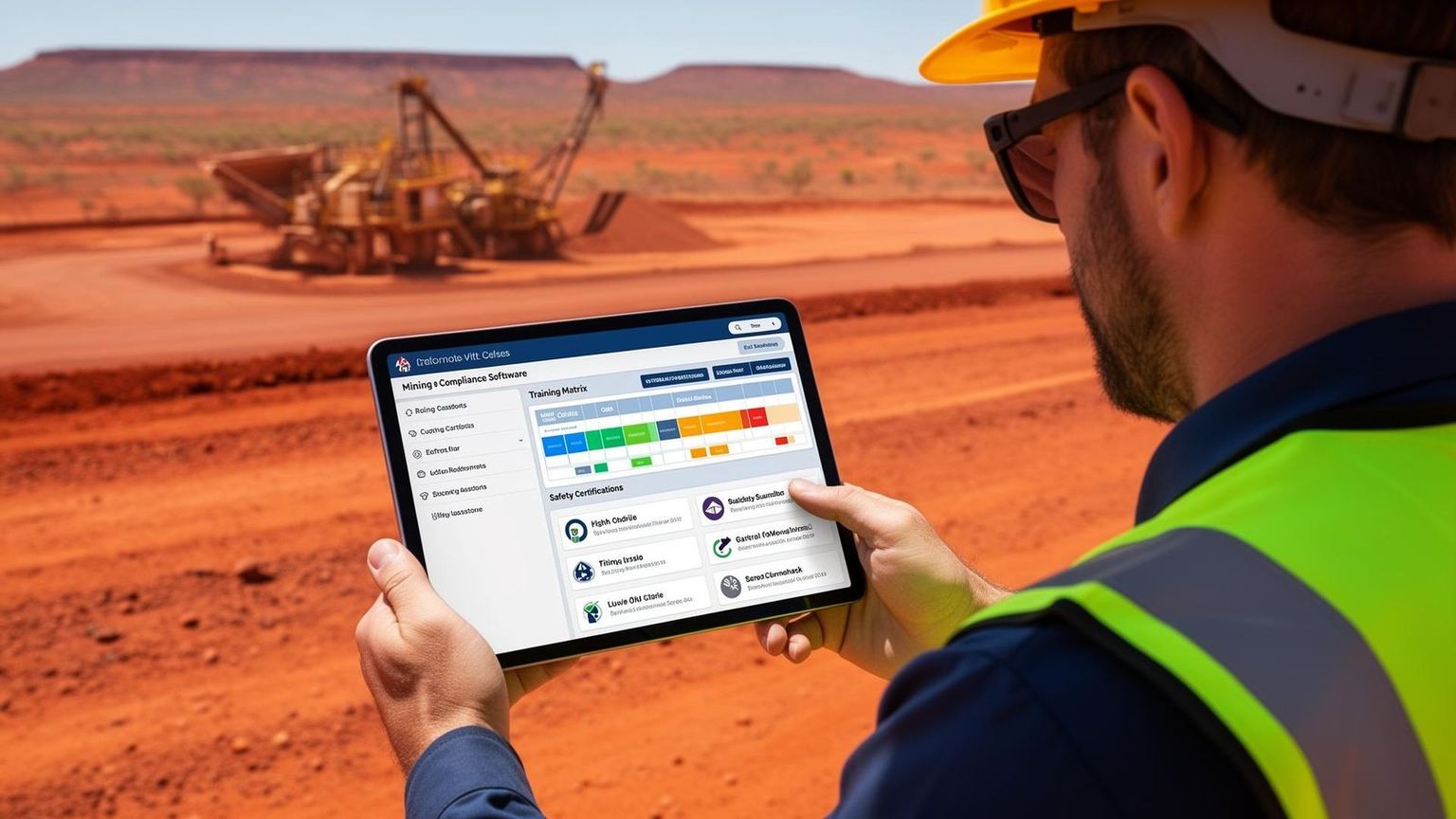
While BFM is specific to heavy vehicle operations, the principles apply across industries like:
Any business managing long shifts, remote work, or fatigue risk can benefit from applying similar fatigue management frameworks.
What Does Effective Fatigue Management Look Like in Practice?
Businesses that apply BFM principles effectively typically have:
- Structured rostering and scheduling systems
- Pre-start fatigue checks and reporting tools
- Clear policies and procedures
- Real-time visibility over worker fatigue risks
- Integrated safety and compliance systems
The Bottom Line
Basic Fatigue Management training is essential for businesses operating under BFM accreditation, providing the knowledge and systems needed to safely manage fatigue while allowing greater flexibility in work hours. Even outside transport, the principles of BFM play a critical role in improving safety, compliance, and performance across high-risk industries.
Manage Fatigue Compliance with SprintSuite
Track work hours, manage rosters, run digital pre-starts, and ensure fatigue compliance — all in one platform.
Frequently Asked Questions
Related Articles
Try the paper version of mining safety — then upgrade to something better.
A free, ready-to-use toolkit of hazard reports, pre-start checklists, fatigue templates and toolbox guides — built for Australian mining and heavy industry crews. Perfect for getting compliant fast, but you'll quickly see why teams move to SprintSuite to ditch the paperwork for good.
SprintSuite digitises every form in this toolkit — pre-starts, hazards, fatigue checks and toolbox sign-ons — with photo evidence, GPS, and instant supervisor alerts. No scanning. No lost forms. See the digital version →