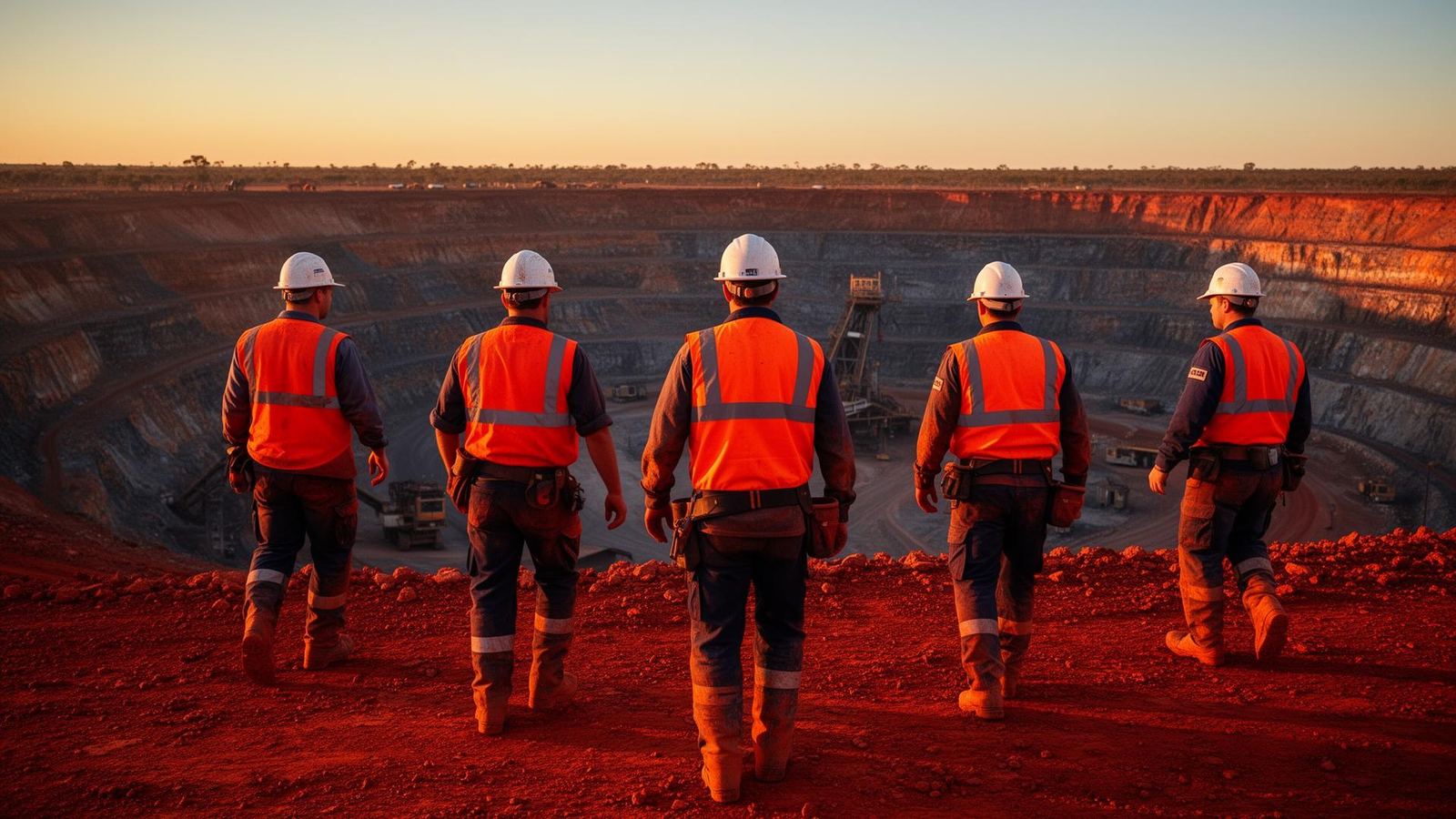
What Is Fatigue Management in Mining?
Fatigue management in mining refers to the systems, processes, and controls used to identify, monitor, and reduce fatigue-related risks across a workforce. This includes managing work hours and shift patterns, monitoring sleep and recovery opportunities, identifying high-risk tasks and environments, implementing policies and procedures for fatigue mitigation, and using technology to track, report, and manage fatigue risks in real time.
In high-risk industries like mining, fatigue is treated as a critical safety hazard — similar to working at heights or operating heavy machinery. Effective fatigue management isn't just about compliance — it's about protecting your people, improving operational performance, and ensuring your business remains Tier 1 ready.
Why Is Fatigue a Major Risk in Mining?
Fatigue directly impacts critical functions that are essential for safe mining operations:
0.05%
BAC equivalent impairment after just 17 hours awake
Studies show being awake for 17 hours impairs performance equal to the legal driving limit in Australia
In mining environments, where workers operate heavy equipment, manage hazards, and work in isolated conditions, this level of impairment can have serious consequences.
Common Causes of Fatigue on Mine Sites
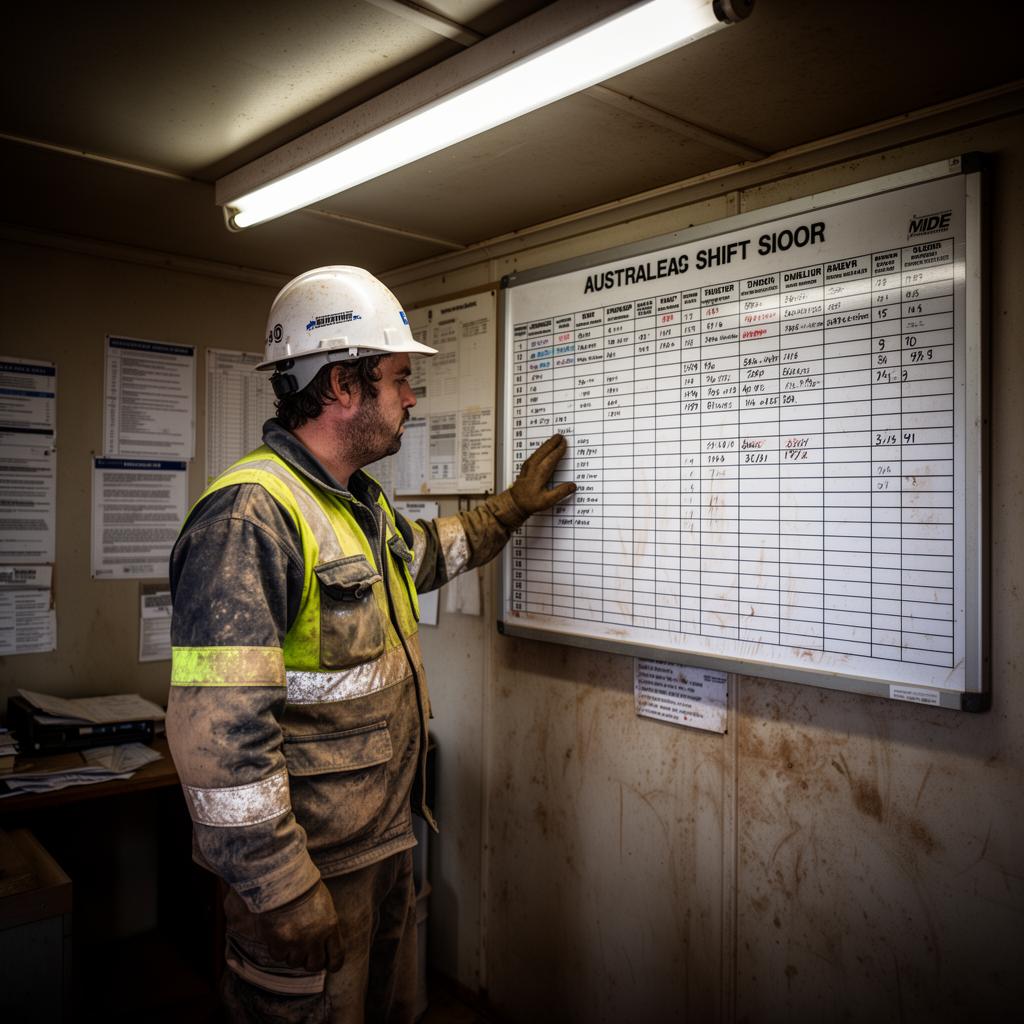
Fatigue in mining is rarely caused by one factor — it's usually a combination of workplace and lifestyle conditions:
Long Shifts and Extended Rosters
10–14 hour shifts combined with FIFO/DIDO swing rosters (e.g., 7/7, 14/7, 21/7) significantly increase fatigue exposure.
Remote Work Environments
Limited access to quality sleep environments and travel fatigue from flights and long drives to remote sites.
Night Shifts and Irregular Schedules
Disrupted circadian rhythms and reduced sleep quality from rotating or permanent night shift patterns.
Physically and Mentally Demanding Work
Heavy labour combined with high cognitive load — decision-making, hazard awareness, and continuous concentration.
Poor Sleep Quality
Accommodation conditions, noise, light, and shared facilities all contribute to inadequate rest and recovery.
What Are the Risks of Poor Fatigue Management?
Without proper controls, fatigue can lead to significant operational and safety consequences:
For contractors working with Tier 1 companies like BHP or Rio Tinto, poor fatigue management can also result in loss of contracts or site access.
Fatigue Management Regulations in Australia
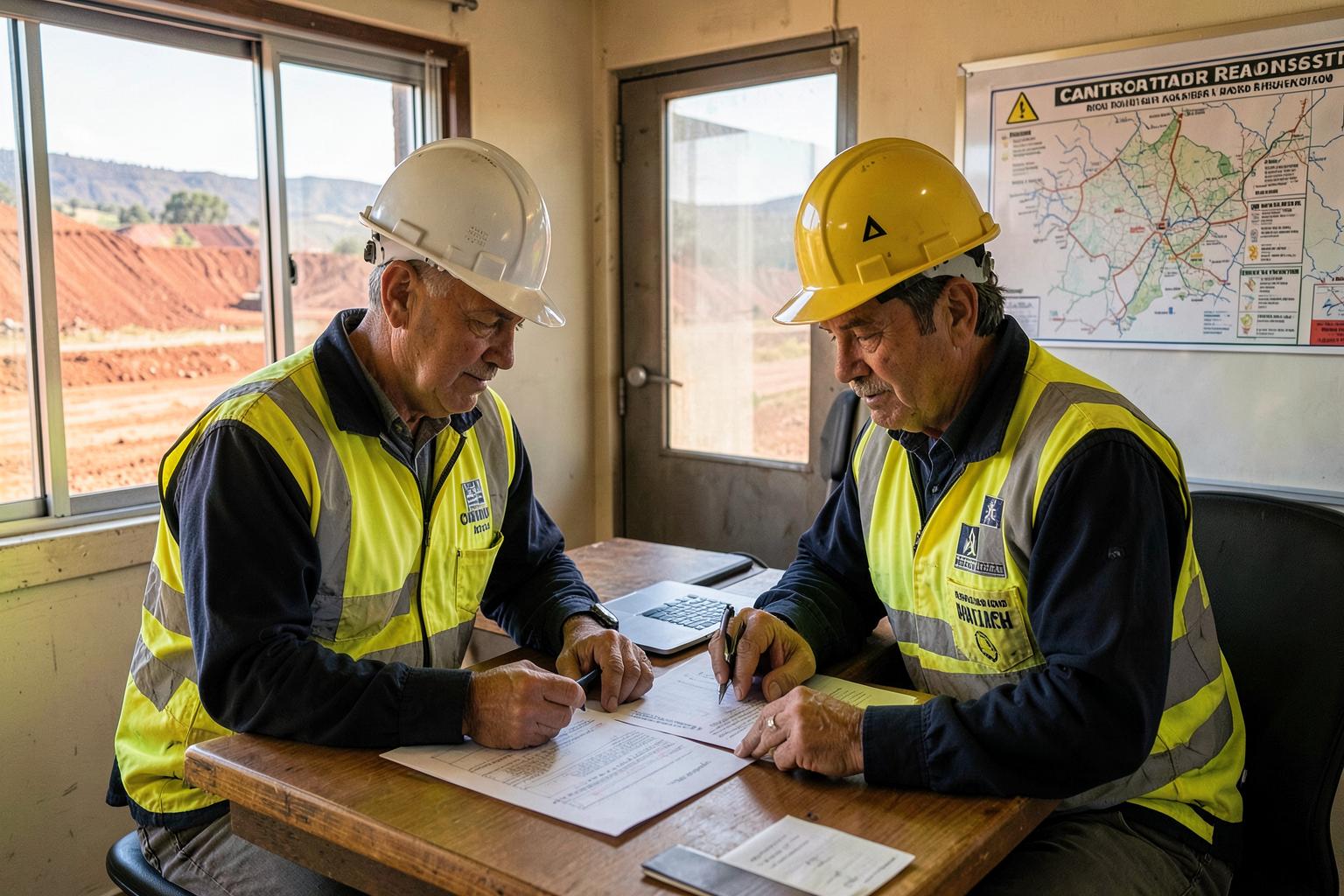
In Australia, fatigue is recognised as a workplace hazard under Work Health and Safety (WHS) laws. Employers have a legal obligation to:
Guidance is provided by regulators like Safe Work Australia and state-based bodies. Many mining companies also enforce strict internal fatigue policies as part of contractor compliance requirements. Learn more about how this connects with WHS & compliance software.
BHP & Rio Tinto Fatigue Management Policies
Australia's largest mining operators set the benchmark for fatigue management standards — and contractors working on their sites are expected to meet or exceed them. Understanding these policies isn't optional; it's a compliance requirement for any contractor seeking to win and retain work with major operators.
BHP's Fatigue & Fitness for Work Standard
BHP enforces one of the most rigorous fatigue management frameworks in the industry. Their Fitness for Work standard mandates maximum 12-hour shifts, a minimum 12-hour rest period between shifts, and strict limits on cumulative hours over rolling 14-day periods. All contractors on BHP sites must demonstrate compliance with these requirements through documented fatigue risk assessments, pre-start declarations, and real-time monitoring of work hours.
BHP also requires that contractors implement journey management plans for travel to and from site, recognising that driving while fatigued is a significant risk — particularly for FIFO workers after long swing rotations.
Learn more about BHP's safety & health standardsRio Tinto's Fatigue Risk Management
Rio Tinto's approach to fatigue management centres on their Safe Production system, which integrates fatigue risk controls into daily operations. Their framework requires contractors to implement bio-mathematical fatigue modelling where practical, conduct pre-start fatigue self-assessments, and maintain robust work hour tracking systems that flag breaches in real time.
Rio Tinto places particular emphasis on roster design as a primary control — requiring that rosters are reviewed against fatigue science principles before implementation. Contractors are expected to demonstrate that shift patterns minimise cumulative fatigue and allow for adequate recovery, especially during night shifts and extended swing rotations common across their Pilbara operations.
Learn more about Rio Tinto's safety frameworkWhy This Matters for Contractors
Non-compliance with major operator fatigue policies doesn't just risk safety incidents — it can result in contractor suspension, loss of site access, or termination of contracts. SprintSuite helps contractors stay compliant by automating work hour tracking, enforcing rest period rules, and generating audit-ready fatigue reports that align with both BHP and Rio Tinto requirements.
Key Components of an Effective Fatigue Management System
To manage fatigue effectively, businesses need a structured, system-based approach:
1. Risk Assessment
- Identify high-risk roles, tasks, and shifts
- Assess fatigue exposure across your workforce
2. Work Scheduling & Rostering
- Design rosters that allow adequate rest
- Limit excessive overtime and consecutive shifts
3. Fitness for Work Processes
- Pre-start checks and self-assessments
- Supervisor assessments for fatigue signs
4. Incident & Hazard Reporting
- Capture fatigue-related incidents
- Identify trends and recurring risks
5. Training & Awareness
- Educate workers on fatigue risks
- Promote sleep hygiene and recovery strategies
6. Monitoring & Reporting
- Track hours worked, overtime, and fatigue indicators
- Use data to improve decision-making
Want to see how SprintSuite helps manage fatigue risk across your operations?
Book a walkthrough and we'll show you how to track hours, manage rosters, and monitor fatigue compliance in one platform.
How Technology Improves Fatigue Management
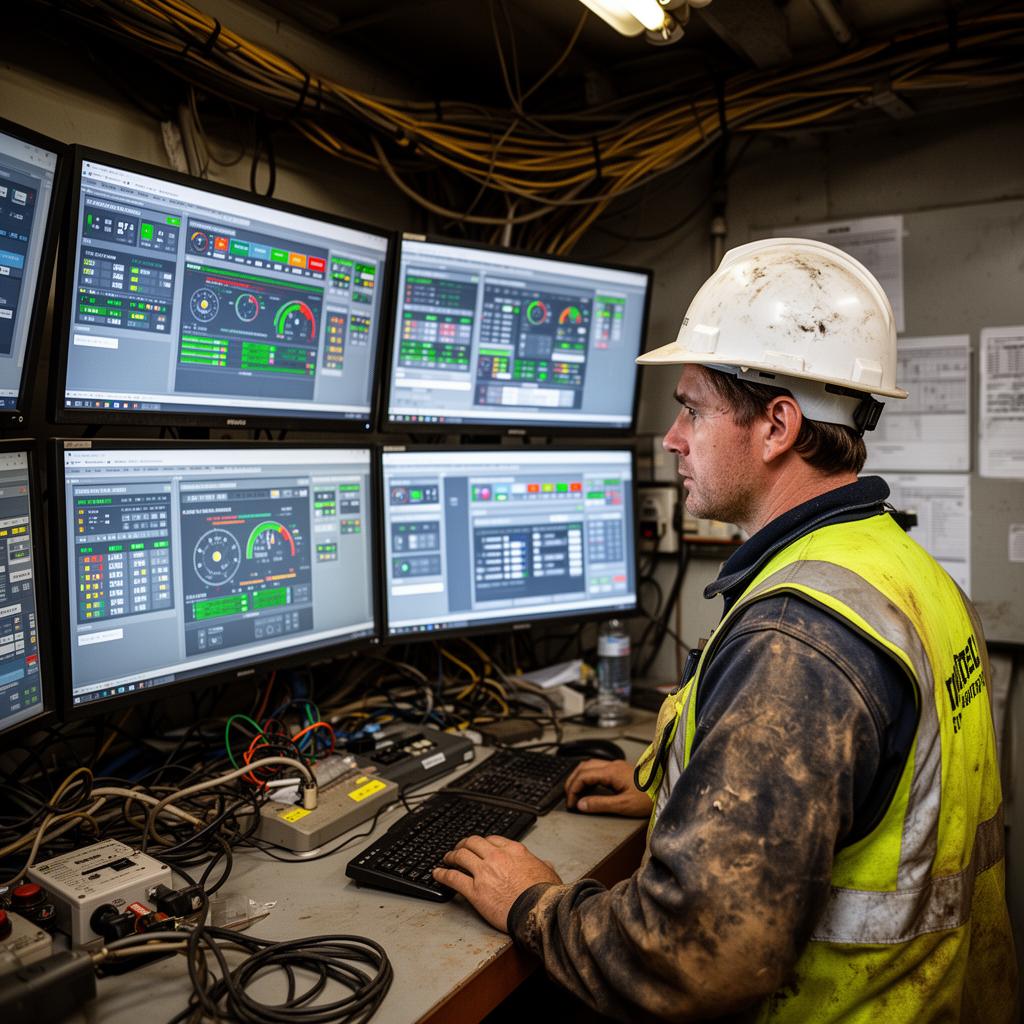
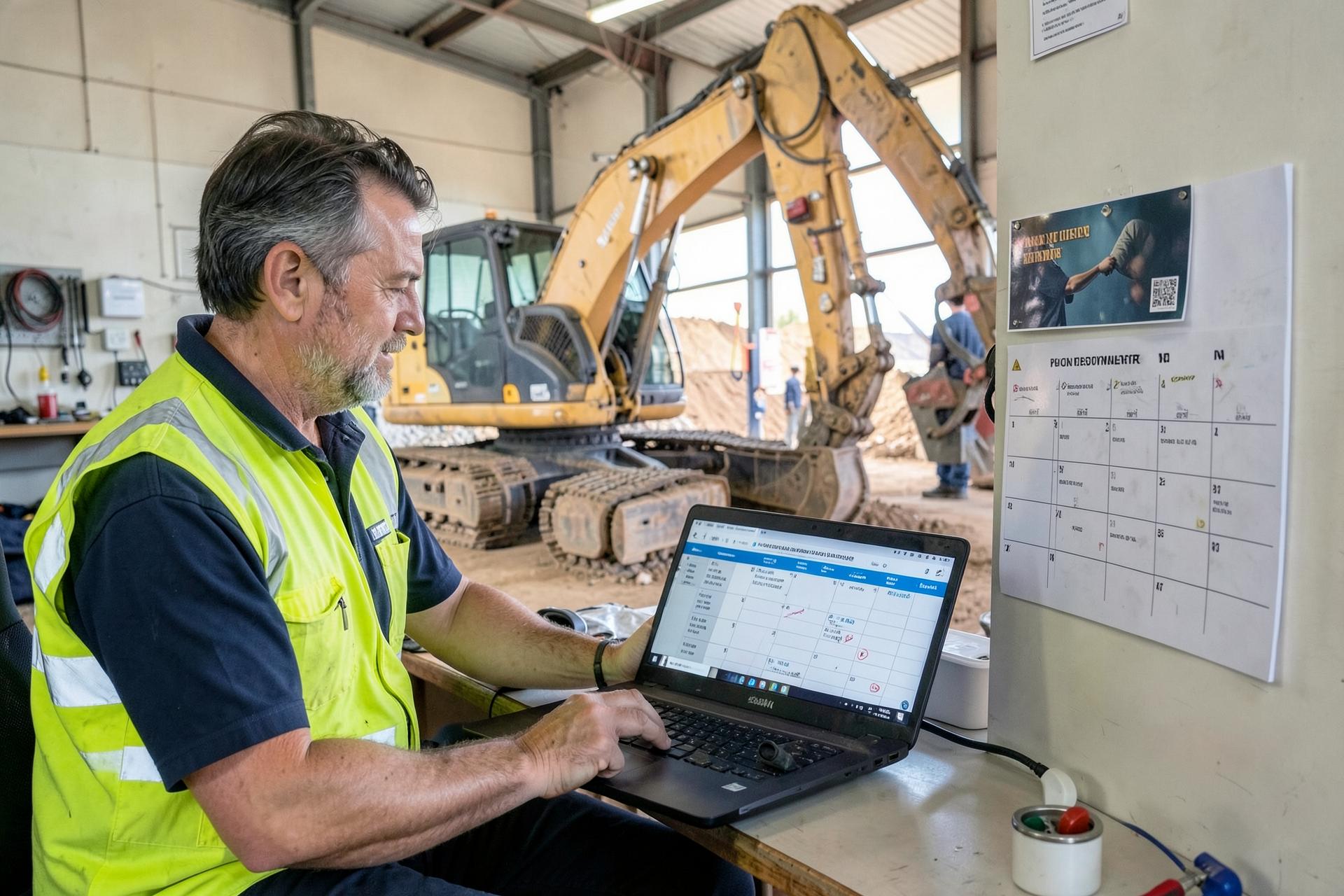
Manual fatigue management processes — paper forms, spreadsheets, reactive reporting — are no longer enough, especially for growing contractors. Modern systems like SprintSuite enable:
This allows operations managers and safety teams to move from reactive to proactive fatigue management — identifying risks before they become incidents.
Best Practices for Managing Fatigue on Site
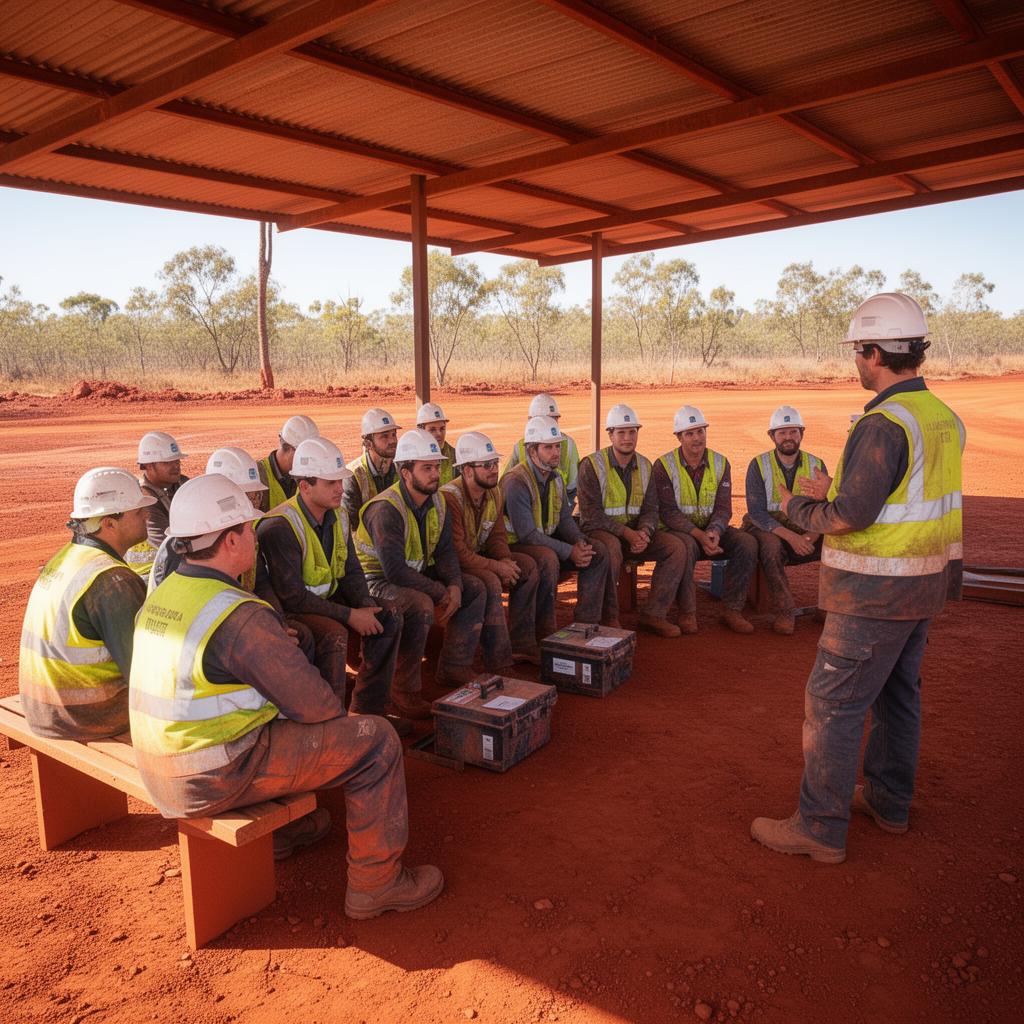
To reduce fatigue risk, leading mining contractors focus on these key areas:
Smarter Rostering
Balance work and rest cycles. Avoid excessive consecutive night shifts and ensure adequate recovery time between rosters.
Strong Pre-Start Processes
Include fatigue checks in daily pre-starts and encourage honest, non-punitive reporting of fatigue symptoms.
Clear Policies & Procedures
Define maximum work hours, set escalation processes for fatigue risk, and communicate expectations clearly.
Supervisor Training
Equip leaders to identify fatigue signs in their teams and empower them to act early — before incidents occur.
Data-Driven Decisions
Use reporting to identify trends, review fatigue data regularly, and continuously improve your systems.
Signs of Fatigue in Workers
Supervisors and teams should watch for these warning signs — early identification is critical to preventing incidents:
Creating a culture where workers feel safe to report fatigue — without fear of consequences — is essential for an effective fatigue management system.
How SprintSuite Supports Fatigue Management
SprintSuite provides an end-to-end system designed for mining and heavy industry contractors, helping you manage fatigue risk at every level:
By connecting your workforce, scheduling, and compliance systems, SprintSuite helps you reduce risk, improve safety, and stay contract-ready. Explore how this connects with planning & scheduling, staff management, and health & safety.
Key Features for Fatigue Management
Real-Time Hours Tracking
Track hours worked, overtime, and fatigue indicators across your entire workforce in real time.
Smart Rostering Controls
Design rosters that balance work and rest cycles, limit consecutive shifts, and flag high-risk schedules.
Integrated Pre-Start Checks
Include fatigue assessments in daily pre-start workflows completed on-site via mobile.
Fatigue Incident Reporting
Capture fatigue-related hazards, incidents, and near misses in real time with digital reporting.
Automated Risk Alerts
Receive automated alerts when schedules exceed safe working hours or fatigue thresholds are triggered.
Centralised Reporting
Track fatigue trends, generate compliance reports, and use data to improve decision-making across sites.
Fitness for Work Assessments
Self-assessment and supervisor assessments to verify workers are fit to perform duties safely.
Fatigue Management Software Across Australia
SprintSuite supports mining and engineering contractors managing fatigue risk across Australia's major resource regions. Whether you're managing shift fatigue in Mackay, coordinating FIFO rosters across the Pilbara, or ensuring compliance from Perth to Darwin.

Supporting mining and LNG contractors with fatigue management across the Top End.
Bauxite mining fatigue and roster management.
Copper and zinc mining fatigue management operations.
Bowen Basin coal mining fatigue management hub.
North Queensland mining fatigue and compliance.
Central Queensland mining fatigue management.
Head office fatigue management for national contractors.
Iron ore mining with complex FIFO fatigue requirements.
Mid-west mining fatigue management support.
Gold mining fatigue and roster management.
HQ for major mining companies managing fatigue with SprintSuite.
Coal mining fatigue and shift management.
Olympic Dam and regional mining fatigue management.
Mining engineering firms and contractor fatigue management.
Supporting Tasmania's mining fatigue management.
Related Reading
Latest Insights for Mining Safety & Fatigue
Frequently Asked Questions
Build a Safer, More Compliant Operation
Fatigue management isn't just a safety requirement — it's a competitive advantage. With the right systems in place, you can:
Manage Fatigue. Reduce Risk. Stay Contract-Ready.
See how SprintSuite can support your fatigue management strategy across every site.
Get in Touch
Have questions about fatigue management? Our team is ready to help.
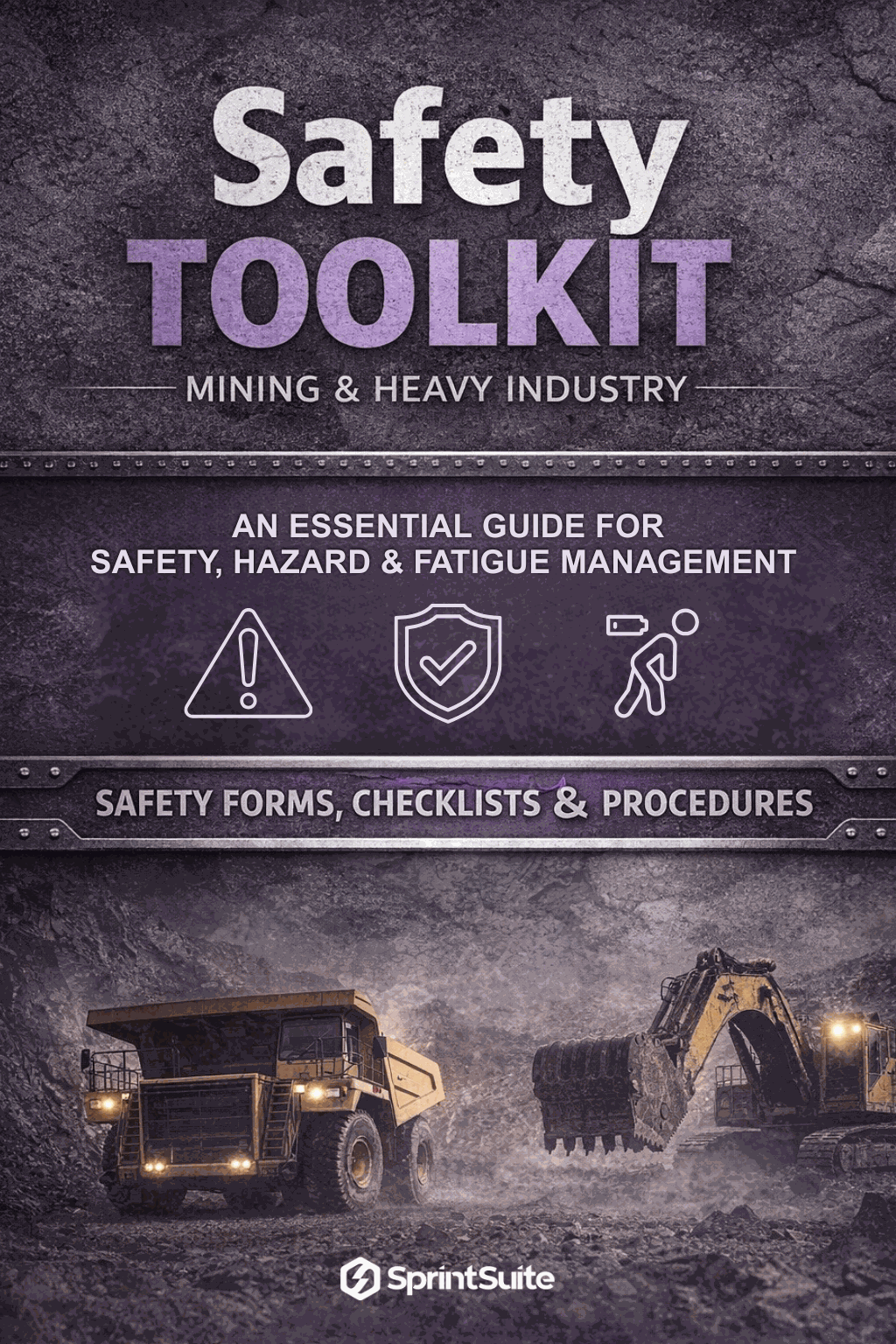
Try the paper version of mining safety — then upgrade to something better.
A free, ready-to-use toolkit of hazard reports, pre-start checklists, fatigue templates and toolbox guides — built for Australian mining and heavy industry crews. Perfect for getting compliant fast, but you'll quickly see why teams move to SprintSuite to ditch the paperwork for good.
SprintSuite digitises every form in this toolkit — pre-starts, hazards, fatigue checks and toolbox sign-ons — with photo evidence, GPS, and instant supervisor alerts. No scanning. No lost forms. See the digital version →