What Is Asset Compliance?
Asset compliance refers to ensuring that all equipment, vehicles, and tools meet required safety, legal, and operational standards. In industries like mining, construction, and field services, this is non-negotiable.
A solid asset management plan typically covers:
- Vehicle registration (rego)
- Scheduled inspections
- Servicing requirements and asset maintenance software schedules
- Certifications and compliance checks
Why Asset Compliance Matters in Mining & Heavy Industry
In high-risk industries, asset management in mining and construction is critical. Non-compliant assets can lead to:
Safety incidents
Faulty equipment puts workers at risk
Site shutdowns
Regulators can halt operations immediately
Failed audits
Missing records cause compliance failures
Lost contracts
Clients require compliant contractor operations
Even something as small as an expired inspection can have major consequences — making a reliable asset management system essential for any operation in asset management Australia.
How to Track Asset Compliance Effectively
To track asset compliance without missing expiry dates, you need an asset management platform or system that allows you to:
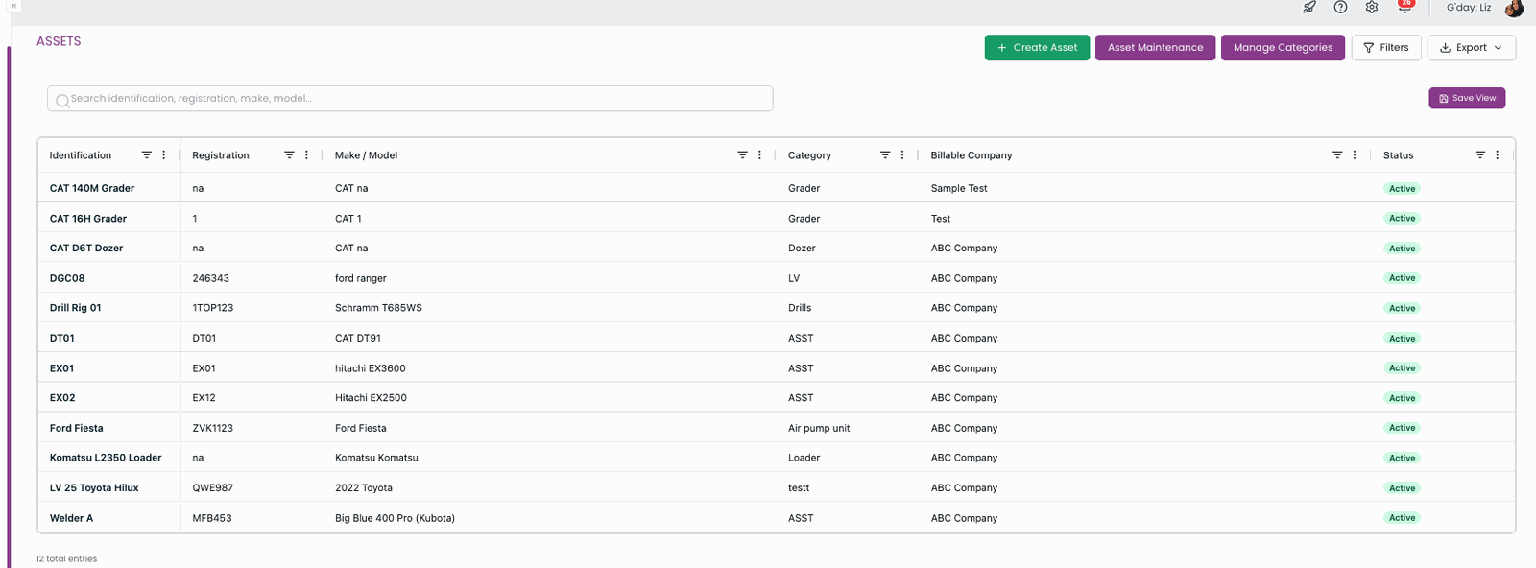
Create a centralised asset register
List all assets in one place — every vehicle, piece of equipment, and tool across every site. This is the foundation of any good asset management plan.
Assign compliance requirements
Attach specific requirements to each asset — registrations, inspections, servicing schedules, and certifications. The best asset management software tools make this simple to configure.
Track and monitor expiry dates
Use your asset management dashboard to see what's current, upcoming, and overdue at a glance. Colour-coded alerts help prioritise risks.
Set automated reminders
Asset management technology should send alerts before expiry dates so your team can act proactively, not reactively.
Store records and documentation
Keep compliance history, inspection reports, and supporting files stored digitally. This makes audits straightforward and eliminates paper trails.
The Problem with Spreadsheets & Manual Asset Tracking
Many businesses still rely on spreadsheets or even an asset management Excel template to track compliance. While this might work for a handful of assets, it creates serious issues as operations grow:
- Easy to miss expiry dates — no automated alerts
- No real-time visibility across teams
- Hard to manage asset management operations across multiple sites
- No audit trail or compliance history
- Version control issues — who has the latest file?
The bottom line: spreadsheets don't scale. As your asset management operations grow, these systems break down quickly, increasing the risk of compliance breaches.
What Good Asset Management Software Looks Like
Whether you're evaluating asset management software systems or upgrading from a manual process, a strong asset management platform should provide:
The best asset management software solutions combine all of this into a single asset management information system — giving your team one place to manage everything, whether they're in the office or on site using an asset management app.

Managing Asset Compliance Across Multiple Sites
This is where asset management technology really proves its value. When assets move between sites or projects, compliance can easily be missed. Records become inconsistent and visibility drops across teams.
The key is having a single source of truth — a cloud-based asset management software cloud solution that everyone can access in real time. This ensures:
- Consistent compliance records across all locations
- Real-time asset management dashboard visibility
- Reduced risk of assets falling through the cracks
- Simplified asset management plan execution across teams
Common Asset Compliance Examples
Your asset management planner should track all of these common compliance items:
Final Thoughts
Asset compliance isn't just about ticking boxes — it's about keeping your operations running safely and smoothly. The more visibility you have through your asset management system, the easier it is to stay ahead of risks, avoid downtime, and maintain compliance across your entire business.
Many contractors across asset management Australia are now moving away from spreadsheets to dedicated asset management software tools that give them real-time visibility over asset compliance — making it easier to stay ahead of expiry dates and site requirements.
Ready to Simplify Your Asset Compliance?
See how SprintSuite's asset management software helps mining and heavy industry contractors track compliance, automate alerts, and stay ahead of expiry dates.