Quick Answer
The MACA Cancer 200 — Ride for the Perkins is a two-day, 200km charity bike ride in Perth on 17 and 18 October 2026, raising money for cancer research at the Harry Perkins Institute. Key facts:
- Dates: Saturday 17 and Sunday 18 October 2026
- Where: Perth, Western Australia — new city hub at The Kingsman, Langley Park precinct
- Distance: 200km over two days, fully supported (not a race)
- Cost: Around $50 registration plus a $2,500 minimum fundraising commitment per rider
- Raises money for: Harry Perkins Institute of Medical Research — all funds stay in WA
- Milestone: 15th anniversary of the ride; the 2025 event raised $8.25 million
What is the MACA Cancer 200 bike ride?
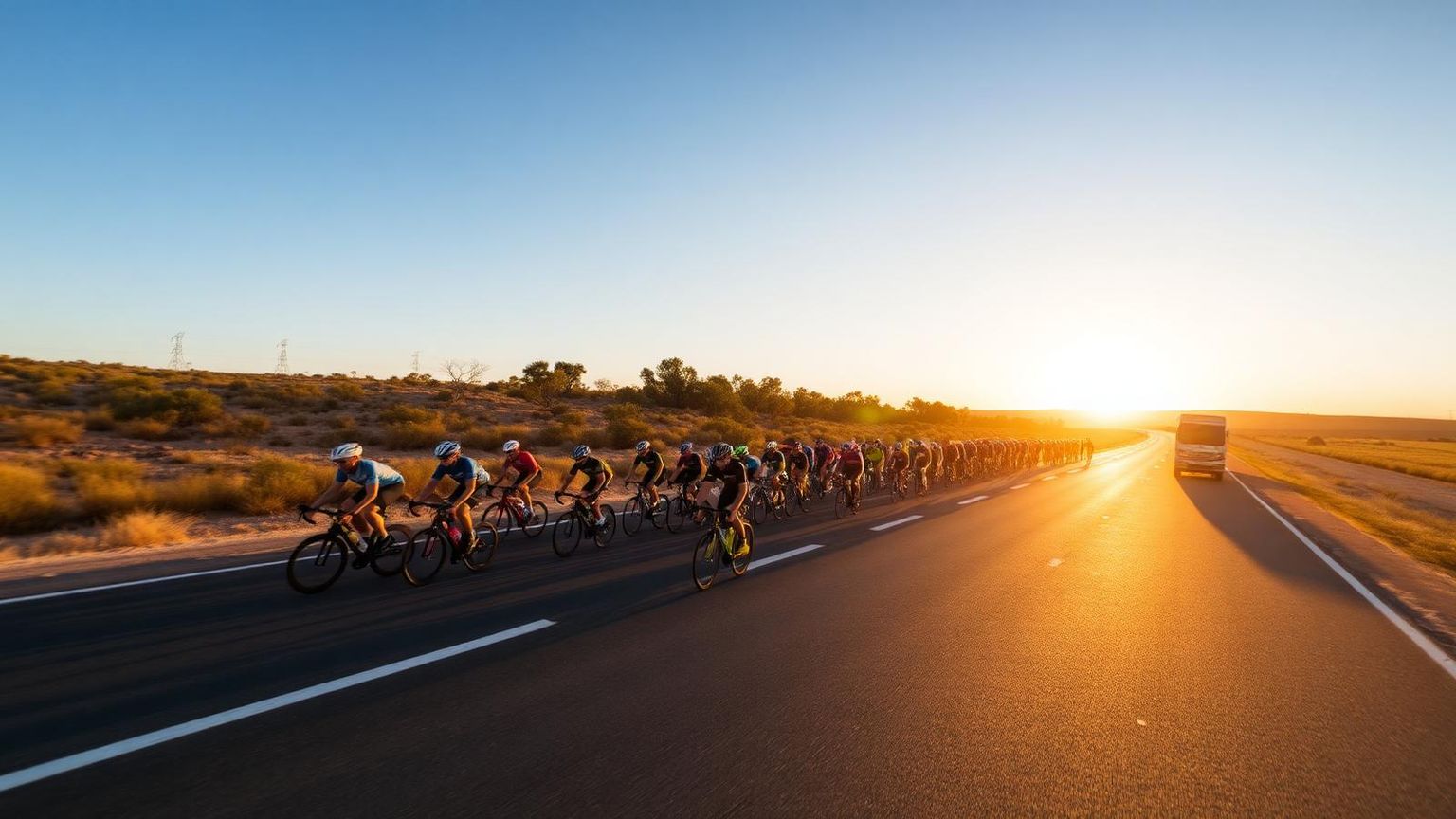
The MACA Cancer 200 — Ride for the Perkins is a two-day, 200km charity cycling event held in Perth, Western Australia, raising money for cancer research at the Harry Perkins Institute of Medical Research. It is fully supported, meaning rest stops, catering, mechanical support, medical cover and overnight camp are all provided. It is not a race — riders of very different abilities finish the same route, and the entry requirement is fundraising rather than speed.
When is the MACA Cancer 200 in 2026?
The 2026 ride is held on Saturday 17 and Sunday 18 October 2026. Riders complete roughly half the 200km on each day, camping overnight before finishing on the Sunday. 2026 marks the ride's 15th anniversary, and the event moves to a new, more central city location at The Kingsman in the Langley Park precinct — the same riverfront strip that hosts several of Perth's major mining industry events.
How much does it cost to enter?
Registration itself is low — around $50, with the organisers regularly releasing half-price and free-registration windows to open the field. The real commitment is the $2,500 minimum fundraising target per rider. That figure is what makes the event work: registration covers almost none of the ride's cost, and the fundraising is the point. Most riders clear it through workplace campaigns, team pages and matched giving rather than personal donations alone.
Where does the money actually go?
Every dollar raised stays in Western Australia and funds cancer research at the Harry Perkins Institute of Medical Research. The 2025 ride raised $8.25 million, and the event has become one of the largest single fundraising events in the state. Money funds researcher salaries, laboratory equipment and clinical trial capacity — the kind of long-horizon work that is hard to fund from grant cycles alone.
Why is a mining company the naming sponsor?
MACA Limited is a Western Australian contract mining, crushing and civil infrastructure business, and it has held naming rights on the ride for well over a decade. That sponsorship pulled the WA resources sector in behind the event: mining contractors, OEM dealers, drilling companies, labour hire firms and equipment suppliers now make up a large share of the team entries. If you work in WA resources, there is a good chance a client, a supplier or a competitor already has a team on the road.
How mining contractors enter a company team
Register a team on the official event site, nominate a captain and set a combined target. Practically, the businesses that do this well start recruiting riders around six months out, run a single shared fundraising page alongside individual rider pages, and commit to matching a portion of what staff raise so the $2,500 per head is never a personal burden. Branded jerseys and a support vehicle turn it into a visible piece of company culture rather than a private hobby.
How much training does 200km actually take?
For someone who already rides, 200km over two days is a solid but achievable weekend. For someone starting from nothing, allow four to six months. The pattern that works is two or three short weekday rides plus one longer weekend ride, building to a 70-100km day about a month out. Riders on FIFO rosters usually pair a stationary trainer on swing with longer road rides at home. A road bike or gravel bike in good order is expected, along with a helmet and basic roadworthiness.
Supporting the ride without riding
The ride runs on volunteers as much as riders. Crew roles cover rest stops, catering, camp setup, mechanical support, logistics and marshalling, and they are a good fit for people who want the weekend without the saddle. Businesses also contribute vehicles, trailers, mechanical labour and catering in kind. Straight donations to a rider or team page over $2 are tax deductible.
Where it sits in the WA calendar
17-18 October puts the ride in a busy stretch of the Western Australian resources calendar, shortly before IMARC in Sydney (27-29 October), the Mine Electrical Safety Conference WA and AusIMM Strategic Mine Planning (17-19 November, Perth) and the Mines Emergency Response Competition (27-29 November, Langley Park). For WA contractors, October to November is effectively the industry's community and networking season — the same faces turn up across all of it.
The admin side nobody plans for
A company team means rider lists, jersey sizes, waivers, fundraising totals, matched-giving approvals and a support vehicle roster — and it usually lands on whoever runs the office. It is the same problem as a mobilisation: lots of people, lots of documents, lots of dates. Businesses that already keep worker records, certifications and scheduling in one system instead of a folder of spreadsheets find the community side of the year takes far less out of them.
MACA Cancer 200 2026 at a glance
| Detail | 2026 |
|---|---|
| Event name | MACA Cancer 200 — Ride for the Perkins |
| Dates | Saturday 17 and Sunday 18 October 2026 |
| Location | Perth, Western Australia — 2026 moves to a new city hub at The Kingsman, Langley Park precinct |
| Distance | 200km over two days, fully supported |
| Milestone | 15th anniversary of the ride |
| Beneficiary | Harry Perkins Institute of Medical Research — all funds stay in Western Australia |
| Registration | Around $50, with discounted early-bird and free-registration windows released periodically |
| Fundraising minimum | $2,500 per rider |
| 2025 result | $8.25 million raised |
| Naming-rights sponsor | MACA Limited — the WA contract mining and civil business |
Registration pricing and route detail change through the year. Confirm current fees, cut-off dates and the final route at cancer200.org.au before committing a team.
Six ways a business can get behind the ride
| Option | What it involves |
|---|---|
| Ride | Enter as an individual or a company team and commit to the $2,500 fundraising minimum |
| Crew and volunteer | Rest-stop, catering, logistics, mechanical and marshalling roles run the whole weekend — no bike required |
| Sponsor a team | Cover jerseys, registration or training costs for your riders as a marketing and culture spend |
| Donate | Donate directly to a rider or team page; donations over $2 are tax deductible |
| Match staff fundraising | Dollar-match what your crews raise — common across WA mining suppliers and a fast way to clear the minimum |
| Supply gear or services | Vehicles, trailers, mechanical support and catering are all in-kind contributions the organisers use |
Frequently asked questions
Related reading: Australian mining events 2026 · Mines Emergency Response Competition (MERC) 2026 · Mine Electrical Safety Conference WA 2026 · AusIMM Strategic Mine Planning Conference 2026 · What is a contractor management system?