Feature
Prove delivery, not intent
Tier-1 NSW clients re-award work to contractors whose records match the site's own. That is a systems question long before it is a sales question.
What Tier-1 miners expectRunning a mining contracting business in New South Wales? This is the software, resources and practical information for the people doing the work — from the Hunter Valley open cuts to Cobar, Cadia and the Southern Coalfields.
IMARC 2026Meet us in Sydney, 27–29 October — ICC SydneyDownload the SprintSuite brochure
TRUSTED INTEGRATIONS AND PARTNERS
 BHP
BHP Rio Tinto
 WesTrac
 Bunnings
 Bennco Group
 DGC Engineering
 KBSS
KBSS AWE
AWE Chauvel
 Level 5
 WorkpacBHPRio TintoWesTracBunningsBennco GroupDGC EngineeringKBSSAWEChauvelLevel 5Workpac
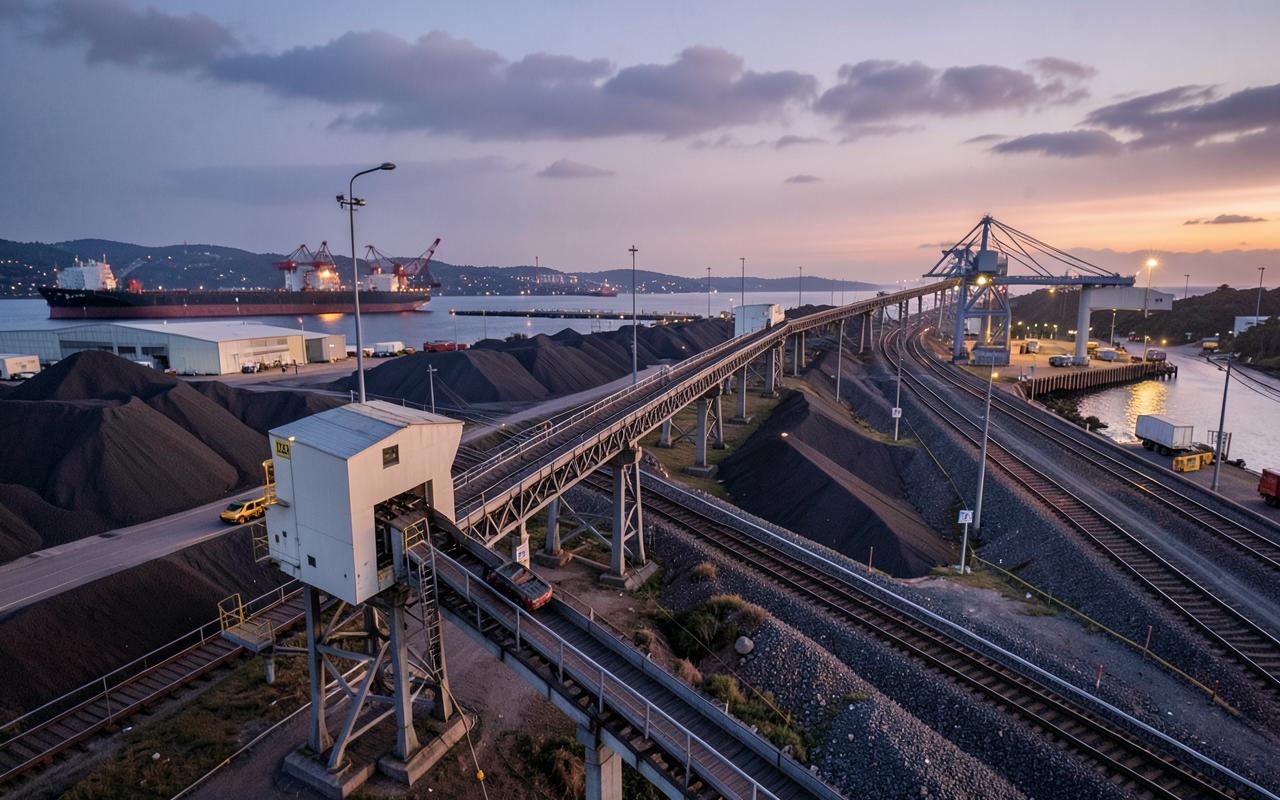
New South Wales mining is dominated by coal — the Hunter Valley, the Gunnedah Basin and the Southern Coalfields — alongside a significant gold and copper sector in the Central West and base metals at Cobar and Broken Hill. Most of the state's export tonnage moves through the Port of Newcastle and Port Kembla. For contractors, that means a small number of dense work clusters, a very high compliance bar set by NSW mining WHS legislation, and clients who expect systems evidence rather than promises.
The landscape
The NSW mining industry is not one market. Coal in the Hunter runs on shutdown cycles, huge fleets and Black Coal Award conditions. Underground metalliferous work in the Central West and Cobar runs on permits, isolations and long crew rotations. Port and rail work in Newcastle and Port Kembla runs on short access windows and heavy documentation.
If you contract in mining in New South Wales, your business model is usually a blend: a couple of anchor maintenance contracts, seasonal shutdown peaks, and opportunistic breakdown work. The operational problem that follows is always the same one — knowing what the crew actually did, on which site, against which client rate, before the invoice window closes.
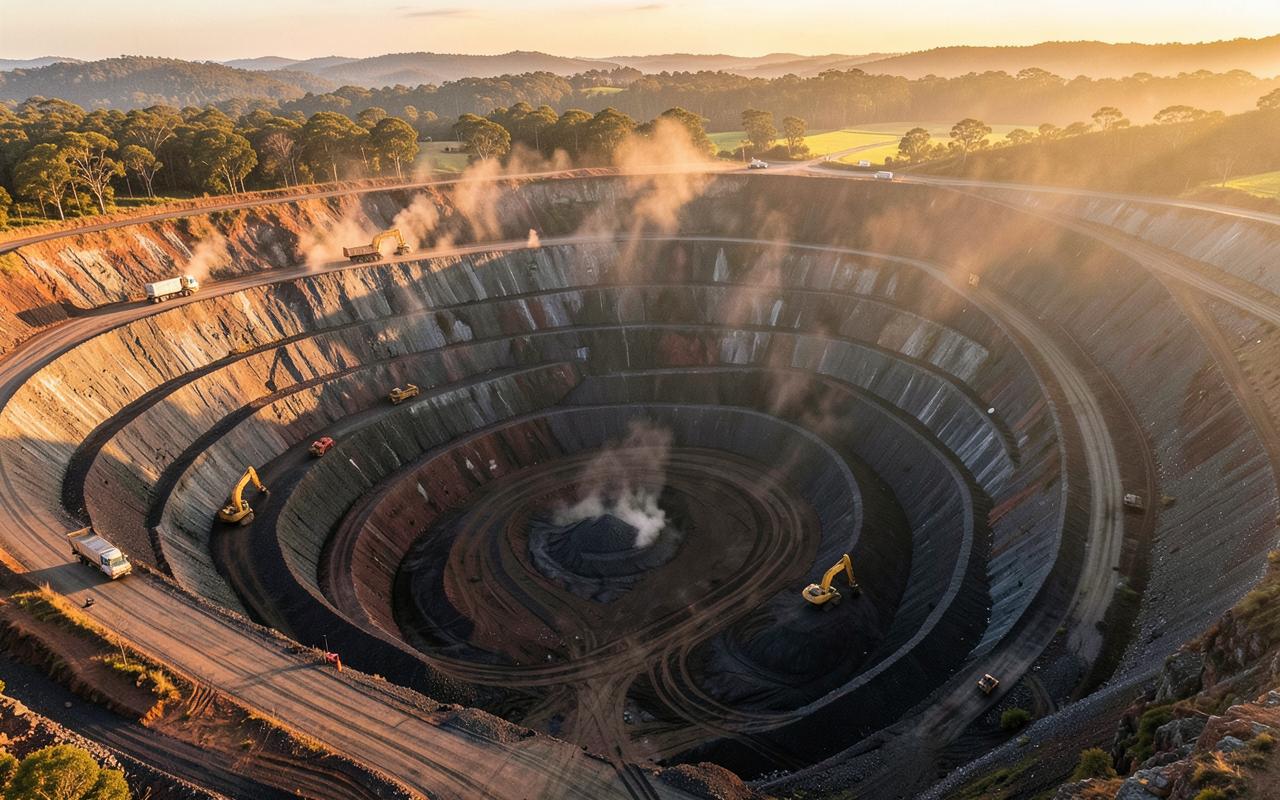
Open-cut and underground coal across the Hunter, Gunnedah Basin, Lithgow and Illawarra. High-volume maintenance, shutdowns and civil support work.
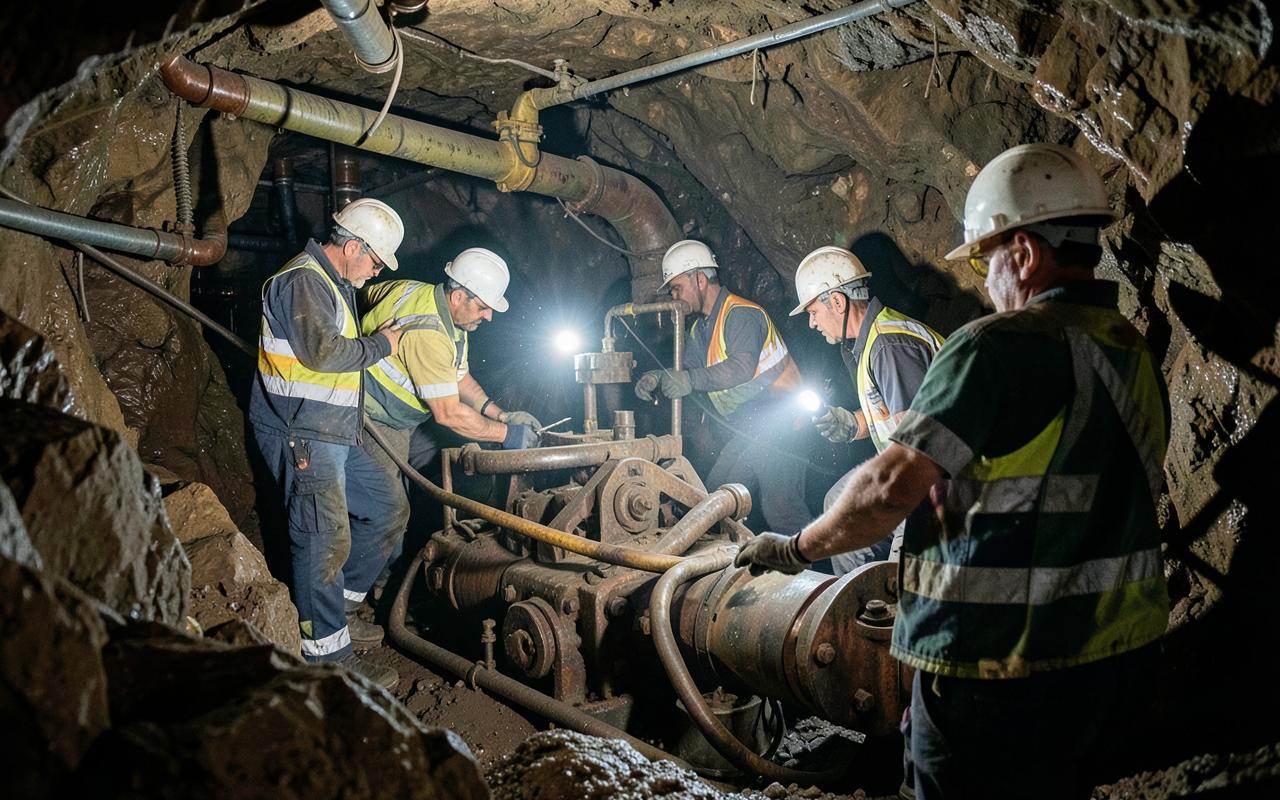
Cadia and Northparkes in the Central West, copper at Cobar, and the Broken Hill field. Processing plant and underground services work.
Newcastle and Port Kembla terminals, rail corridors and steel and fabrication precincts feeding the same contractor base.
Compliance chapter
NSW has its own mining safety regime and its own award landscape. This is the part of the business that most often fails an audit — not because contractors are unsafe, but because the paperwork lives in four places. Check the current requirements with the NSW Resources Regulator and Fair Work Australia.
NSW mine sites operate under state-specific mining WHS legislation on top of the general WHS Act. Contractors are expected to show their own safety management system, hazard reporting, incident records and evidence that workers were inducted before they went underground or on the bench.
On the ground
People searching for a NSW mining map usually want one of two things: where the mine sites in NSW actually are, or who operates them. Contractors want a third thing — which of those sites are realistically serviceable from their base, and what it takes to get through the gate.
The NSW Government publishes the authoritative spatial data through the Mining, Exploration and Geoscience division and its MinView mapping tool, including tenements, operating mines and exploration titles. Use it for the geography; use the notes below for the commercial reality.
The miners whose sites, supplier portals and standards shape most NSW contract work.
Glencore
Hunter Valley & Gunnedah coal

BHP
Mount Arthur, Muswellbrook

Whitehaven Coal
Narrabri, Maules Creek

Yancoal
Hunter & Central West
Newmont Cadia
Central West gold & copper
CMOC Northparkes
Parkes copper & gold

Peabody
NSW coal
Centennial Coal
Western & Lake Macquarie coal

Malabar Resources
Maxwell, Upper Hunter

South32
Illawarra metallurgical coal
On site
Whether you are labour hire, a mechanical and maintenance provider, a civil contractor, a fabrication shop or a specialist services business, the same four things decide whether you keep the contract.
Crew, plant, tickets and permits lined up before mobilisation. One turned-around worker costs a day of billable work and a conversation with the superintendent.
Pre-starts, hazard reports, hours, plant readings and photos taken on the phone at the job, not written on a docket that arrives on Friday.
Schedule of rates, variations and extras claimed with the field record attached. Unbilled hours are the single largest silent loss in contract mining services.
Labour, plant, consumables and subcontract cost against each job while it is still running, so you can re-price the next one honestly.
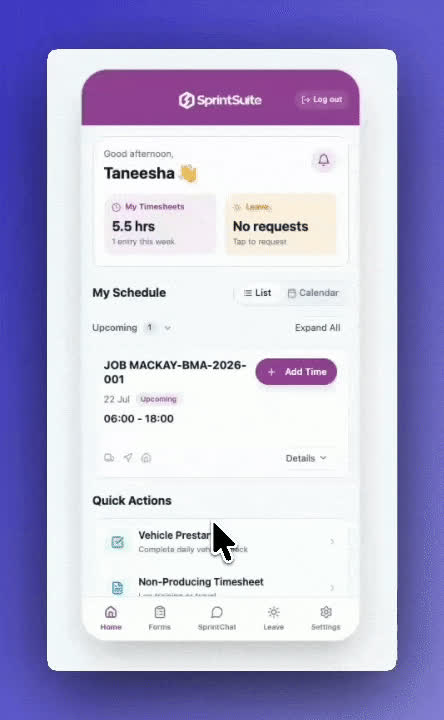
SprintSuite Field App
Hours, hazards, photos and sign-offs captured on site — even without coverage — and attached to the job before the invoice goes out.
Region explorer
Tap a region to see what is mined there, which towns you will be working out of, and what it changes about how you run crews and jobs.
Thermal and semi-soft coking coal
Australia's densest cluster of open-cut coal operations. Maintenance, shutdown, labour hire and civil contractors work multiple sites in a single week, all under Black Coal Award conditions.
Winning work
Tier-1 NSW clients re-award work to contractors whose records match the site's own. That is a systems question long before it is a sales question.
What Tier-1 miners expectThe SprintSuite platform
SprintSuite is the operating system NSW mining contractors use to run the whole cycle — quote, schedule, execute, prove, invoice, pay. Click through to see each part working.
Quotes, jobs, variations and cost against each site contract, so a Hunter shutdown and a Cobar breakdown sit in the same board with the same numbers.
Explore job management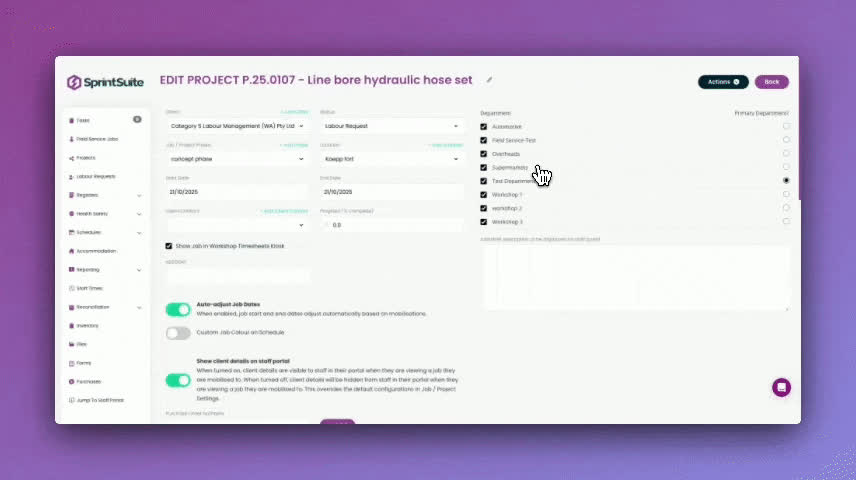
IMARC (International Mining and Resources Conference) runs 27–29 October 2026 at ICC Sydney — the largest mining event held in NSW. It is where operators, Tier-1 miners, service contractors and technology suppliers meet, so it is the easiest place for NSW-based contractors to see how other businesses handle scheduling, field work, compliance and job costing.
Direct access to Hunter Valley, Central West and Gunnedah Basin decision makers without travelling interstate.
Your current pain points: double-handled timesheets, shutdown scheduling, prestart compliance and cost visibility.
Book a short session with our team and walk through jobs, scheduling, field updates and invoicing.
Further reading
Guides written for contractors working NSW and neighbouring coal and metalliferous regions.
Newcastle and Hunter Valley contractor softwareMount Arthur coal mine: contractor guide Whitehaven Coal: a contractor's guideGlencore: what contractors need to know
 NSW Mining HSEC Conference 2026IMARC 2026 Sydney: meet SprintSuiteNSW Mining HSEC Awards entry guideShutdown management for mining contractorsWhat Tier-1 miners expect from contractors
FAQs
We will walk through your NSW client mix, your sites and your award setup, and show you what the first month on SprintSuite looks like.
Software and guides for contractors working mine sites across New South Wales and the rest of Australia.