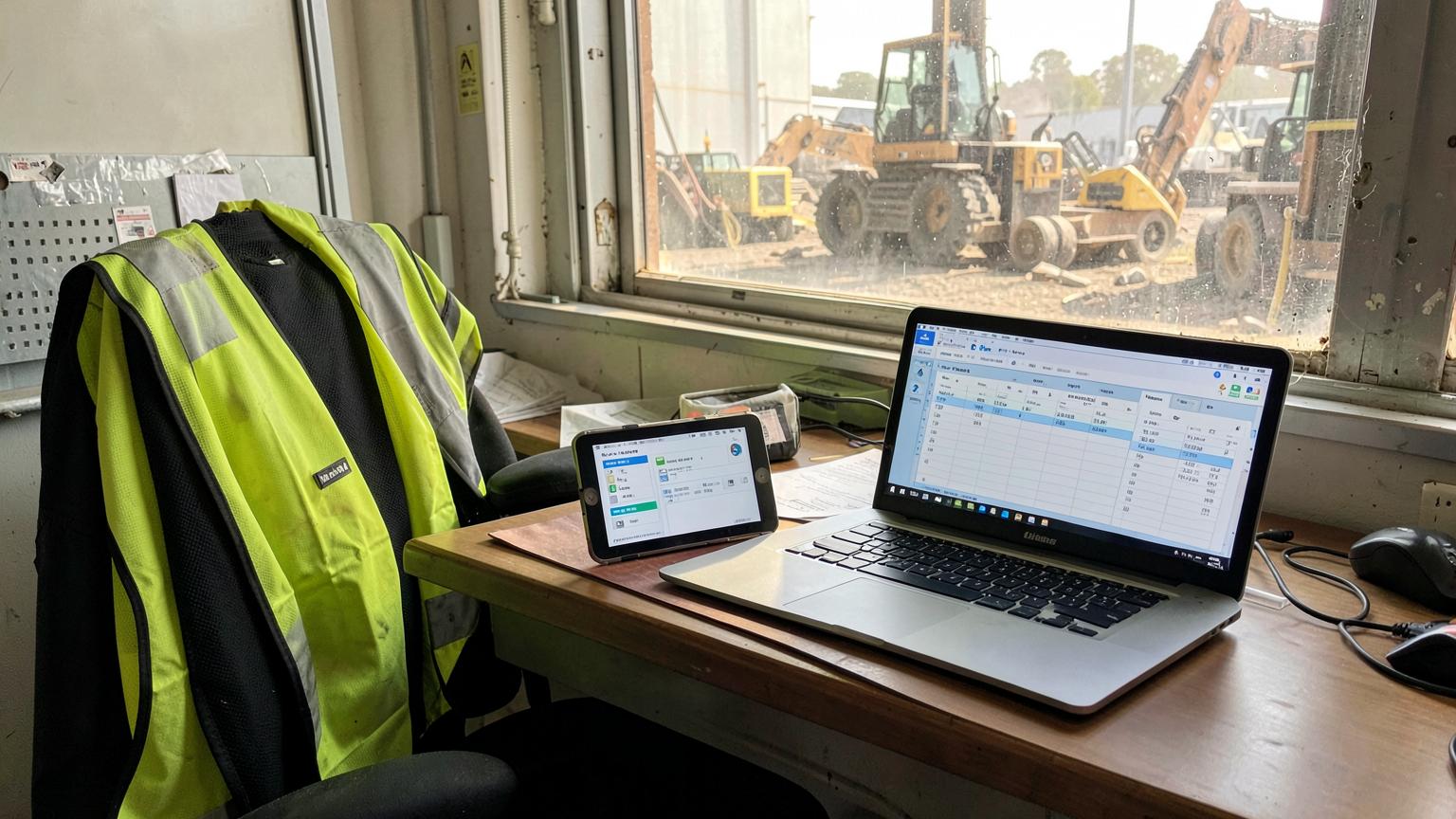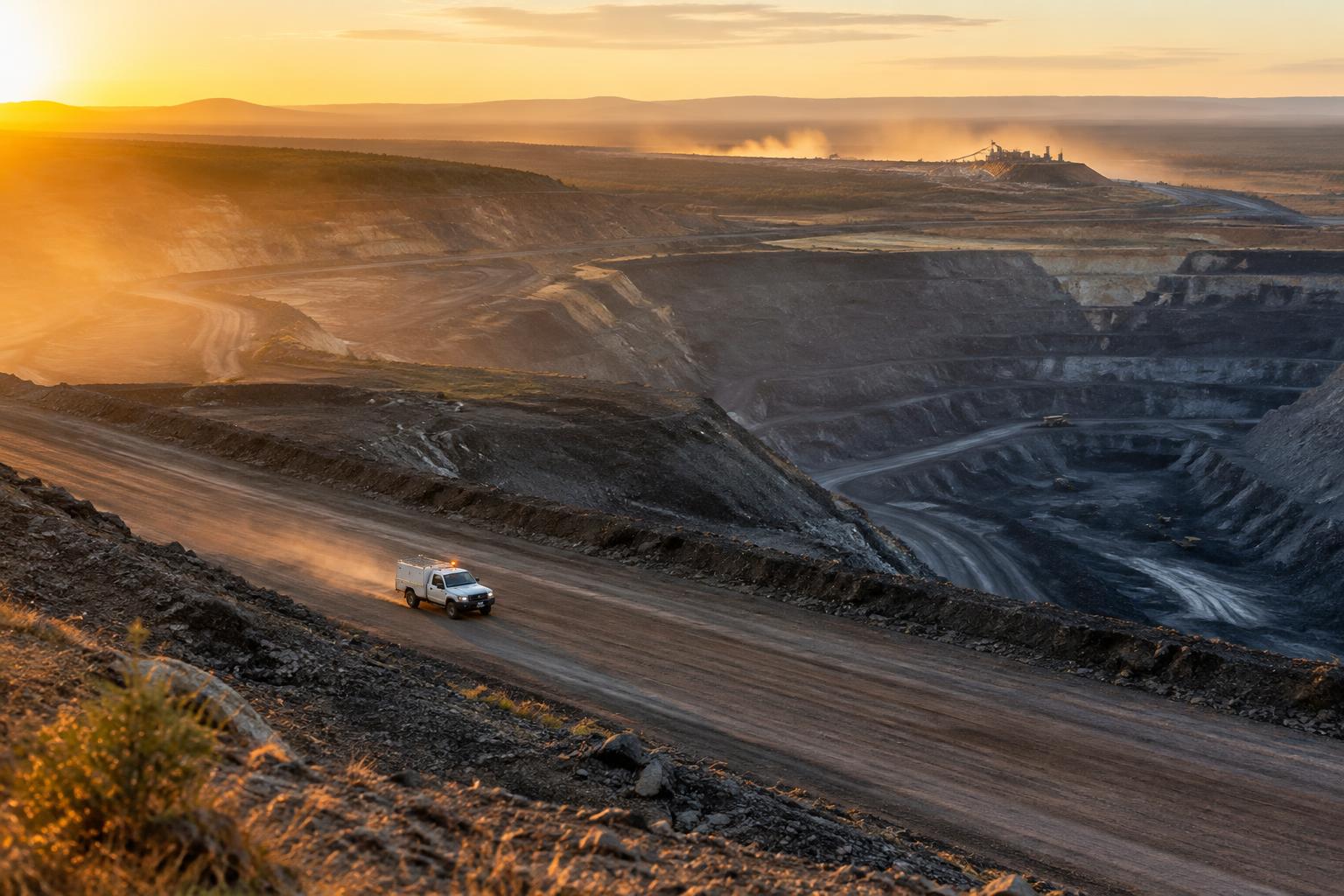
Working out how to schedule field crews on one site is fairly straightforward. Scheduling multiple crews across several mine sites is much harder, because every decision affects travel, availability, competencies, equipment and the rest of the workload.
Quick Answer
To schedule field crews across multiple mining sites, start with a complete view of jobs, site requirements, crew availability and competencies. Group work geographically where possible, assign crews based on capability and workload, allow for travel and shift constraints, and keep the schedule flexible enough to respond to breakdowns and changing priorities.
Why is field crew scheduling harder across multiple mining sites?
Each mine site brings its own access rules, inductions, distances and priorities, so a change on one site affects crews everywhere. The usual pressure points are:
- Crews spread across different pits and sites
- Long drives between sites
- Limited site access windows and gate times
- Different inductions for each site
- Different competency requirements by client
- Roster and fatigue restrictions
- Production priorities that change mid-shift
- Emergency breakdowns
- Equipment travelling separately from labour
- Field work overlapping workshop commitments
- Jobs running longer than estimated
- Supervisors working from different versions of the schedule
What information do you need before scheduling crews?
Collect these eleven pieces of information for each job before any crew is committed.
| Information | Question to answer |
|---|---|
| Job location | Which mine site, pit or work area? |
| Job priority | Planned work, urgent maintenance or a breakdown? |
| Crew requirements | How many people are needed? |
| Skills and competencies | Which licences, tickets, experience or site competencies? |
| Site access | Does each person hold the induction and access for that site? |
| Shift and roster | Does the work fit inside the crew's roster and shift? |
| Travel time | How long to reach site, including gate and pre-start? |
| Expected duration | How long is the work likely to take? |
| Equipment | Which vehicles, tools or assets are required? |
| Dependencies | Does another task or team need to finish first? |
| Upcoming work | What is the crew scheduled to do next? |
How to schedule field crews across multiple mining sites
Work through these six steps in order each planning cycle, then revisit steps 3 to 6 whenever something changes.
Step 1: Build one view of all planned and open work
Before committing any crew, the scheduler needs to see everything that needs doing across every site, in one place.
- Scheduled jobs
- Unassigned jobs
- Planned maintenance
- Breakdowns
- Workshop work
- Inspections
- Recurring work
Step 2: Group work by site and geography
Cluster jobs so a crew can stay productive on one site, or move between nearby sites, instead of crossing the region twice a day. Geography is a tiebreaker; it should never override competency or genuine urgency.
- Same-site jobs
- Nearby sites
- Return visits
- Follow-on work
Step 3: Check crew availability and rosters
A crew can be technically available and still be a poor choice. A crew on day 7 of an 8/6 swing who finishes at 5pm and is three hours away is not the right pick for a job tomorrow morning at a different site.
- Current jobs
- Rostered hours
- Shift start and finish
- Leave
- Overtime
- Travel
- Fatigue
- Upcoming commitments
Step 4: Match competencies and site access
Check every person on the crew, not just the leading hand. For example, a fitter who holds the general mine induction may still need that client's site-specific induction, a confined space ticket and a current medical before they can start a pump changeout.
- Qualifications
- Licences
- Tickets
- Site inductions
- Client requirements
- Specialist experience
Step 5: Schedule high-priority and constrained work first
Lock in the jobs with the least flexibility, then fit the flexible work around them.
- Shutdown windows
- Production impact
- Safety issues
- Compliance deadlines
- Access windows
- Customer commitments
Step 6: Account for travel and mobilisation
Travel is part of the schedule, not invisible time between jobs. Block it out so the next job's start time is real.
- Drive time
- Site entry
- Pre-starts
- Mobilisation
- Equipment collection
- Demobilisation
For roster patterns and swing dates, see the FIFO roster calculator and rostering mining trade workers. To keep inductions and tickets visible by person, use a training matrix.
How should travel time be factored into crew schedules?
Treat travel as scheduled work with its own time block, not as a gap between jobs. In practice:
- Schedule realistic travel buffers, including gate and sign-in time.
- Avoid back-to-back jobs at distant sites.
- Group work geographically so crews stay in one area.
- Look at where the crew finishes one job before scheduling the next.
- Allow for site access delays such as escorts and pre-starts.
- Include equipment pick-up and mobilisation time.
How do you schedule crews when site priorities change?
Multi-site schedules change daily. Common triggers include equipment breakdowns, jobs running over, weather, access delays, absences, failed equipment, production changes and urgent client requests. When one hits, follow the same response every time:
- Reassess job priority.
- Identify which crews are affected.
- Work out what can move.
- Reassign the work.
- Update the schedule.
- Communicate the changes immediately.
Example: scheduling three crews across three mine sites
This fictional example shows the reasoning, not a universal answer. Different site rules or client commitments could change it.
| Crew | Skills | Location | Availability |
|---|---|---|---|
| Crew A | Mechanical | Site North | Shift ends 5pm |
| Crew B | Electrical | Near Site Central | Available from 10am |
| Crew C | Mixed maintenance | Workshop | Available now |
1. Urgent breakdown, Site North
Crew AAlready on site with mechanical skills. Pause their current planned task and start immediately.
5. Follow-up job, Site North
Crew ASame site, so Crew A picks it up after the breakdown if time allows before 5pm. Otherwise it moves to their next shift.
2. Planned inspection, Site Central
Crew BElectrical inspection near their base. Scheduled from 10am with travel blocked in.
3. Maintenance, Site South
Crew CNobody is near Site South, and Crew C is free now. They mobilise with equipment from the workshop.
4. Workshop repair
Crew C (later) or next dayNot urgent. Waits until Crew C returns or is scheduled for a workshop shift.
The breakdown and follow-up were grouped at Site North, Crew B stayed near its base, and Crew C covered the site nobody else was close to. The workshop repair, the most flexible job, absorbed the slack.
How do you balance planned maintenance and urgent breakdown work?
Leave deliberate flexibility in the schedule, and know in advance which planned jobs can move without causing bigger problems later.
- Keep some flexibility. A schedule booked to 100% has nowhere to put a breakdown.
- Identify movable jobs when you build the schedule, not when the phone rings.
- Protect critical planned work such as shutdown tasks and compliance inspections.
- Avoid overbooking every crew so at least one can respond.
- Understand the knock-on effect of pushing preventive maintenance, which often creates the next breakdown.
For the planning side, see how to create a maintenance schedule for mining equipment.
How do you avoid overloading the same crews?
The most experienced or nearest crew gets called first, every time, until they are on overtime and everyone else is idle. Measure workload by effort, not job count, using:
- Total scheduled hours
- Travel time
- Job complexity
- Overtime
- Job count
- Upcoming commitments
- Demand for specialist skills
How should field and workshop schedules work together?
Field and workshop schedules depend on each other, so they should be planned from the same information. Typical links include:
- Field crews bringing components back for repair.
- Workshop capacity deciding when a site job can be completed.
- Parts delays pushing out site work.
- Workshop staff heading out to support a field job.
- The same specialist being needed in both places on the same day.
See workshop management for how SprintSuite keeps workshop jobs alongside field work.
What are common field crew scheduling mistakes?
- Ignoring travel time
- Scheduling on availability alone
- Not checking site competencies and inductions
- Overloading key employees
- Forgetting the equipment
- Scheduling every hour with no buffer
- Relying on outdated spreadsheets
- Not updating crews after changes
- Planning field and workshop work separately
- Not reviewing downstream jobs after an urgent change
When does multi-site scheduling become too complex for spreadsheets?
You may need a more centralised scheduling system when:
- Several crews are active at once
- Work is spread across multiple mine sites
- Priorities change frequently
- Competencies affect who can go
- Equipment must move with crews
- Schedulers are constantly calling employees
- Multiple people edit the schedule
- Field and office regularly have different information
- Urgent work causes repeated reshuffling
See how SprintSuite handles planning and scheduling across rosters and sites.
How does crew scheduling relate to job allocation?
Scheduling answers when the work will happen. Crew allocation answers who will complete it. On multi-site mining work, location, rosters and access constraints shape both. For the allocation side, read how to allocate jobs across multiple crews and sites or what job allocation software is.
How SprintSuite helps mining contractors coordinate field crews
SprintSuite gives contractors one connected view of jobs, schedules and crews. Jobs live in job management, crews are planned against rosters and sites in planning and scheduling, and field teams see their work on the mobile app. Workshop jobs sit in the same system through workshop management.
Time recorded against jobs flows into timesheets and payroll, costs build up against each job, and completed work can be invoiced through quoting and invoicing. See the whole platform on the mining contractor software page.
Plan work, coordinate crews and keep field operations visible across every site.
See it with your own sites, crews and rosters in a 30-minute walkthrough.
Scheduling field crews across mine sites: FAQs
The crew and site scenario is a fictional example. Roster, fatigue and site access rules depend on the applicable award, enterprise agreement and site procedures.