Quick Answer
World Environment Day 2026 is on Friday, 5 June 2026. Hosted globally by Azerbaijan, the 2026 campaign focuses on climate change — a timely reminder for WA mining contractors that environmental responsibility starts with what happens on the ground every day.
What is World Environment Day?
World Environment Day is a global day of action led by the United Nations Environment Programme. It encourages governments, businesses, communities and individuals to take practical action for the environment. The United Nations describes it as a day that inspires people to take action to prevent growing strain on the planet's natural systems.
Each year focuses on a major environmental issue. In 2026, the focus on climate change is especially relevant to industries that work across land, infrastructure, natural resources and regional communities — including mining and heavy industry contractors.
Why are quokkas part of the conversation?
Quokkas are one of Western Australia's most recognisable animals, especially on Wadjemup / Rottnest Island, where they have become a symbol of WA wildlife and tourism. Rottnest Island describes the quokka, or kwoka in Noongar, as an icon of the island.
But quokkas are more than a cute selfie moment. According to WWF Australia, quokkas are now restricted to small, scattered populations on the mainland, as well as Rottnest Island and Bald Island near Albany. Their decline has been linked to habitat loss and degradation, and predation by foxes and feral cats.
What do quokkas have to do with mining contractors?
At first glance, quokkas and mining contractors might seem like two completely different worlds. But the connection is simple: environmental protection depends on what happens on the ground.
What "on the ground" means for contractors
- Following environmental management plans
- Reducing unnecessary disturbance
- Managing waste, materials and site resources properly
- Preventing spills and contamination
- Recording hazards, incidents and environmental risks
- Tracking maintenance to reduce leaks and avoidable equipment failures
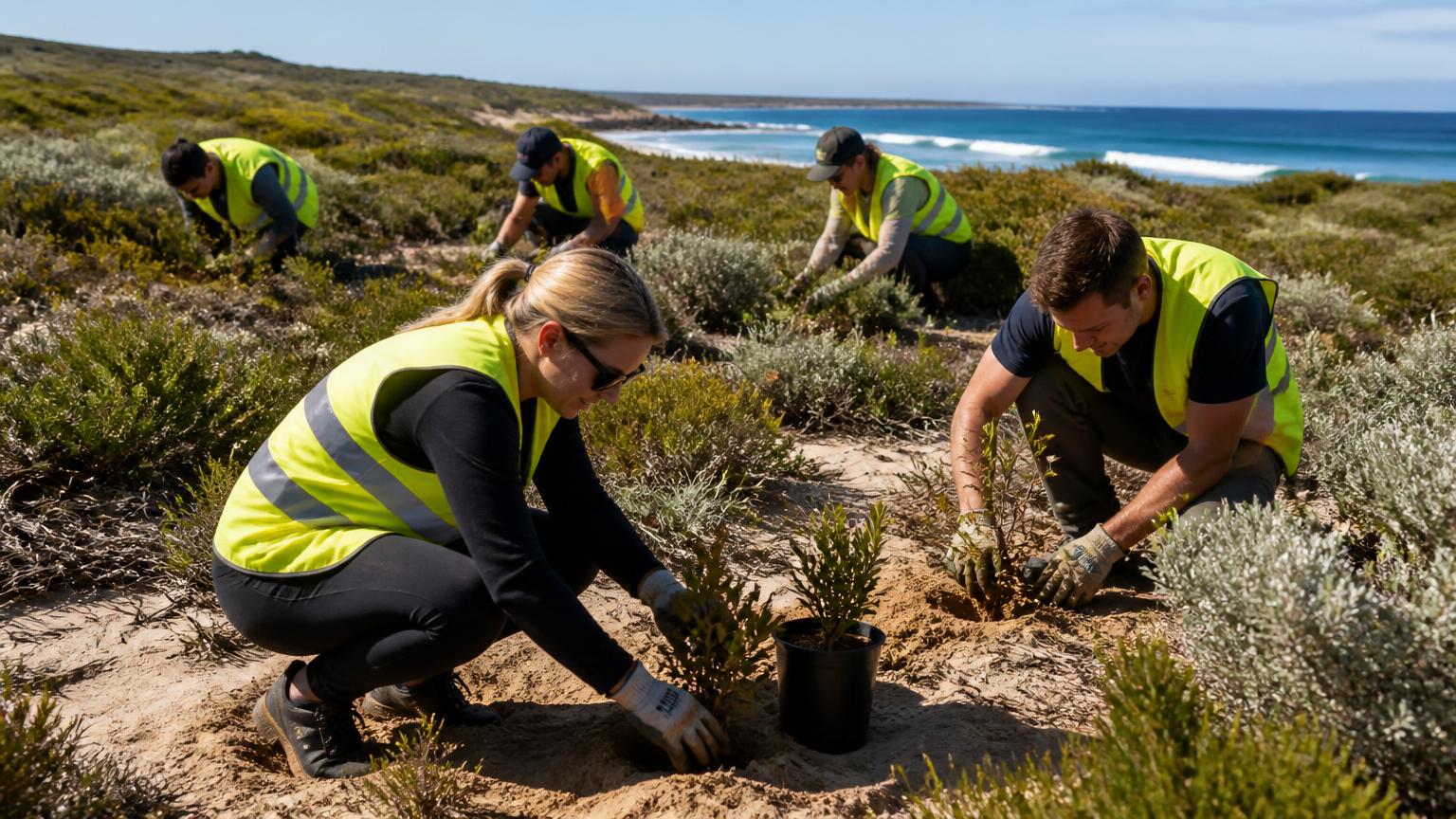
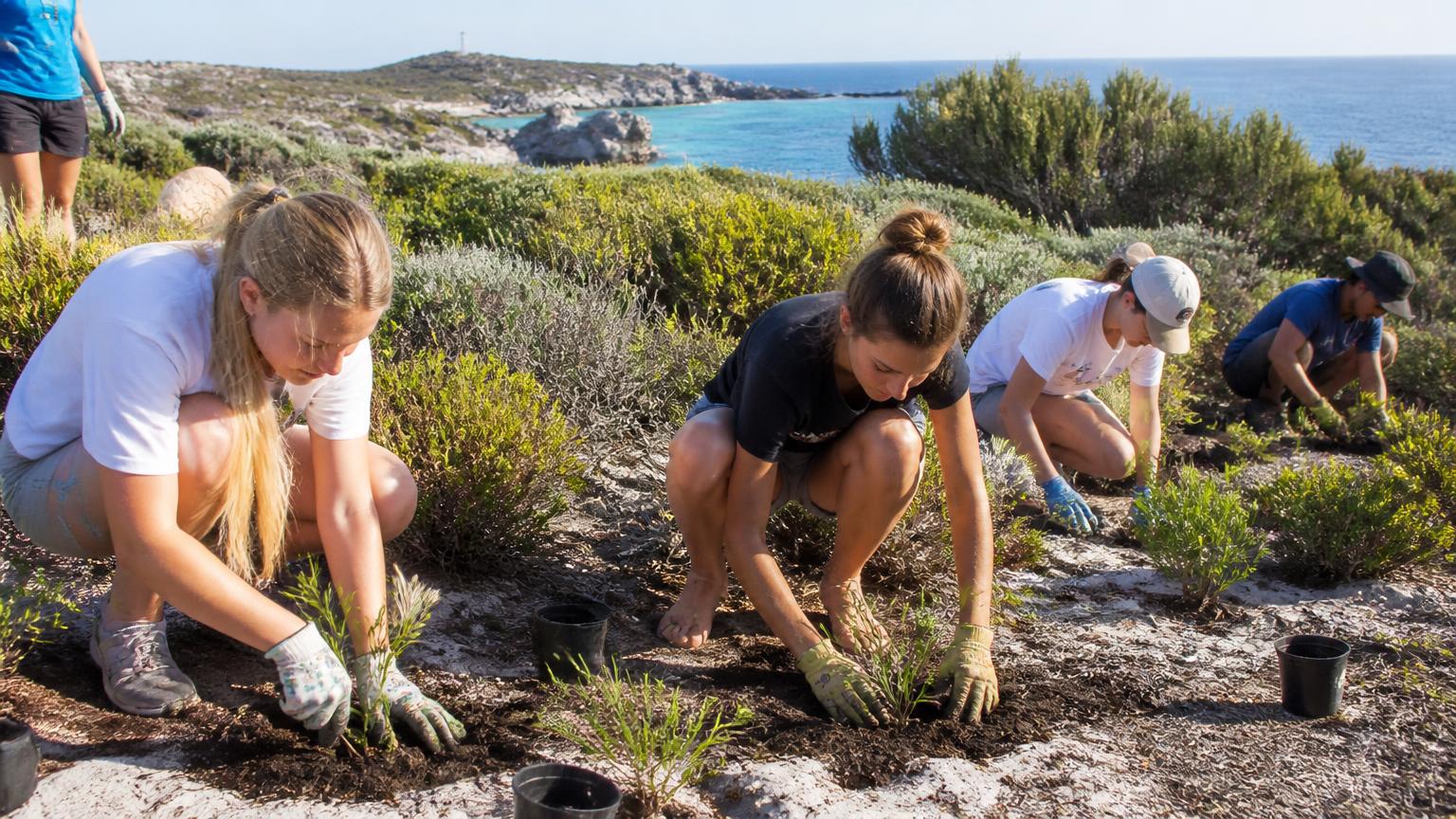
- Supporting rehabilitation and closure requirements
- Keeping teams trained, compliant and accountable
- Reporting issues early, clearly and accurately
In Western Australia, mine rehabilitation and closure are major environmental issues. The WA Environmental Protection Authority has identified rehabilitation of WA's unique flora and vegetation following large-scale mining as an enduring concern. WA mining operators also contribute to the Mining Rehabilitation Fund, a pooled fund that supports rehabilitation of abandoned mine sites.
How can mining contractors support better environmental outcomes?
1. Keep environmental records accurate
Good environmental outcomes rely on good information. If incidents, hazards, maintenance issues or compliance actions are not recorded properly, they are harder to manage. Contractors need simple systems that make it easy for field teams to capture information while the work is happening — not days later from memory.
2. Reduce double handling and missed information
A photo of a spill in one chat, a maintenance note in another spreadsheet, and a follow-up task sitting in someone's inbox is not a reliable system. Clear workflows help the right people see the right information at the right time — something workforce communication software is built to solve.
3. Maintain equipment properly
Well-maintained equipment is not just better for productivity — it reduces environmental risk. Preventative maintenance, vehicle checks, plant records and asset compliance tracking can reduce leaks, breakdowns, fuel waste and avoidable site disruption.
4. Train teams on environmental expectations
Environmental responsibility is not only the HSE manager's job. Field workers, supervisors, workshop staff and admin teams all need to know how to report hazards and follow site rules. A training matrix makes those expectations visible and accountable.
5. Support rehabilitation and site close-out
Rehabilitation is not just something that happens at the end of a project. Better records during the life of a job — photos, task records, maintenance history, approvals and site activity logs — make close-out, reporting and compliance much easier.
Why environmental responsibility is good business
For contractors in mining, environmental performance is closely connected to trust. Larger operators and Tier 1 contractors expect strong systems, clear reporting and reliable processes.
Environmental responsibility supports:
- Stronger client relationships
- Better tender readiness
- Fewer compliance gaps
- Reduced admin pressure
- Faster issue resolution
- Improved site visibility
- Safer, more accountable teams
What can we learn from the quokka?
The quokka is a small animal with a big message. WA's environment is unique, valuable and worth protecting — and environmental care is built through many smaller actions: better awareness, better systems, better reporting, better maintenance and better decisions.
Are our systems helping us protect the environment — or are they making it harder to see what is really happening on site?
How SprintSuite supports contractors with better operational visibility
SprintSuite helps mining, heavy industry and field service contractors bring their operations into one connected system. From job management and asset maintenance to safety and compliance, training and reporting, SprintSuite gives contractors better visibility over the moving parts that matter.
Because protecting the environment starts with knowing what is happening in your operations.
Frequently Asked Questions
Sources
- World Environment Day official site
- UNEP: Azerbaijan to host World Environment Day 2026
- United Nations: World Environment Day
- Rottnest Island: Quokkas
- WWF Australia: Quokka
- WA EPA: Post-mining rehabilitation
- WA Government: Mining Rehabilitation Fund
Better visibility, better outcomes
See how SprintSuite helps WA mining and heavy industry contractors connect jobs, assets, safety and reporting in one system.
Book a demo